
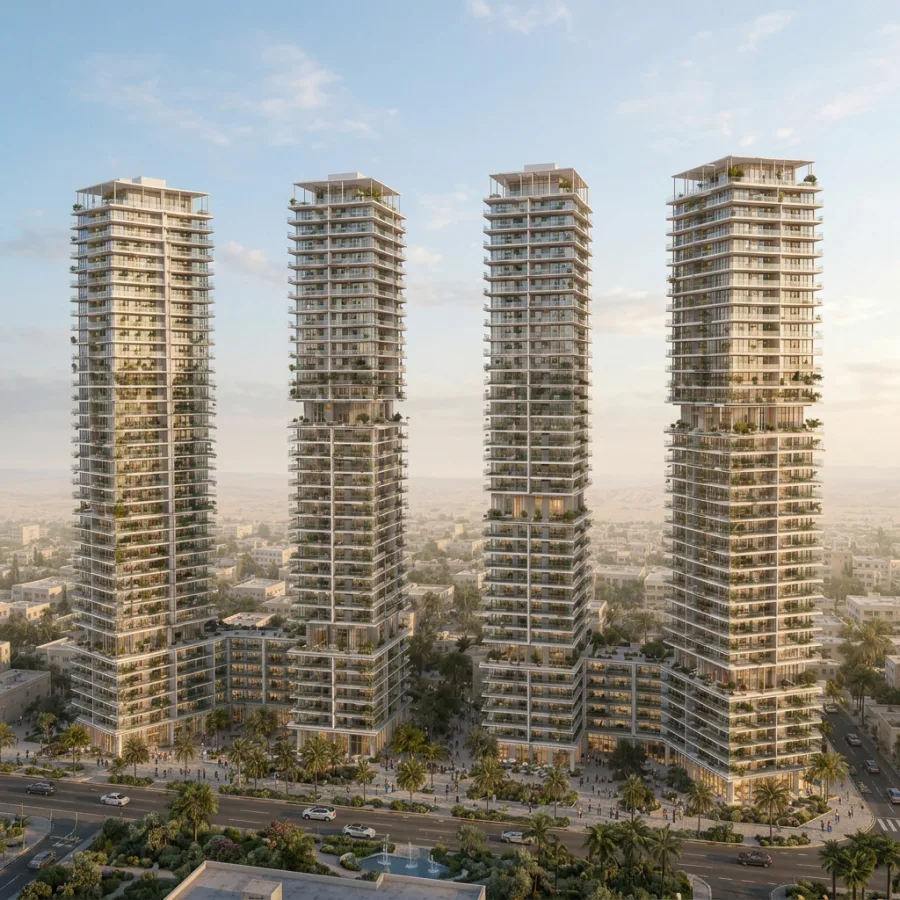
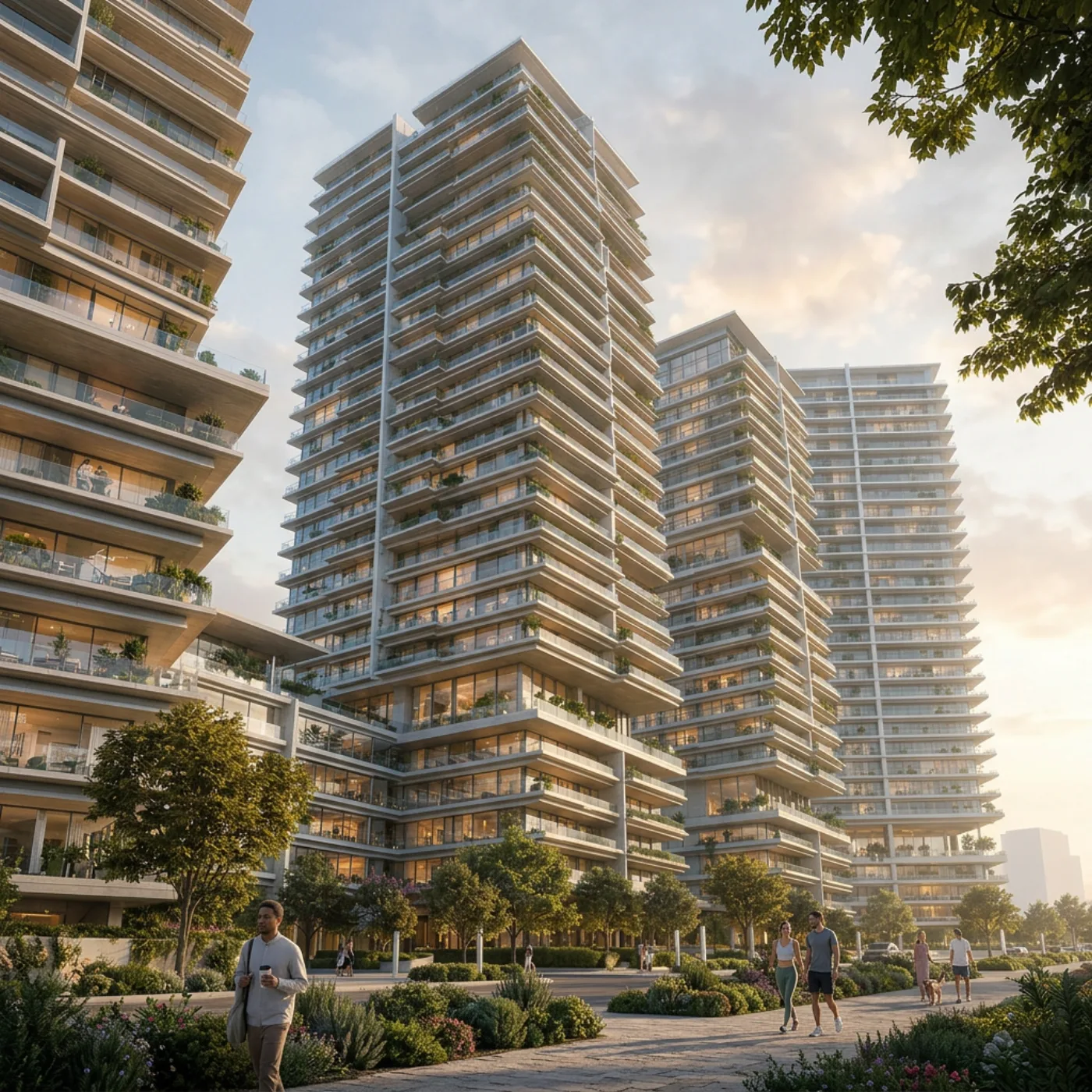
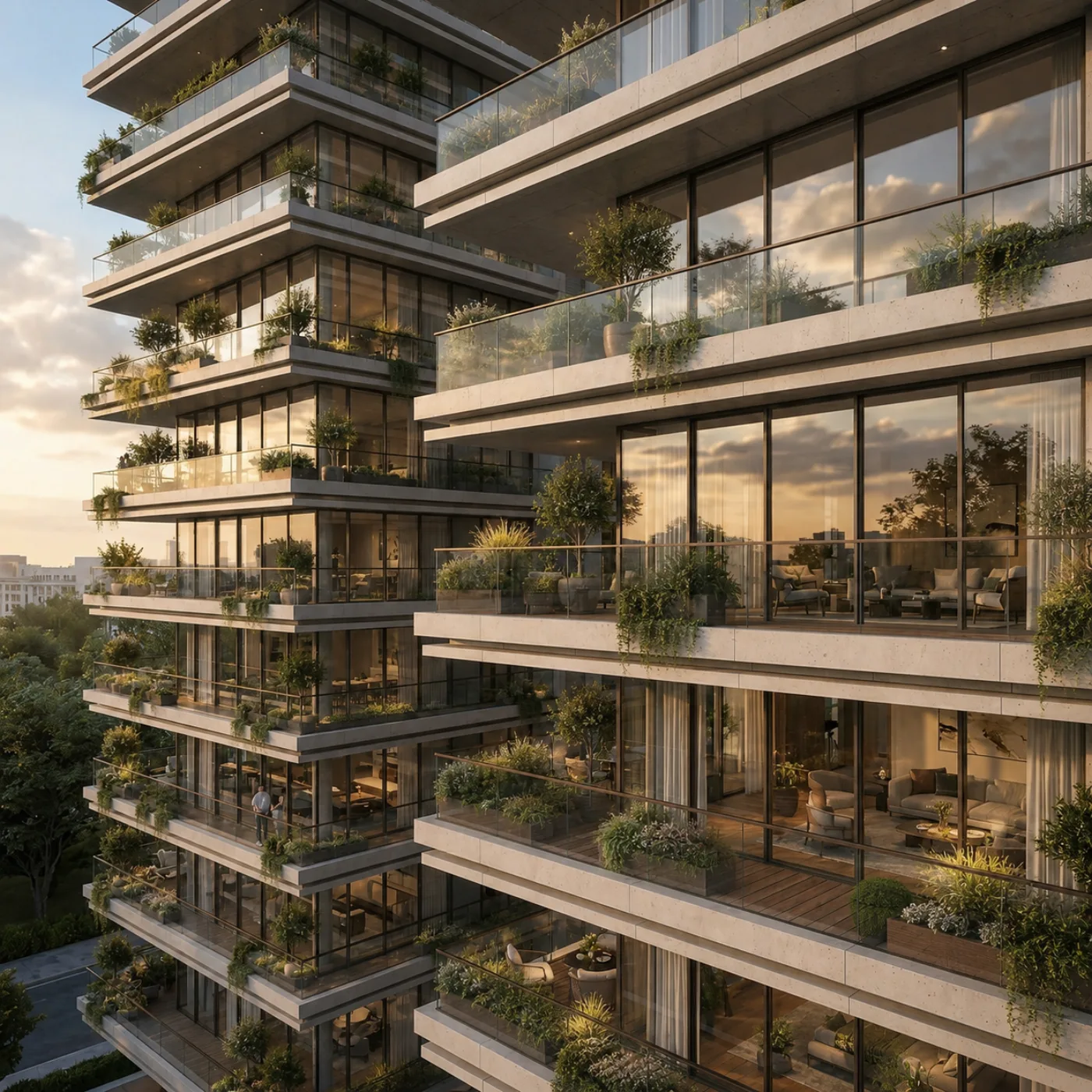
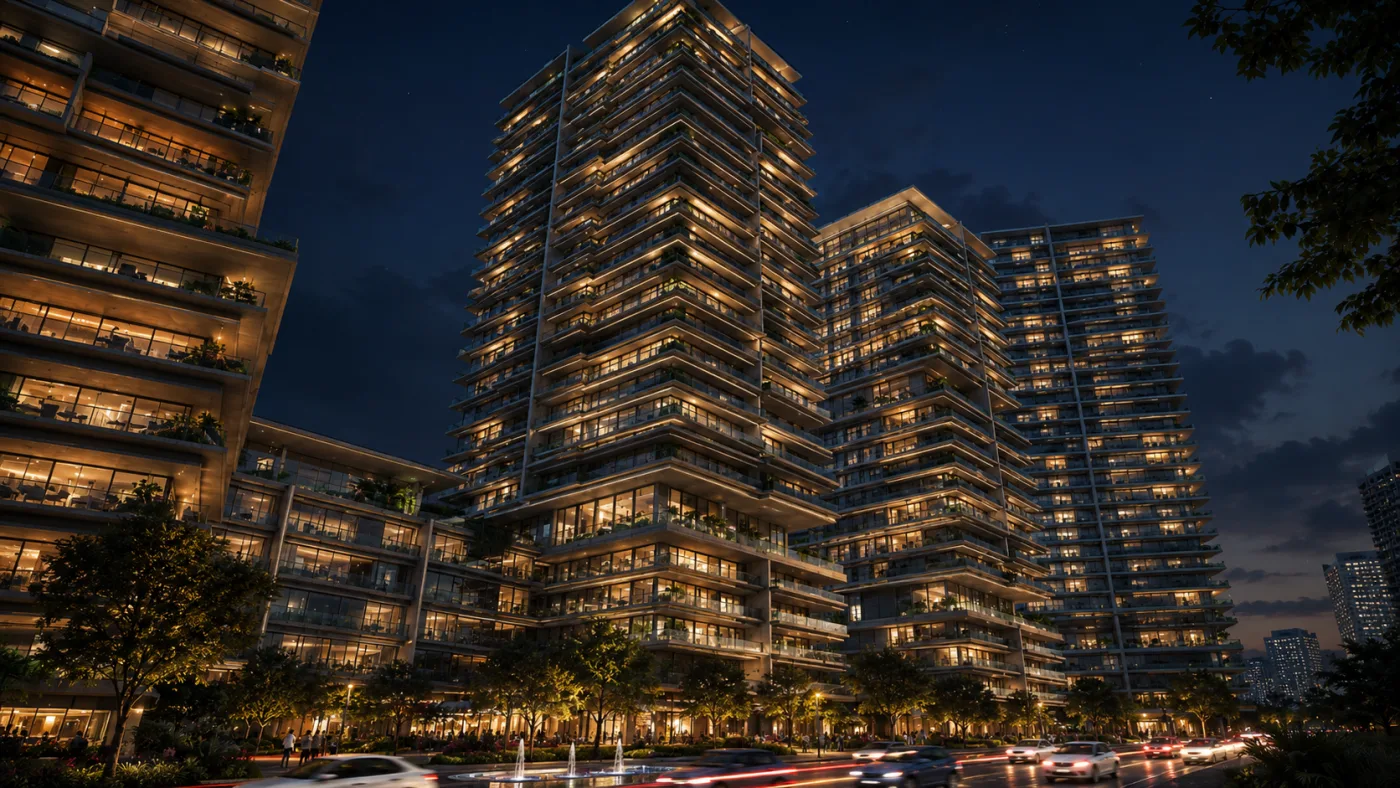
The residential complex on Sderot Rager in Beer Sheva is a new urban landmark designed by SHIKA-NISHA architecture and urban design. Four slender towers with stepped, cascading volumes shape a distinct horizontal line, opening generous planted balconies. Transparent façades and deep horizontal balcony bands act as a climate buffer—providing shade, improving privacy, and emphasizing the building's refined lightness.
At street level, an active podium presents public-facing uses and designed spaces that extend the pedestrian experience and connect the project to the city. Balancing contemporary density with a "vertical garden" atmosphere, the design offers a calm, comfortable residential environment within the vibrant context of southern Israel.
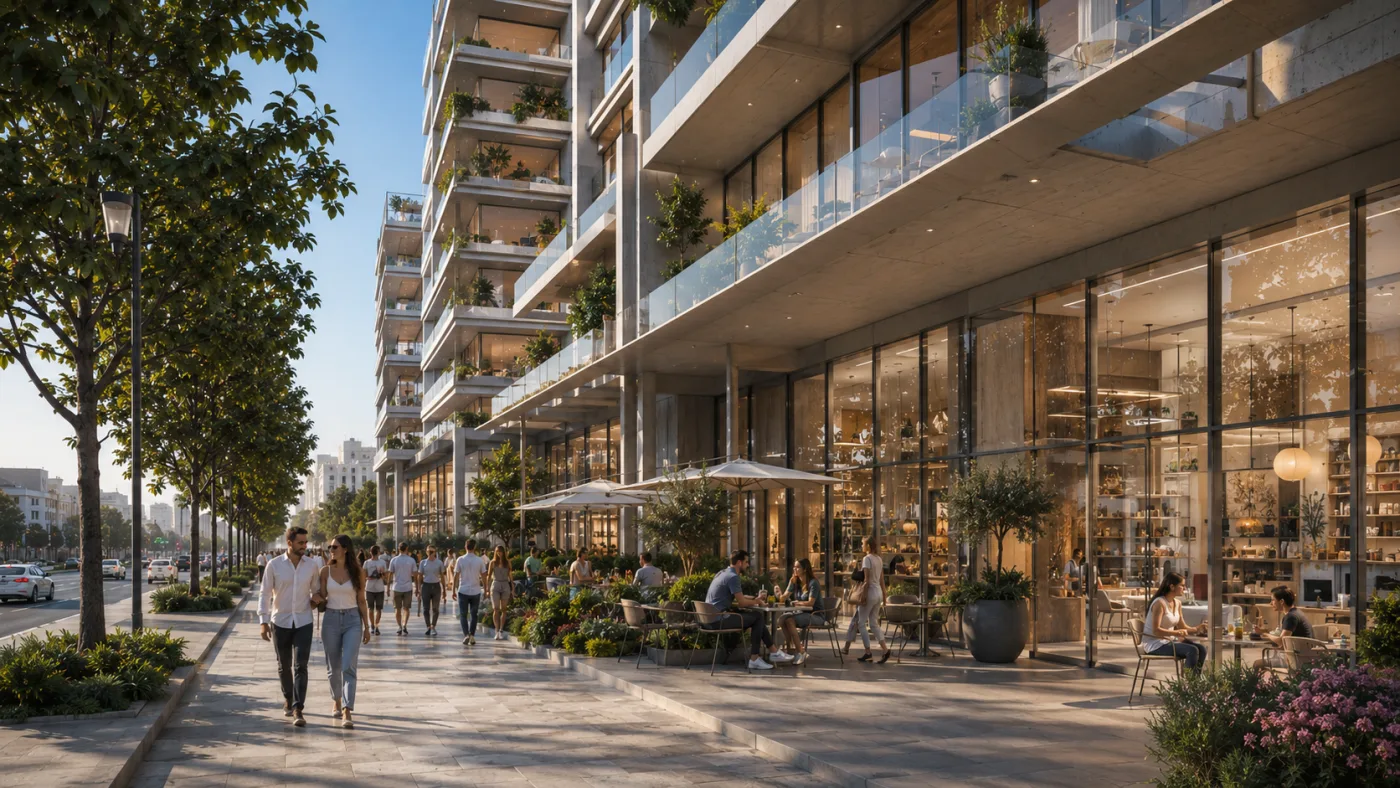
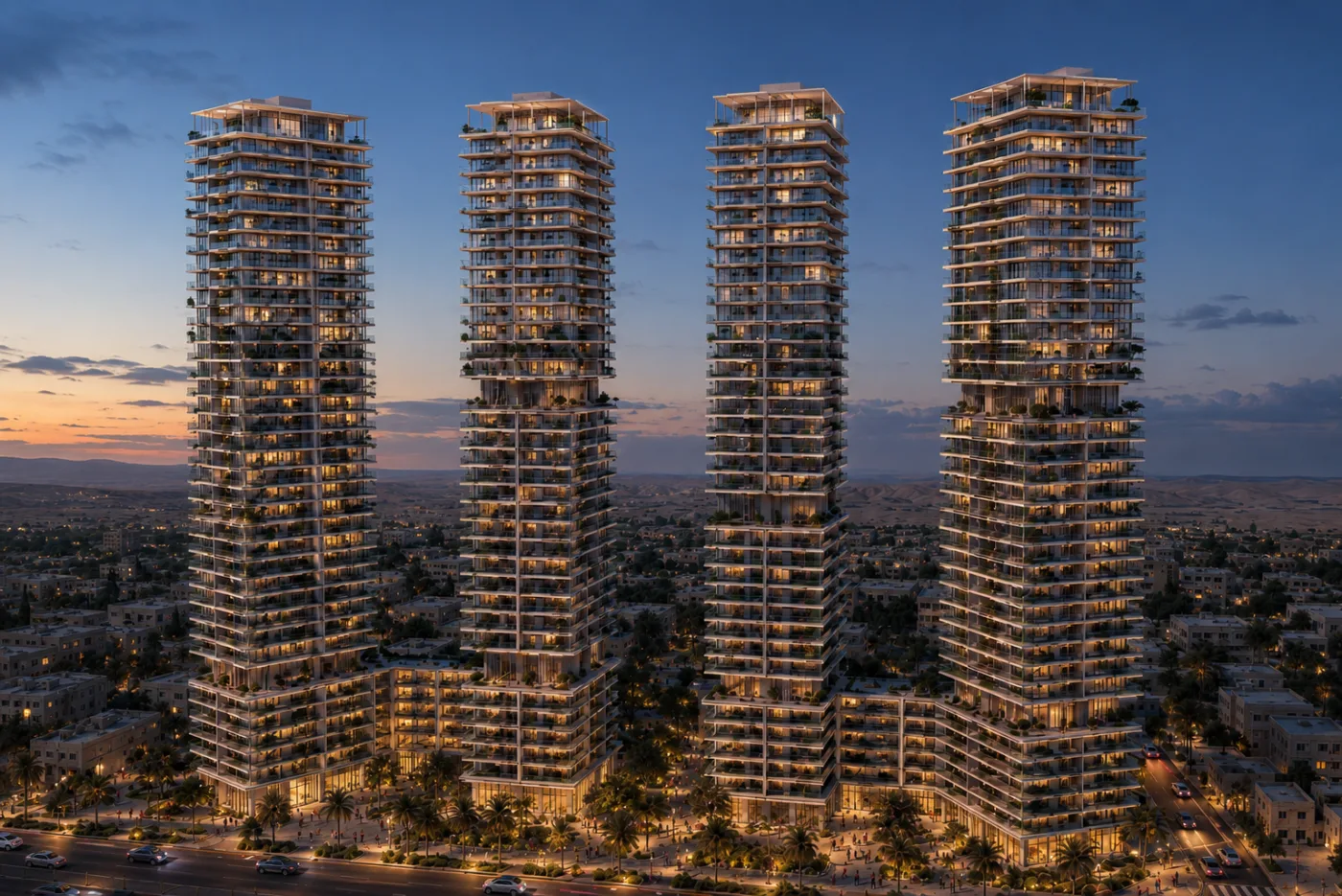
Sderot Rager, Beer Sheva
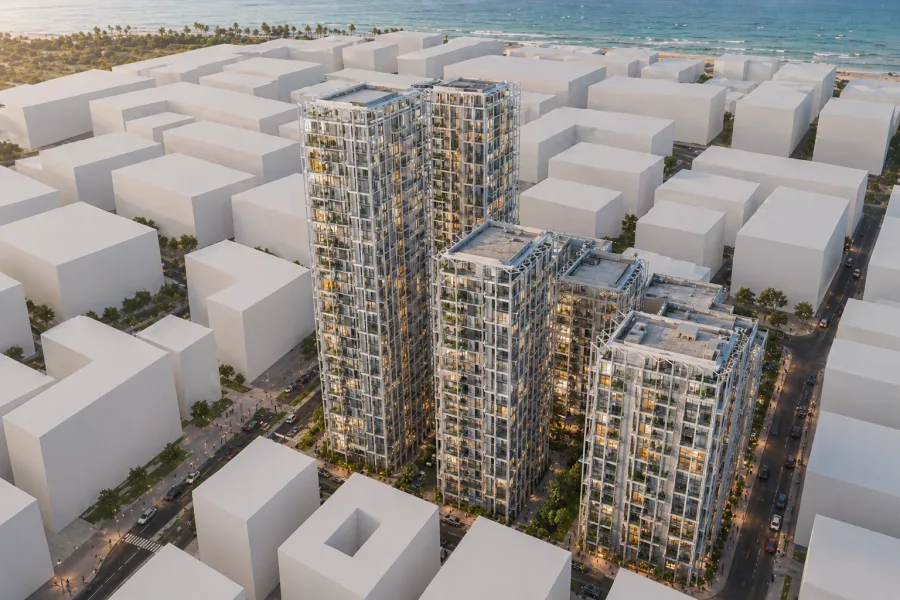
The Yoseftal project in Bat Yam by SHIKA-NISHA architecture and urban design presents a new urban landmark: an assembly of residential towers at varying heights, united into a coherent ensemble and carefully integrated into the existing city fabric. Façades feature light pixel-style articulation—balconies and vertical lines create a dynamic play of light and shadow—while planted balconies and intimate courtyards bring a garden atmosphere to a dense urban setting. At street level, the complex expands the city's public realm with active ground floors, transparent entries, and comfortable pedestrian connections, balancing a contemporary expression with human scale and everyday comfort.
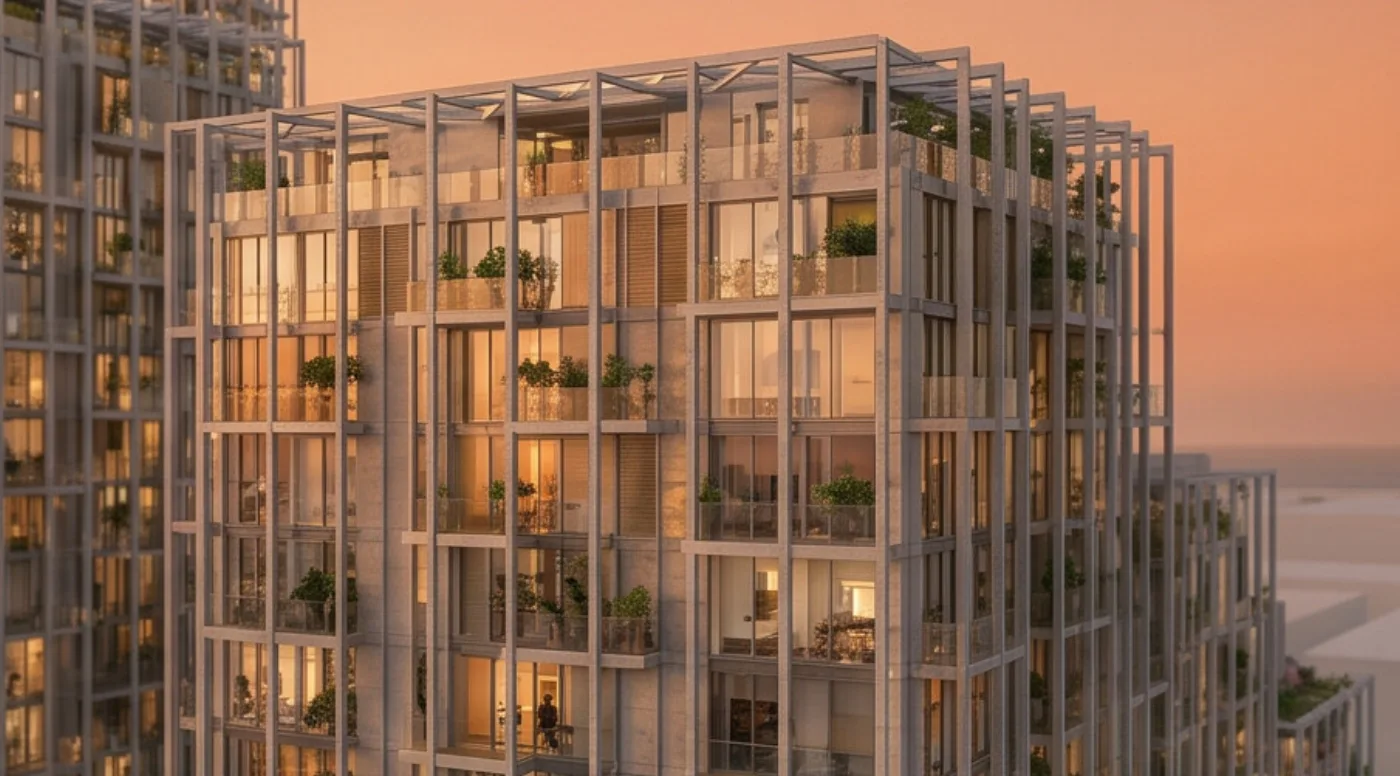
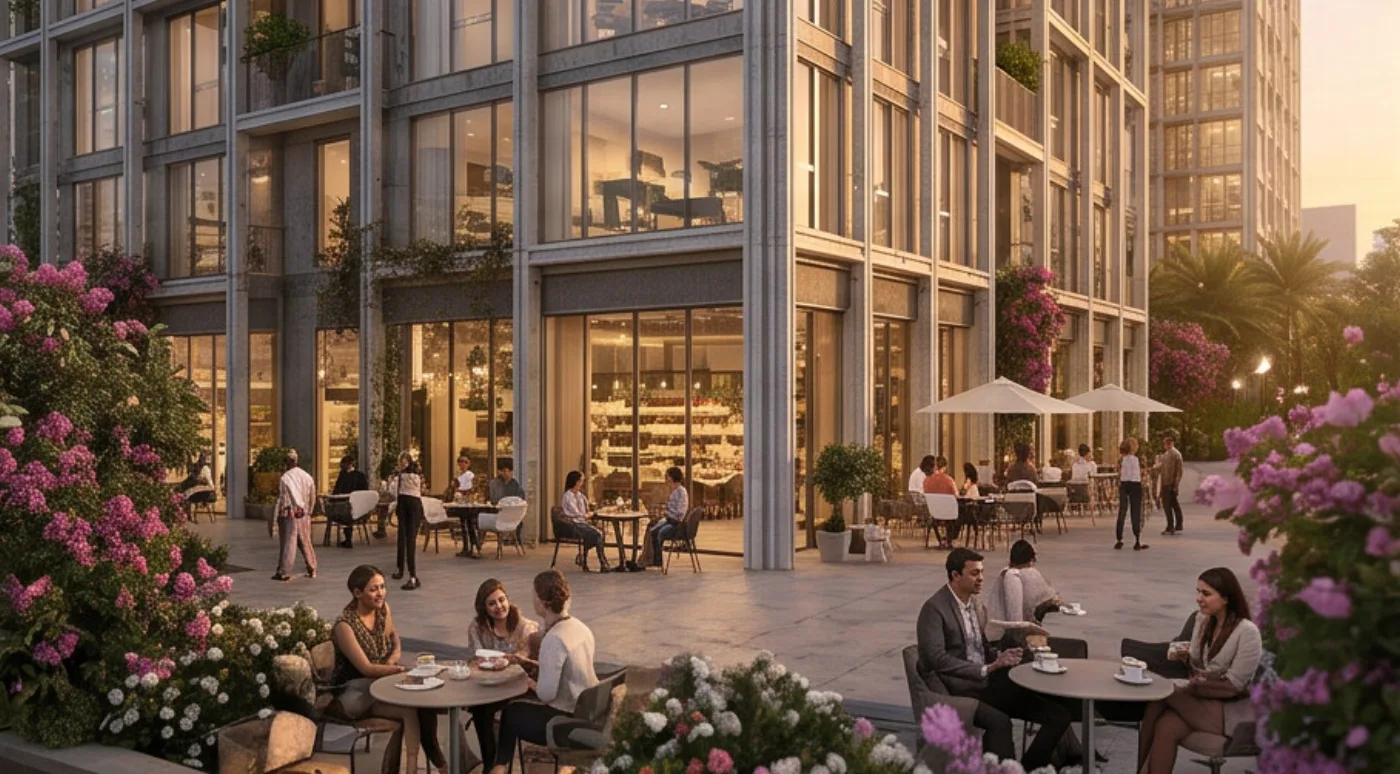
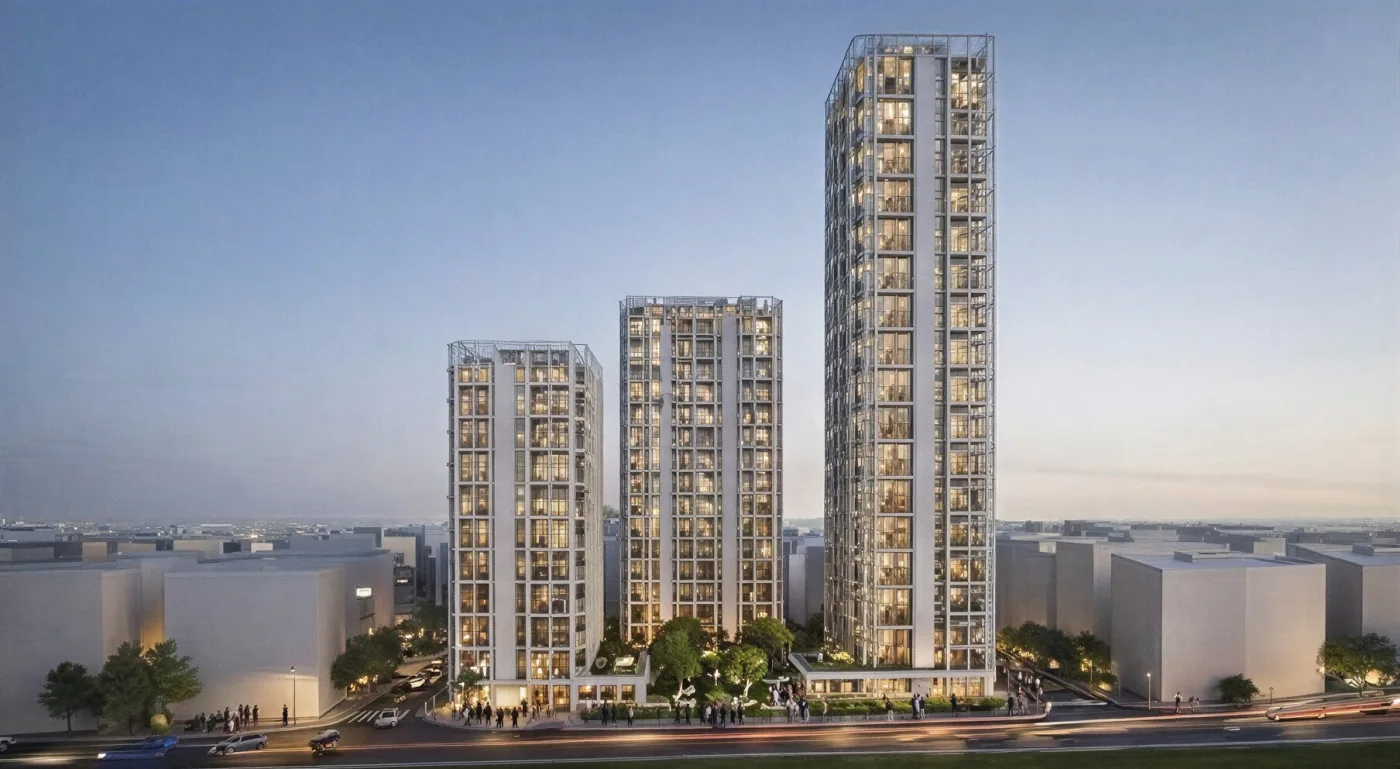
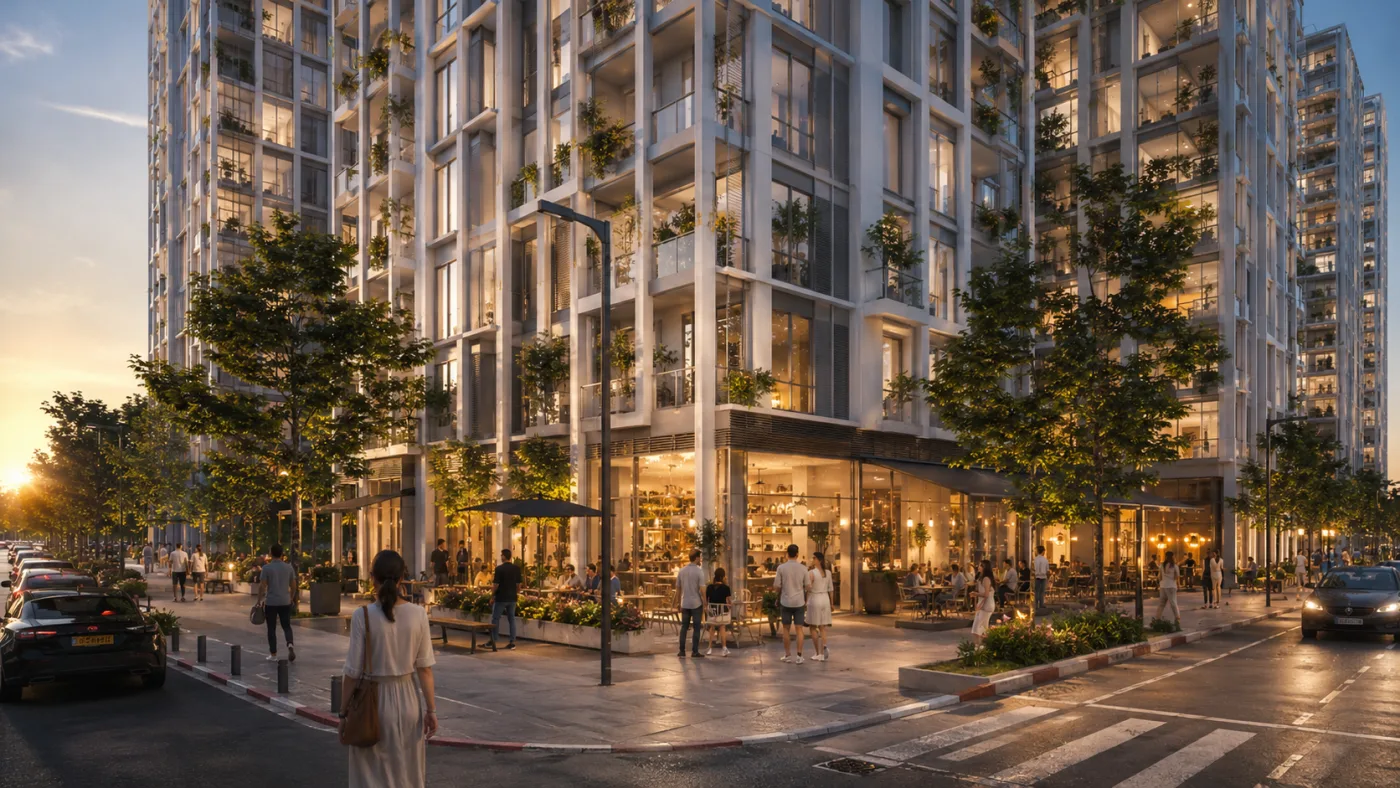
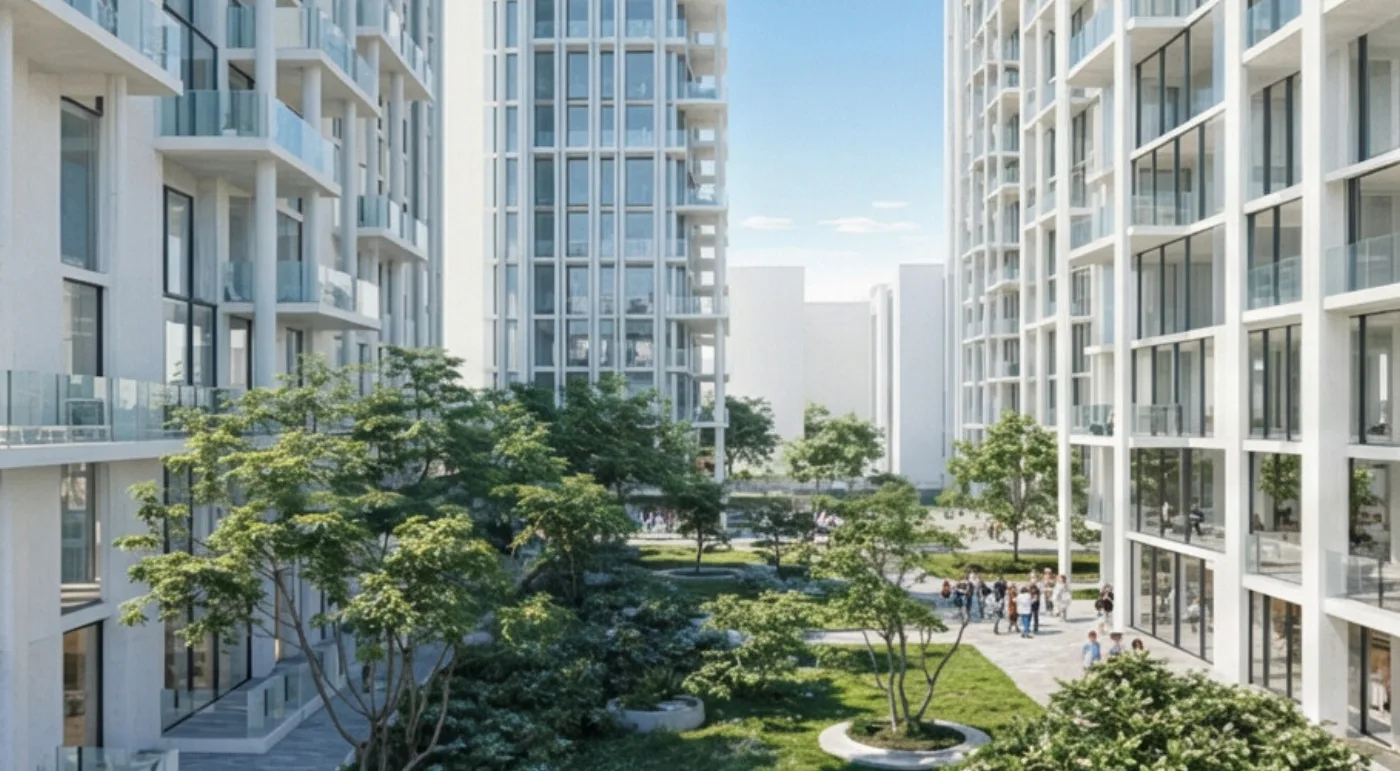
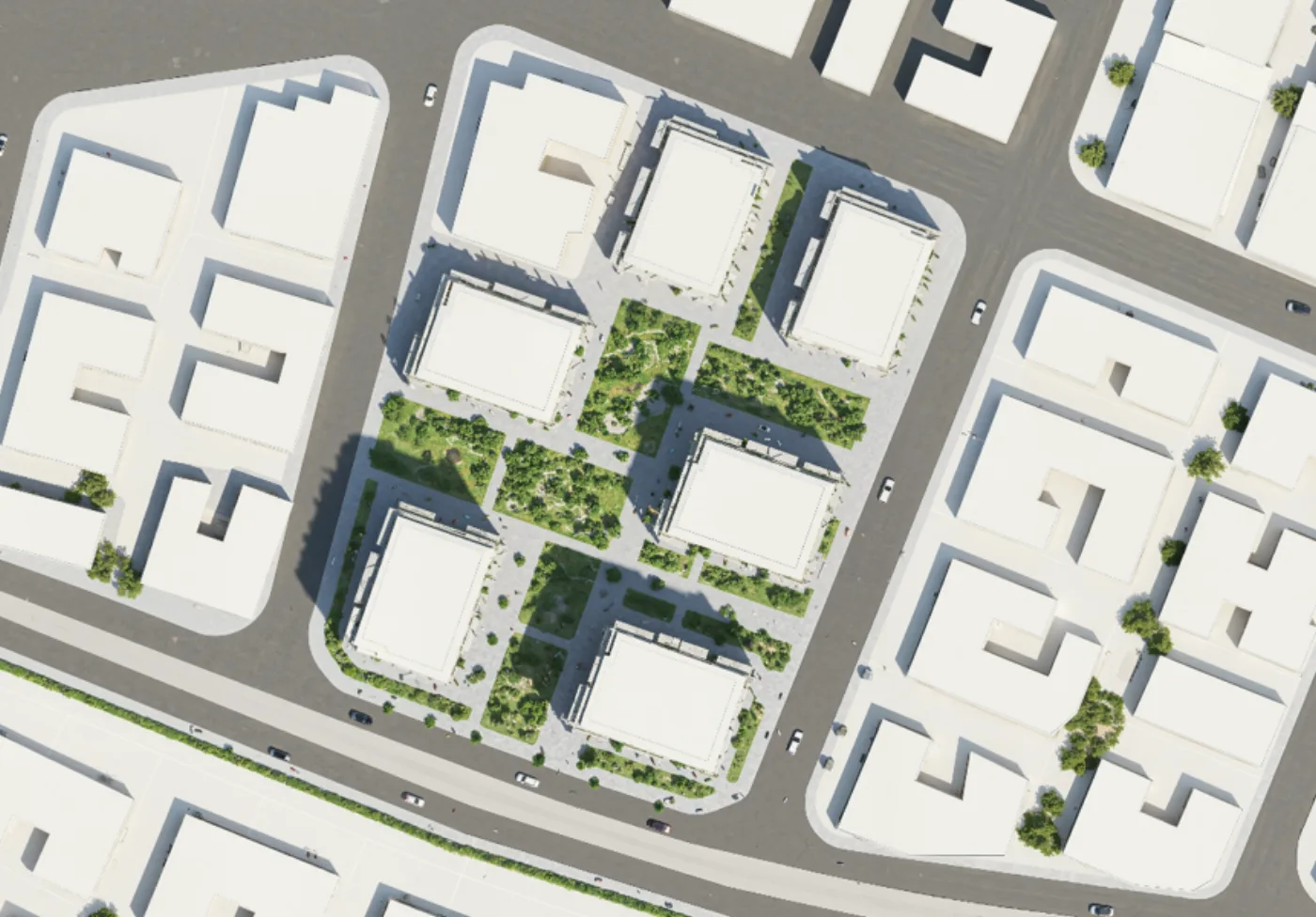
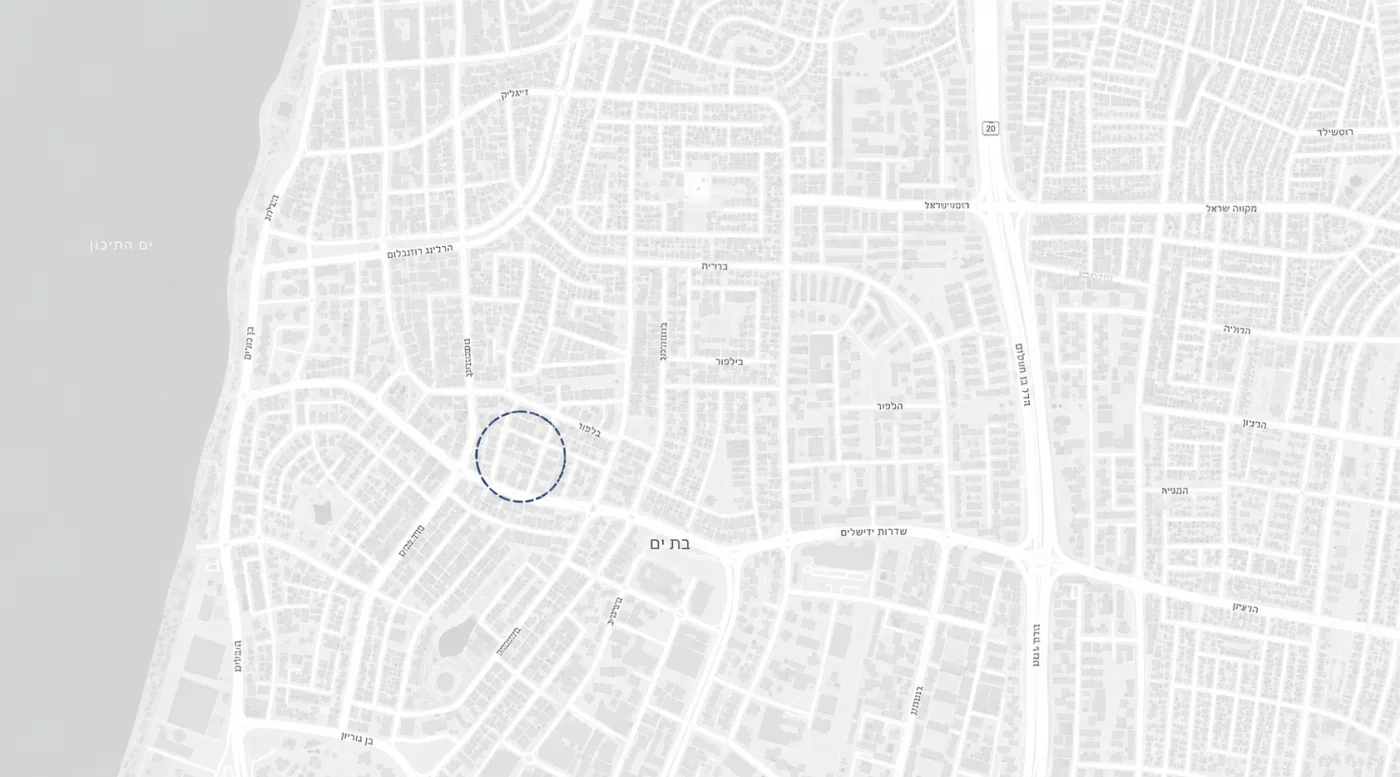
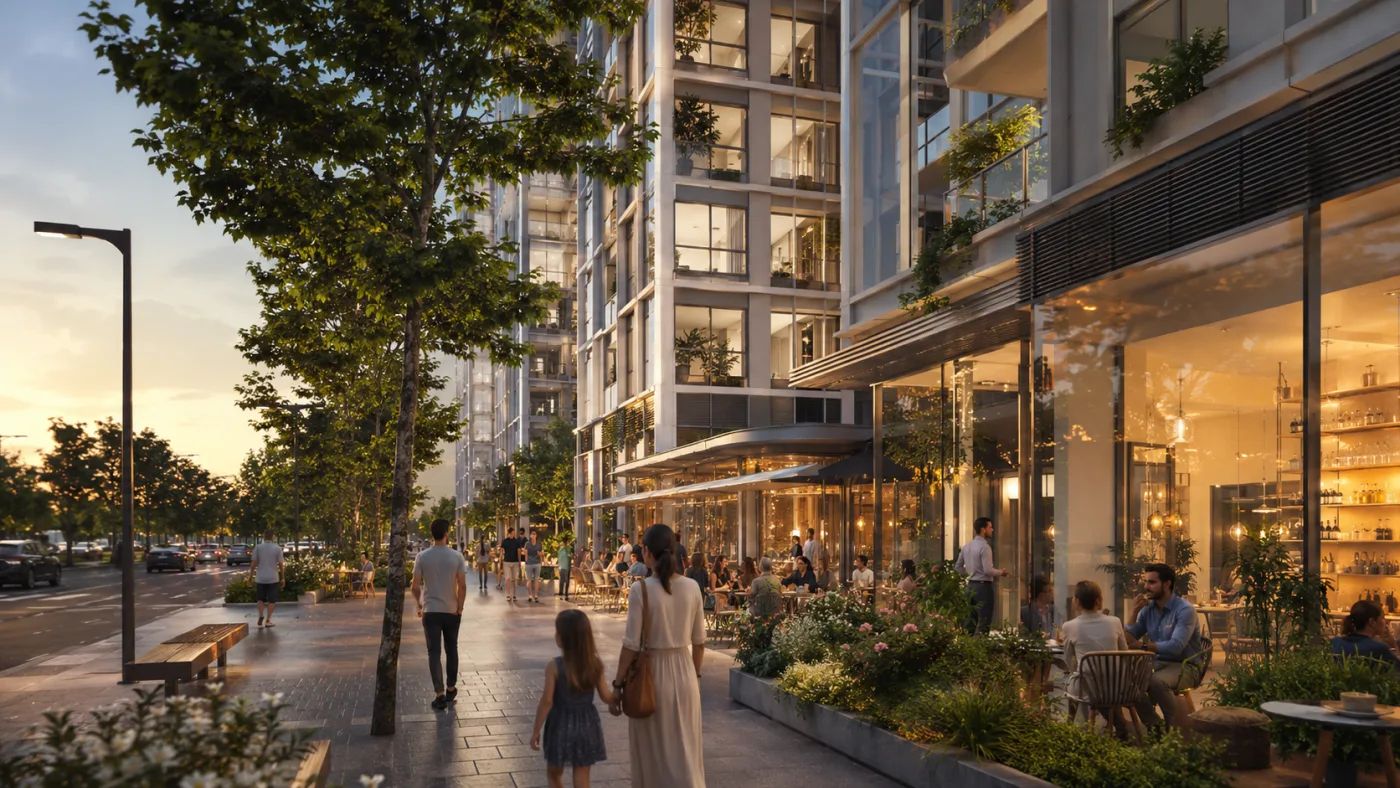
Yoseftal, Bat Yam
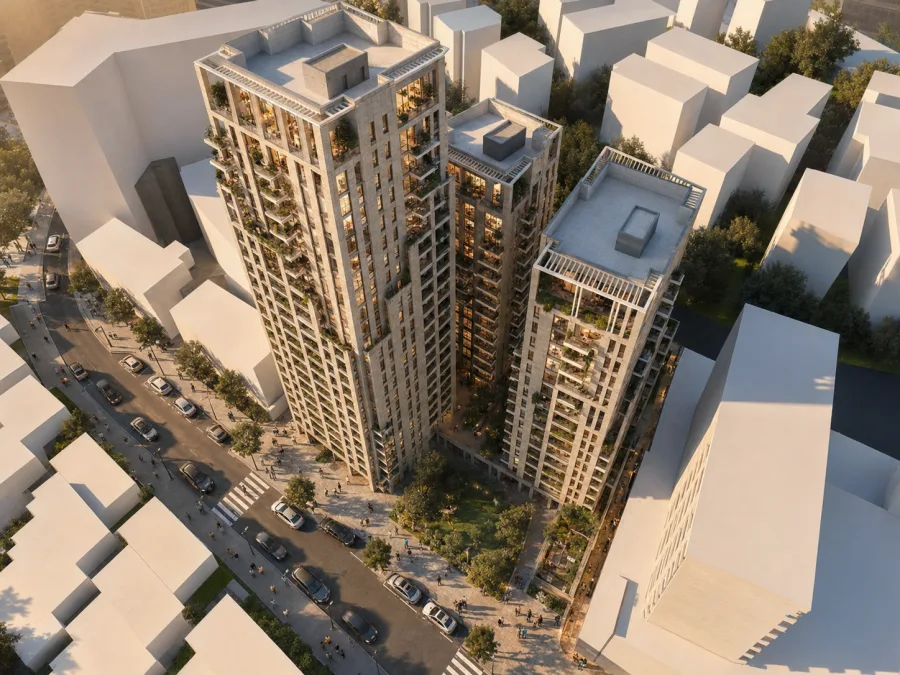
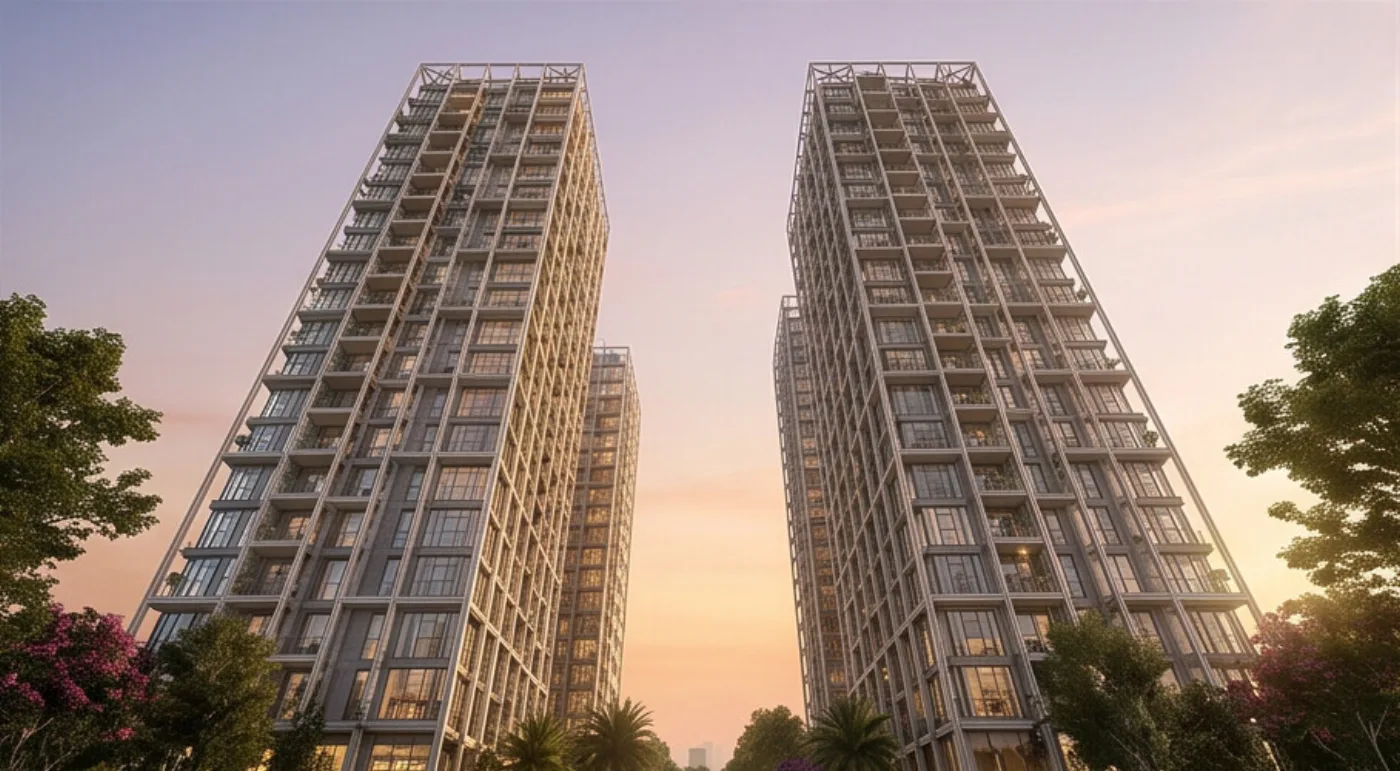
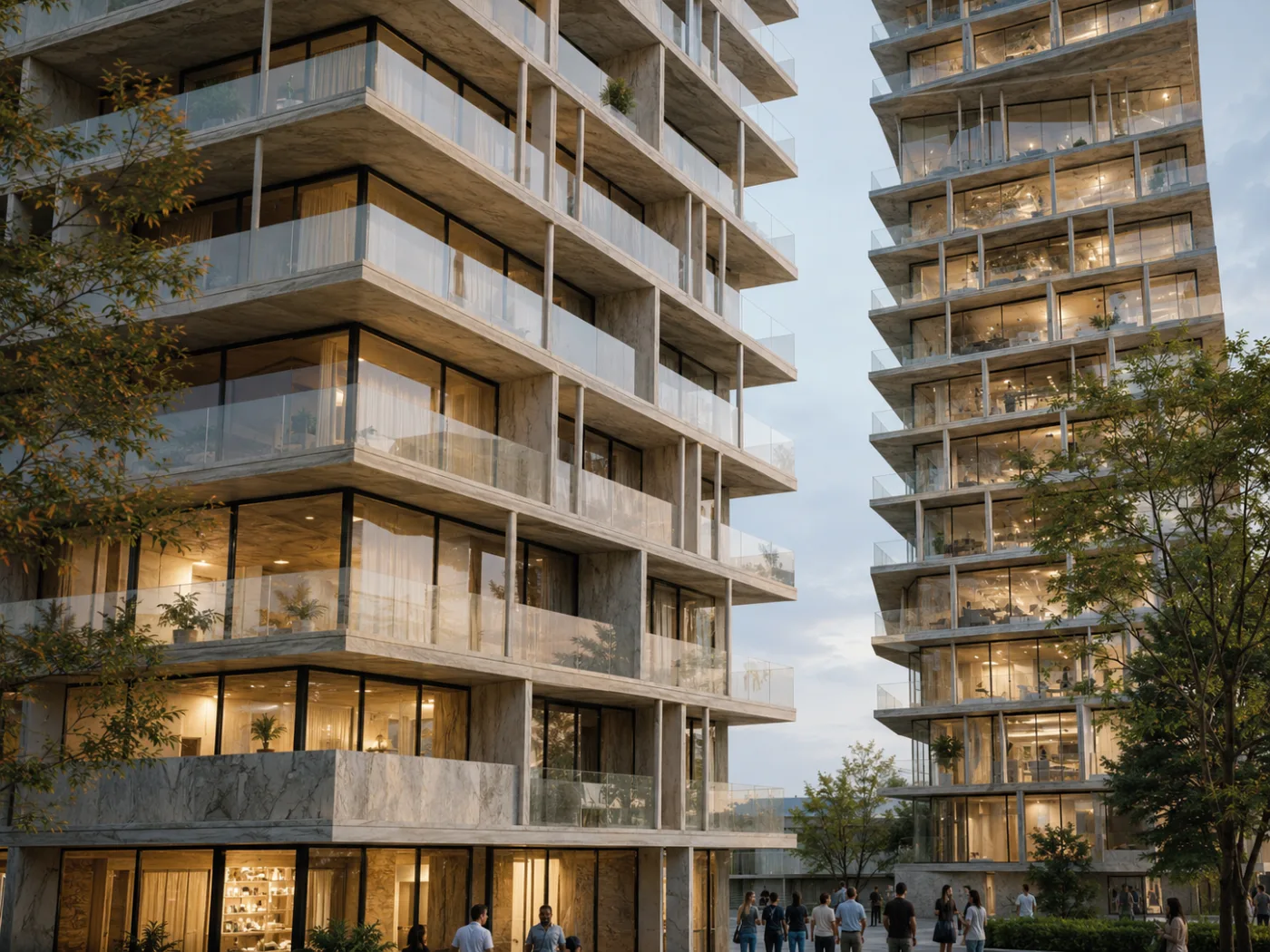
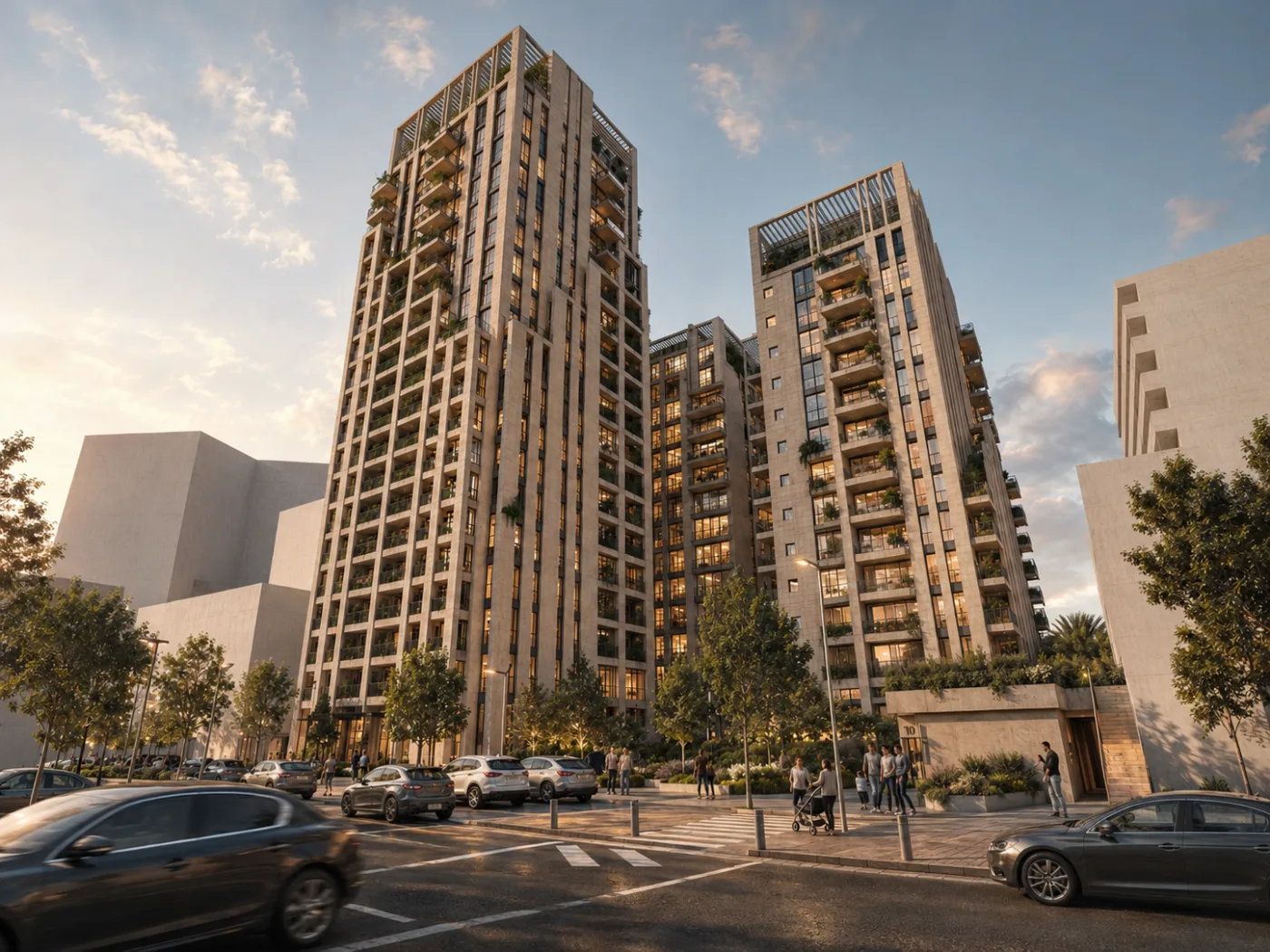
The Uziel Street project in Jerusalem is a contemporary residential complex combining slender tower volumes with green, layered balconies. Façades, articulated in a clear geometric rhythm and recessed loggias, define the street line, while inner courtyards and planted gardens offer moments of calm within the dense urban fabric. Light materials and a balanced composition of mass highlight the building's dialogue with the city's climate and heritage, providing a comfortable, elegant urban environment.
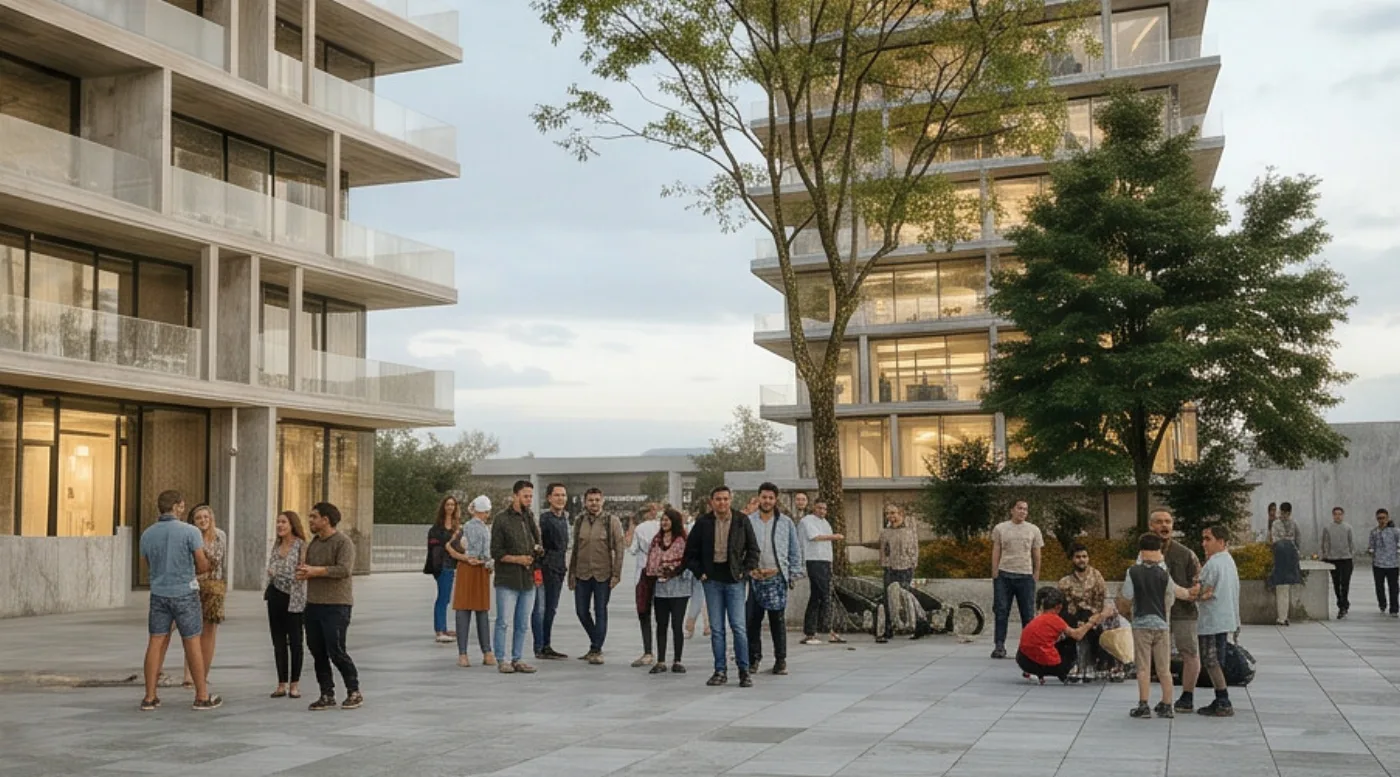
At the intersection of urban density and historic context, the Uziel complex presents refined living in central Jerusalem. Three elegant towers replace a uniform façade grid with balconies and green terraces that soften the skyline and offer intimate outdoor rooms for residents. Public spaces at ground level, a designed courtyard, and usable roof terraces create a layered sequence of open and sheltered environments, improving daylight, views, and community life. The architecture speaks in a respectful, timeless language—clean lines, warm textures, and careful detailing—reinterpreted through a contemporary lens.
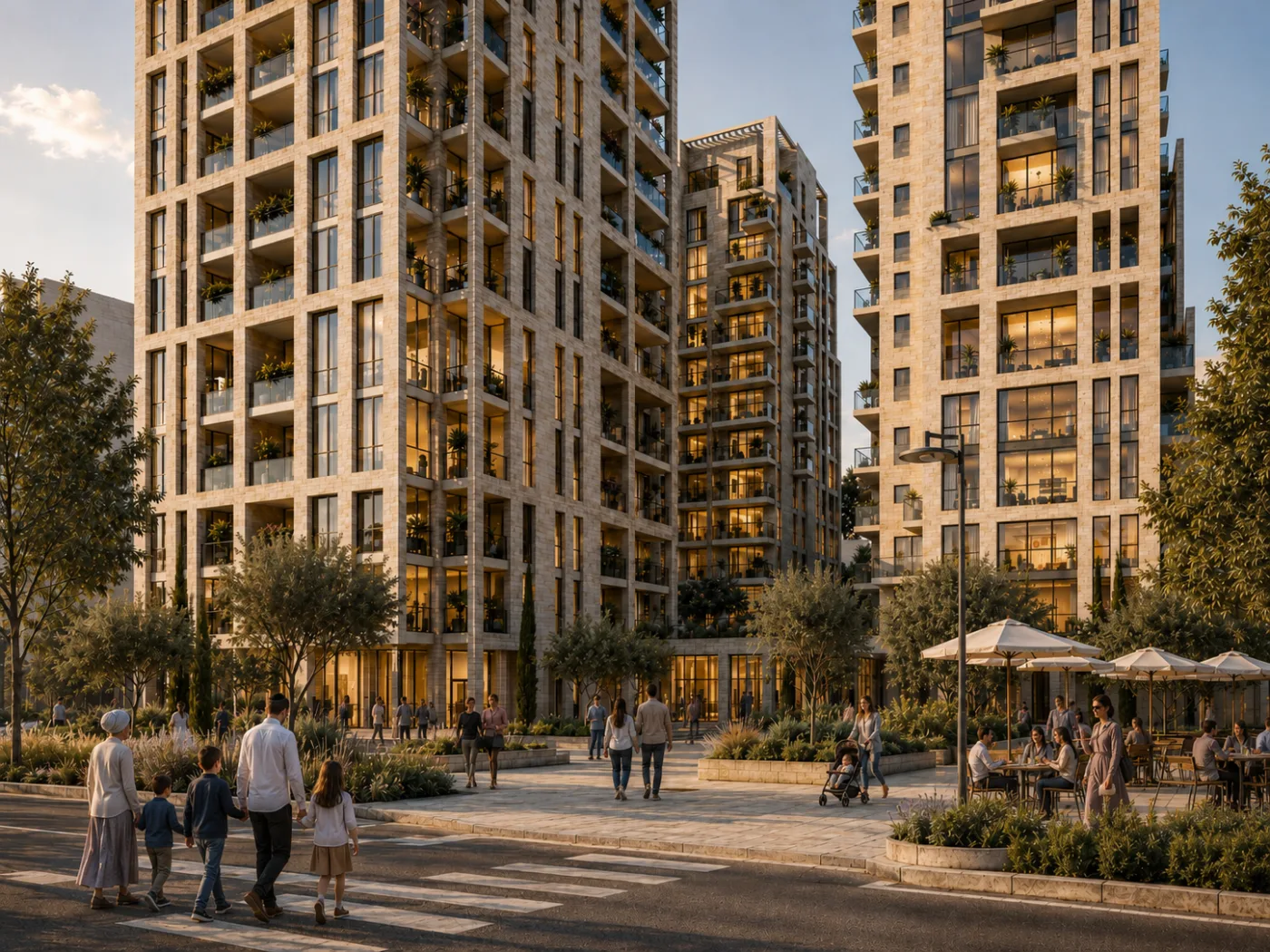
Uziel–Shaharai, Jerusalem
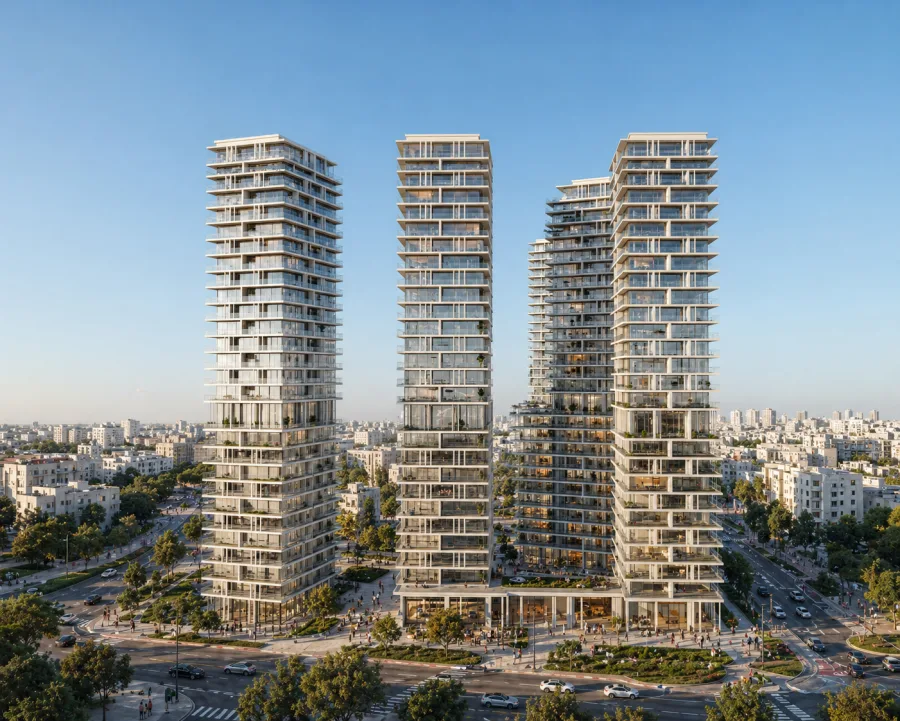
The Shapira Street project is a distinctive urban ensemble by SHIKA-NISHA architecture and urban design, where contemporary vertical living is woven seamlessly into the neighborhood's daily rhythm. Three slender towers, defined by horizontal layering and expansive glazing, shape a recognizable skyline and frame panoramic city views while flooding interior spaces with natural light. An activated ground floor, with public-facing uses and designed landscaping, connects architecture to the street and creates a lively, comfortable public realm—a new landmark in the city.
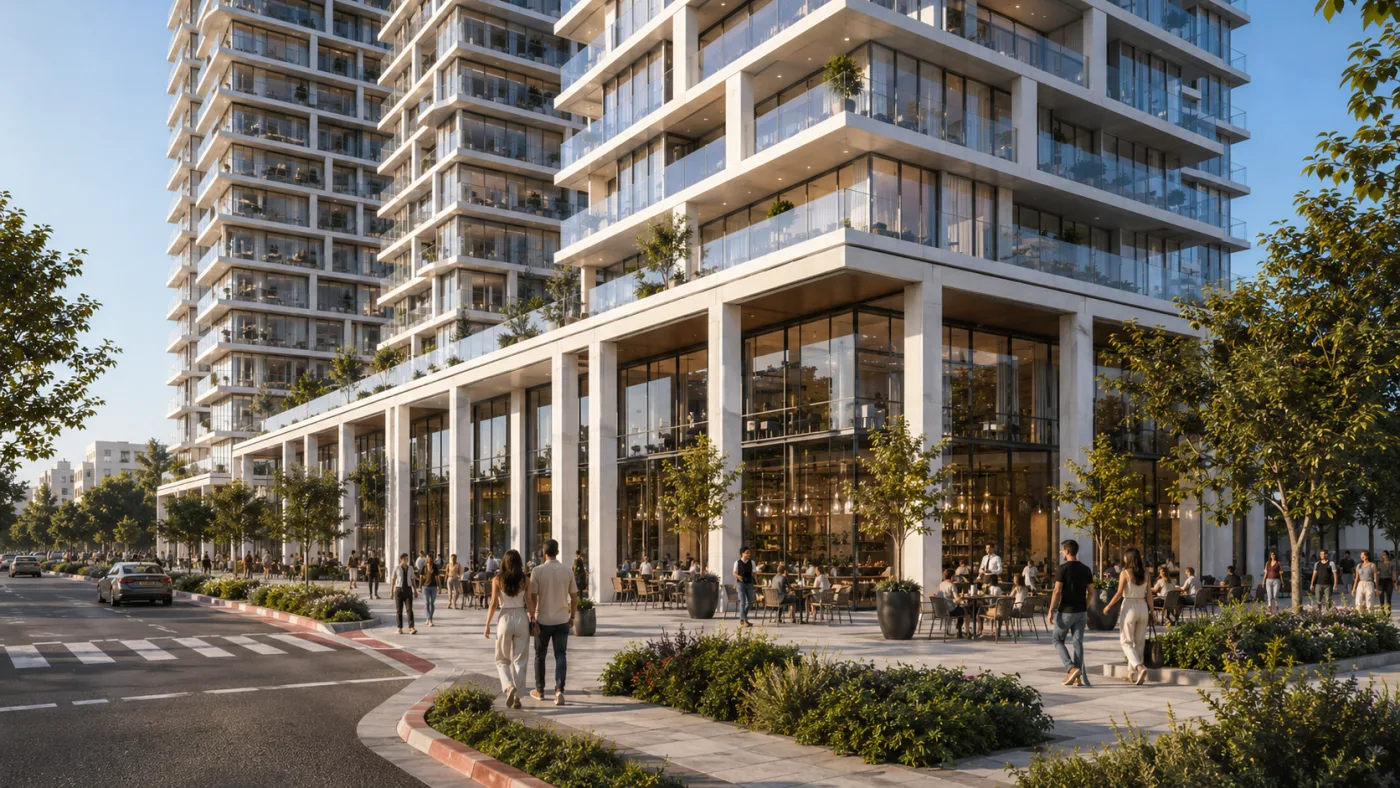
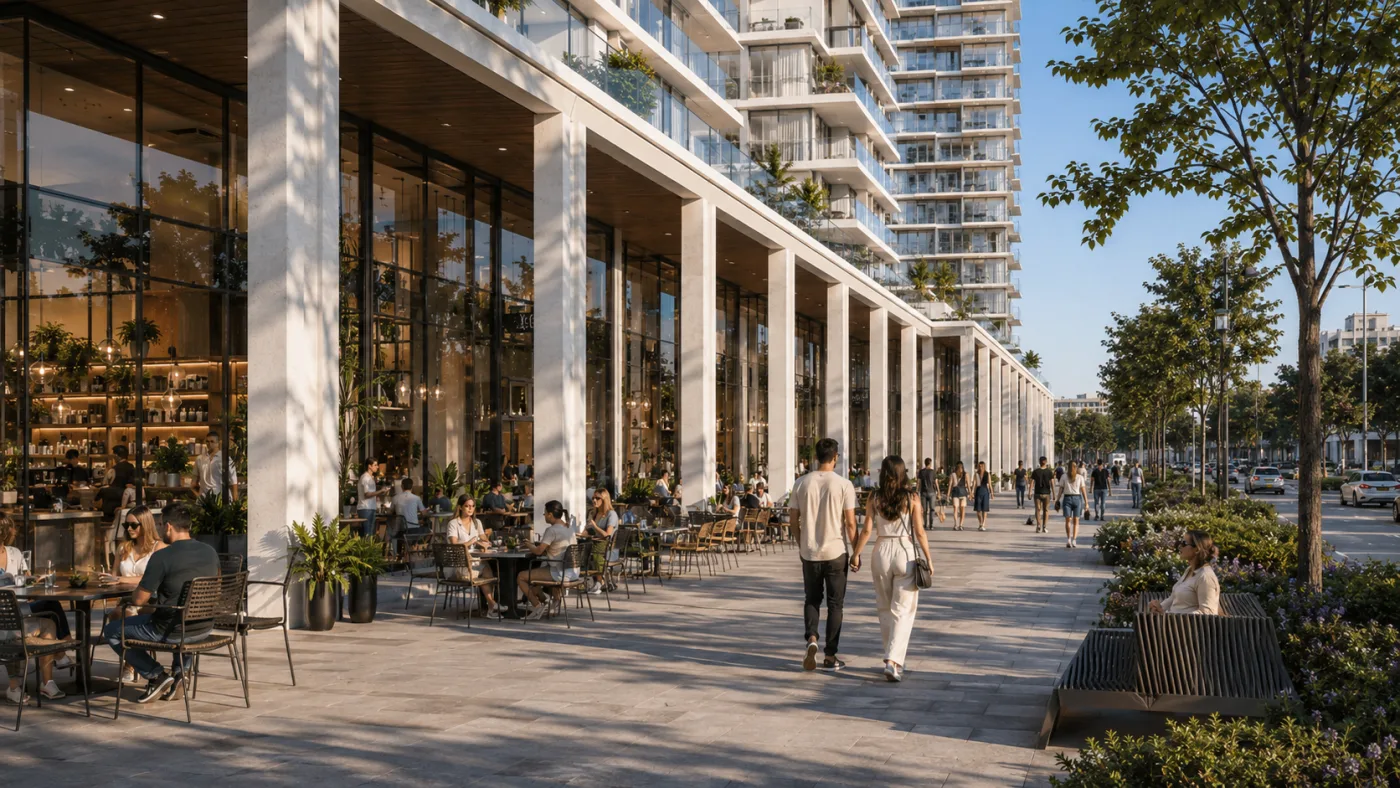
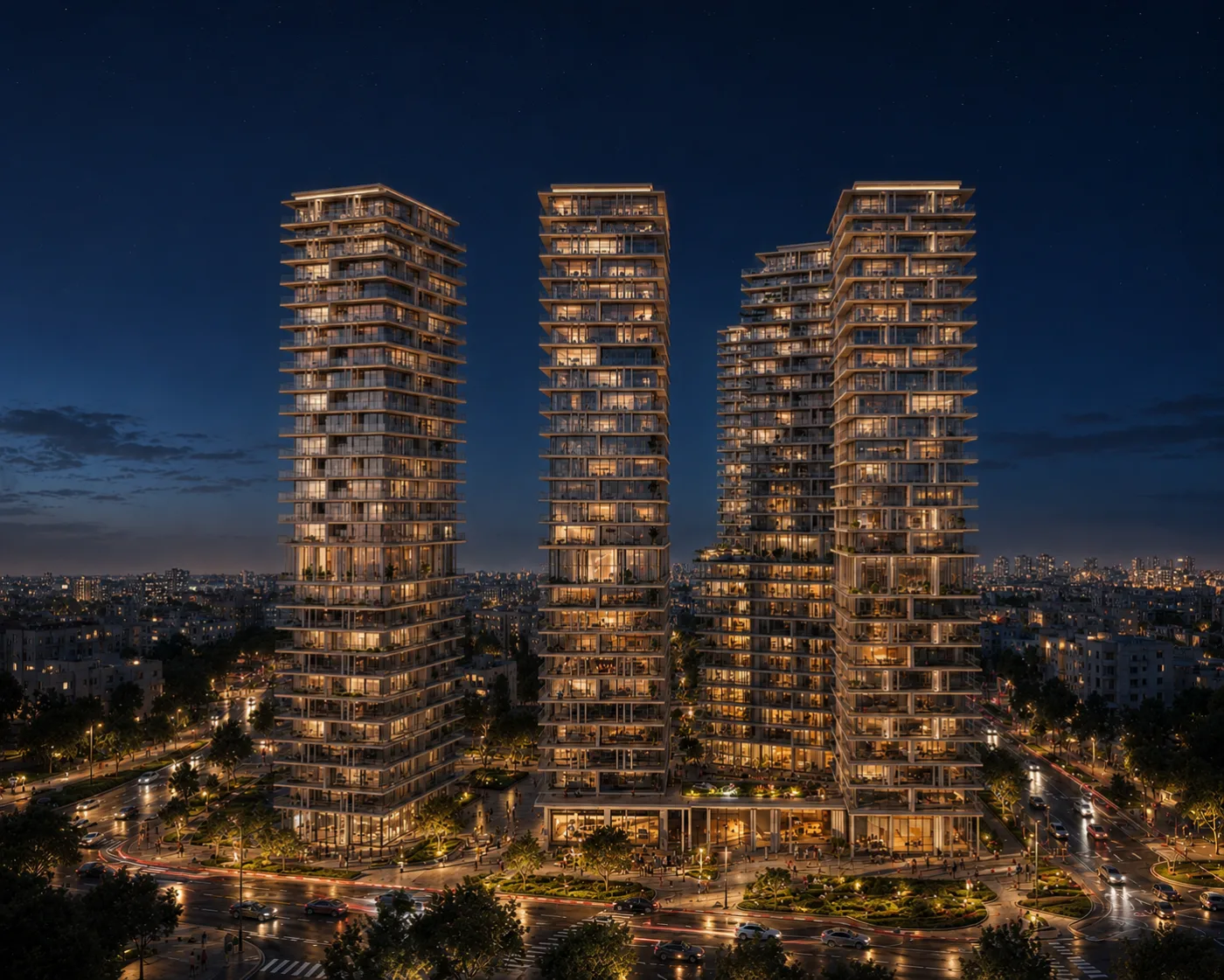
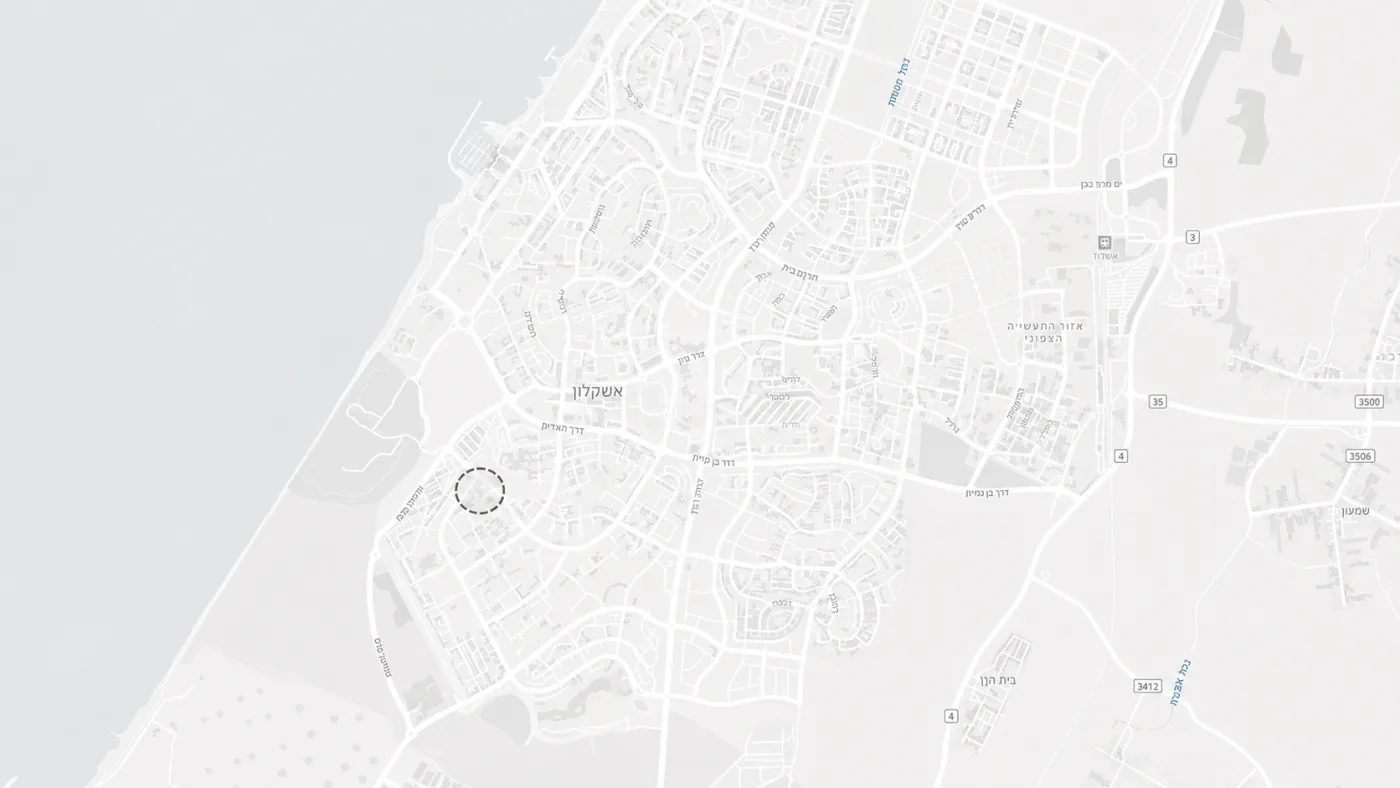
Shapira Street, Ashkelon
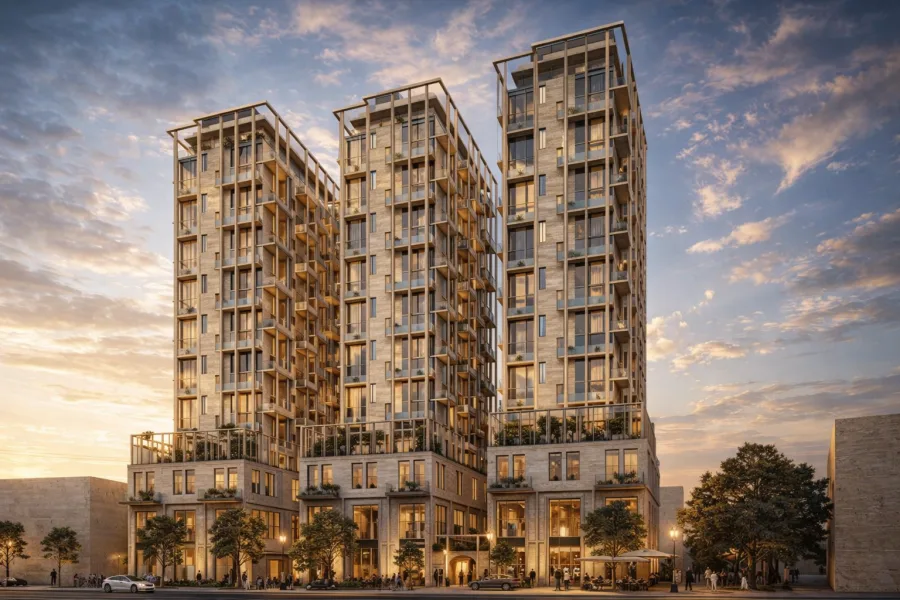
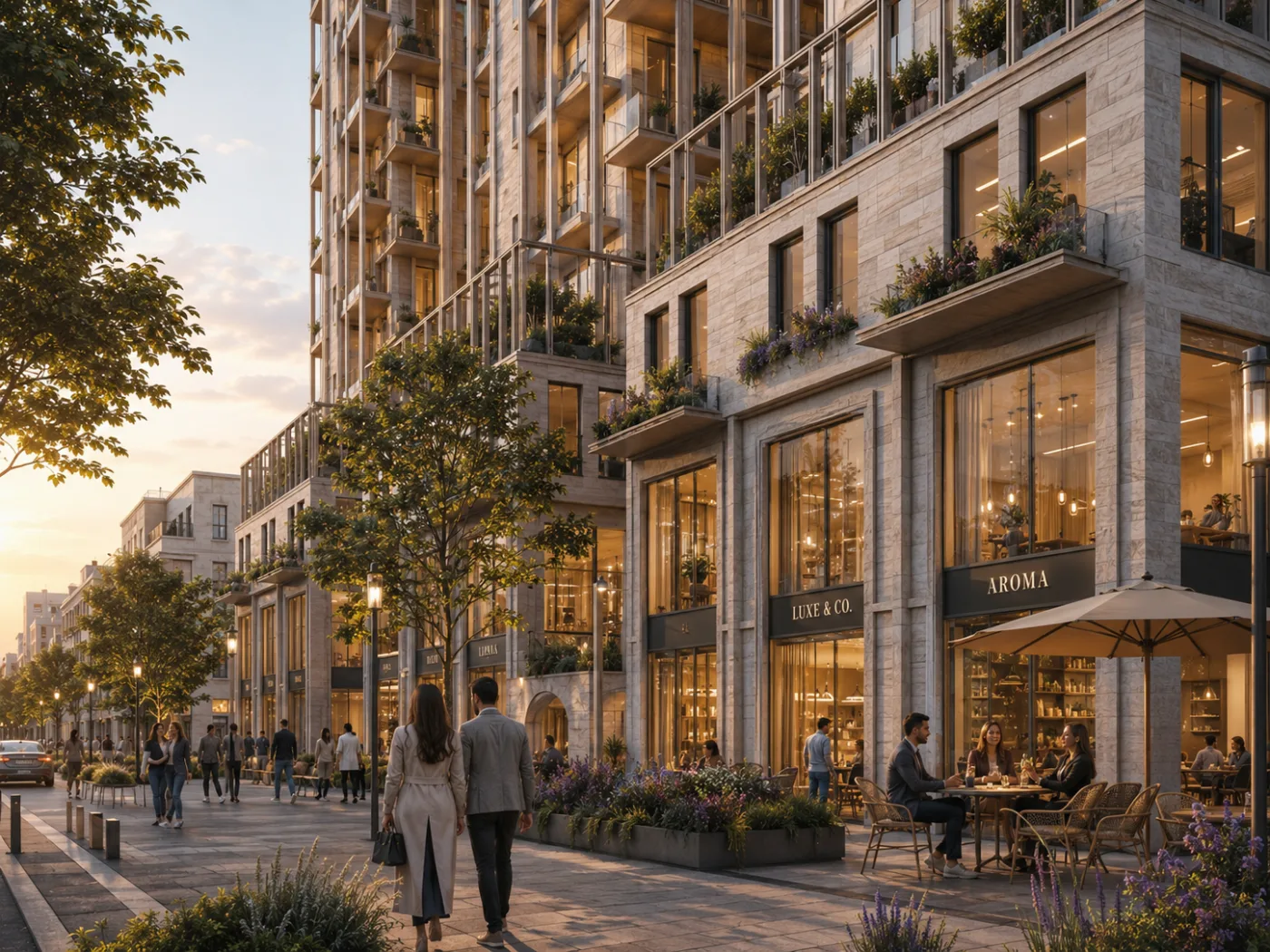
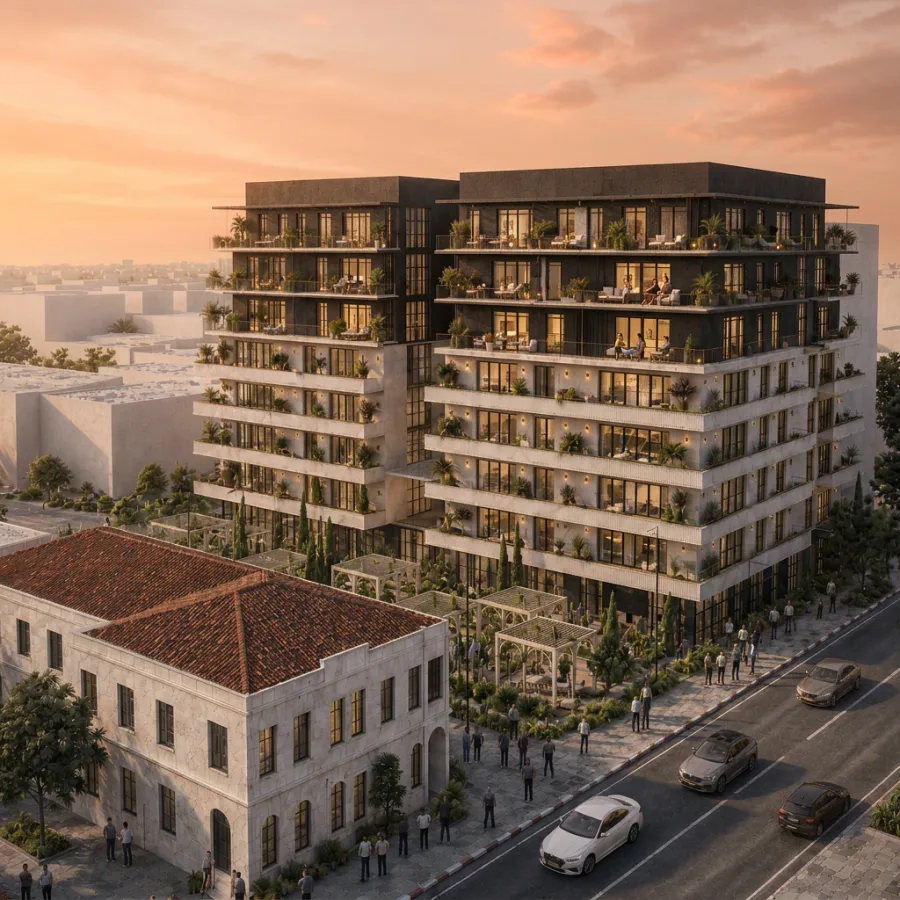
The Rivka 22 project in Jerusalem expresses a refined dialogue between contemporary design and the city's historic fabric. Three sculpted towers rise from a dignified podium; light stone façades recall local building traditions while a delicate metal frame creates rhythm across balconies and depth. Generous balconies, planted loggias, and street-level cafés shape a soft transition from public space to private living, animating the street and fostering community life. Warm, considered lighting highlights material texture and the line against Jerusalem's sky, while thoughtful planning maximizes daylight, views, and everyday comfort. The result is a modern, sensitive residential ensemble that respects context, promotes sustainable living, and enriches the urban experience.
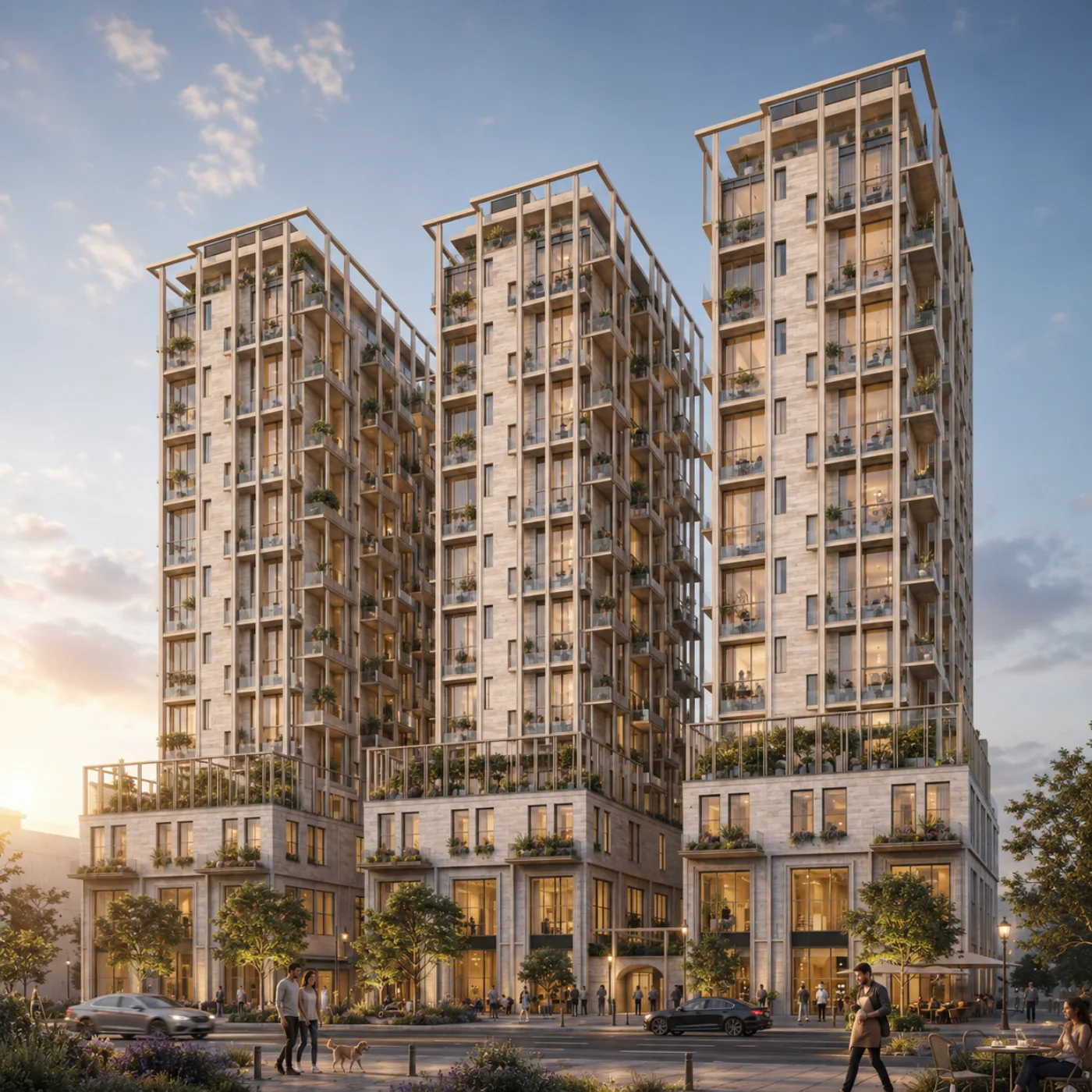
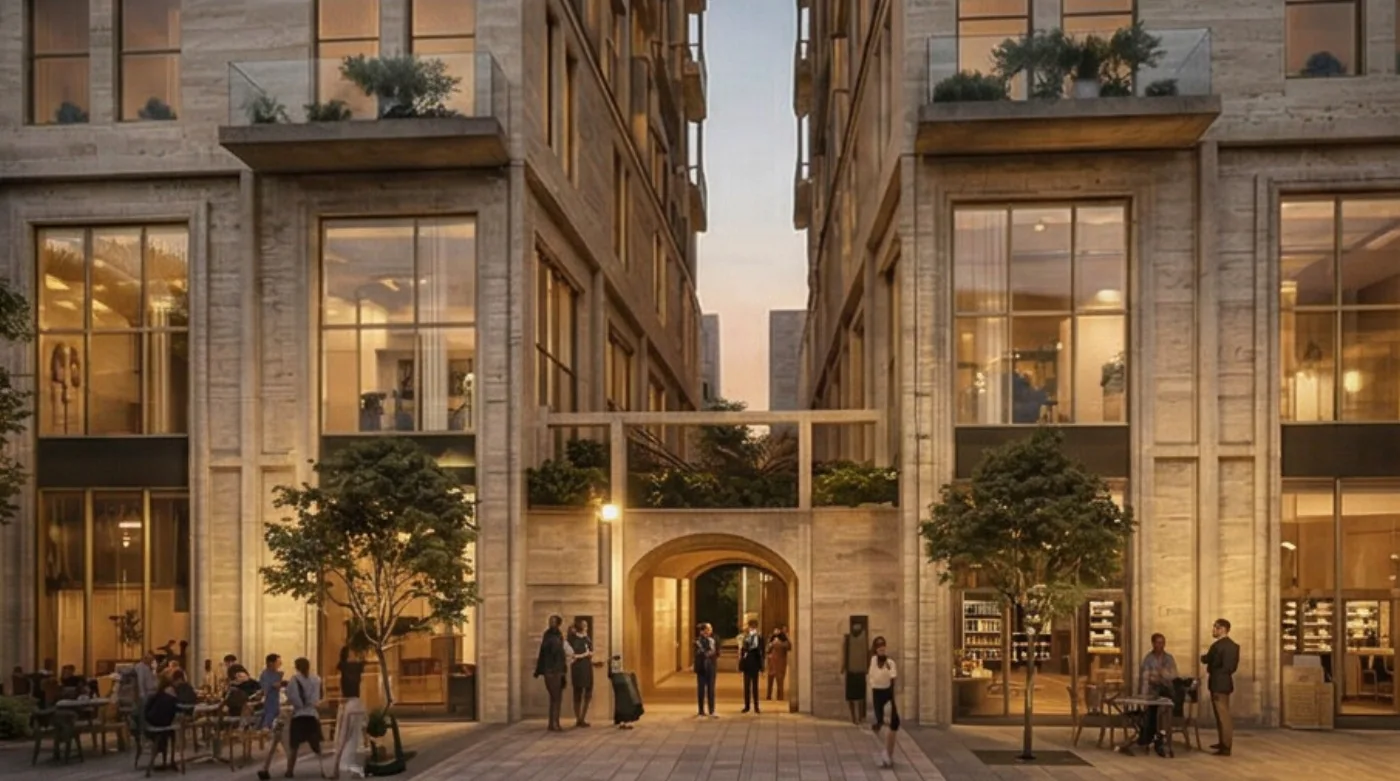
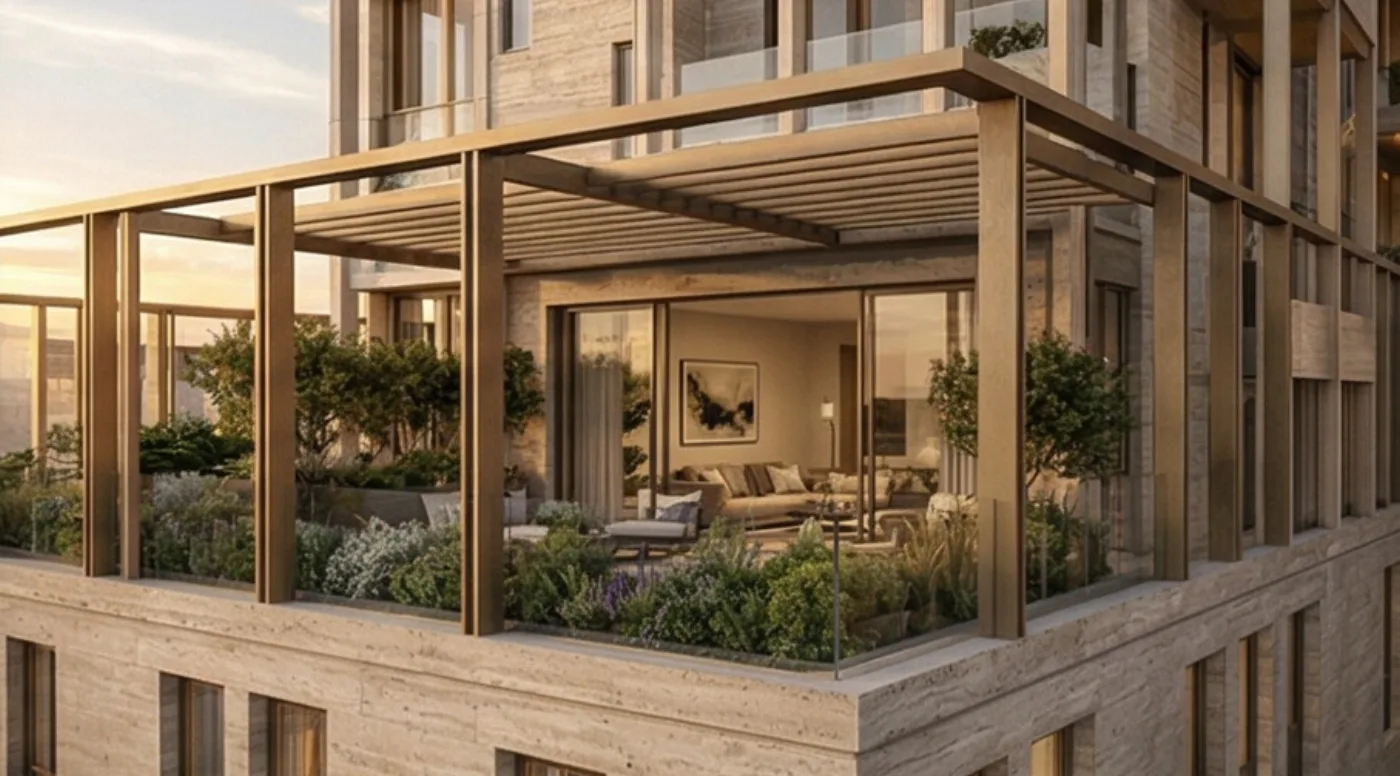
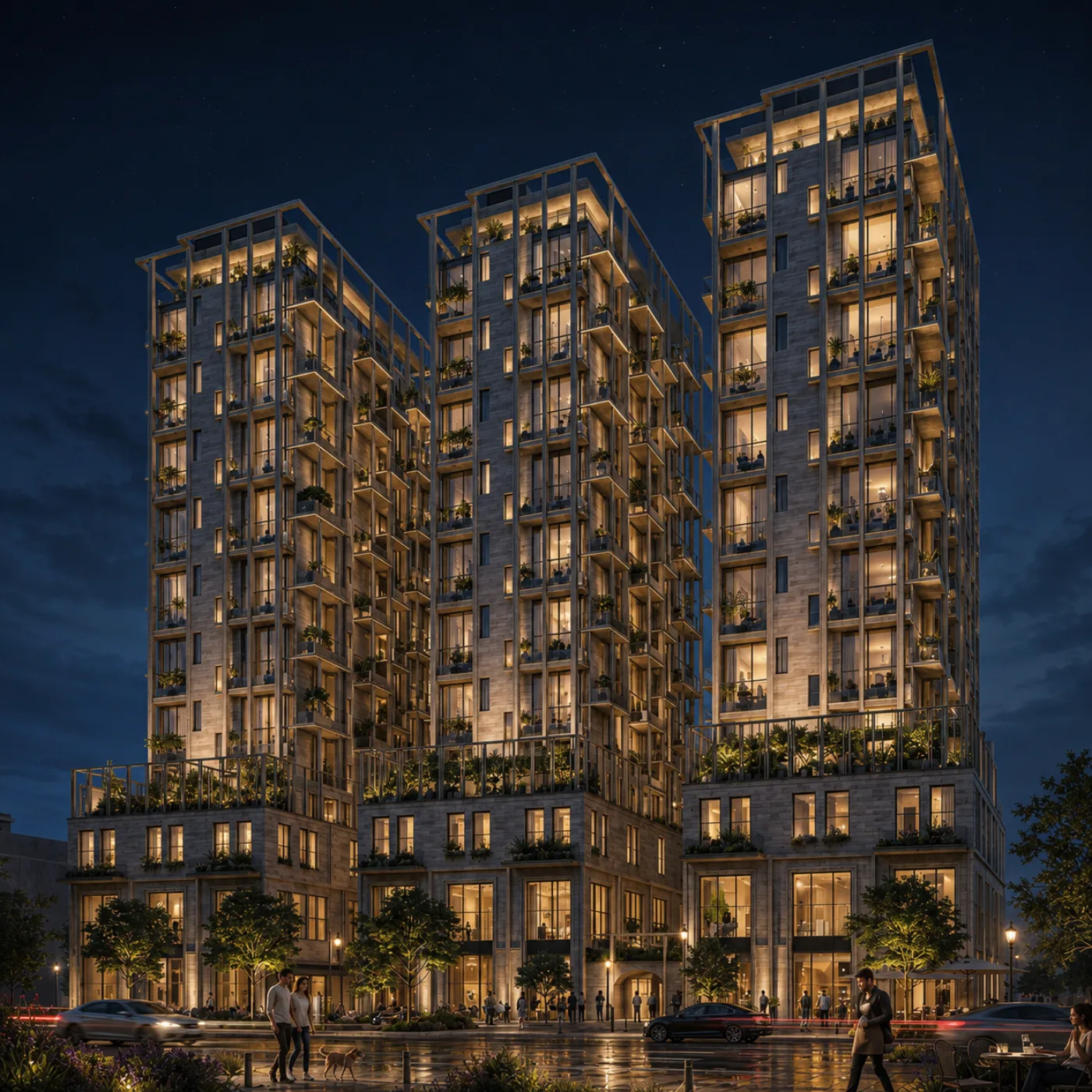
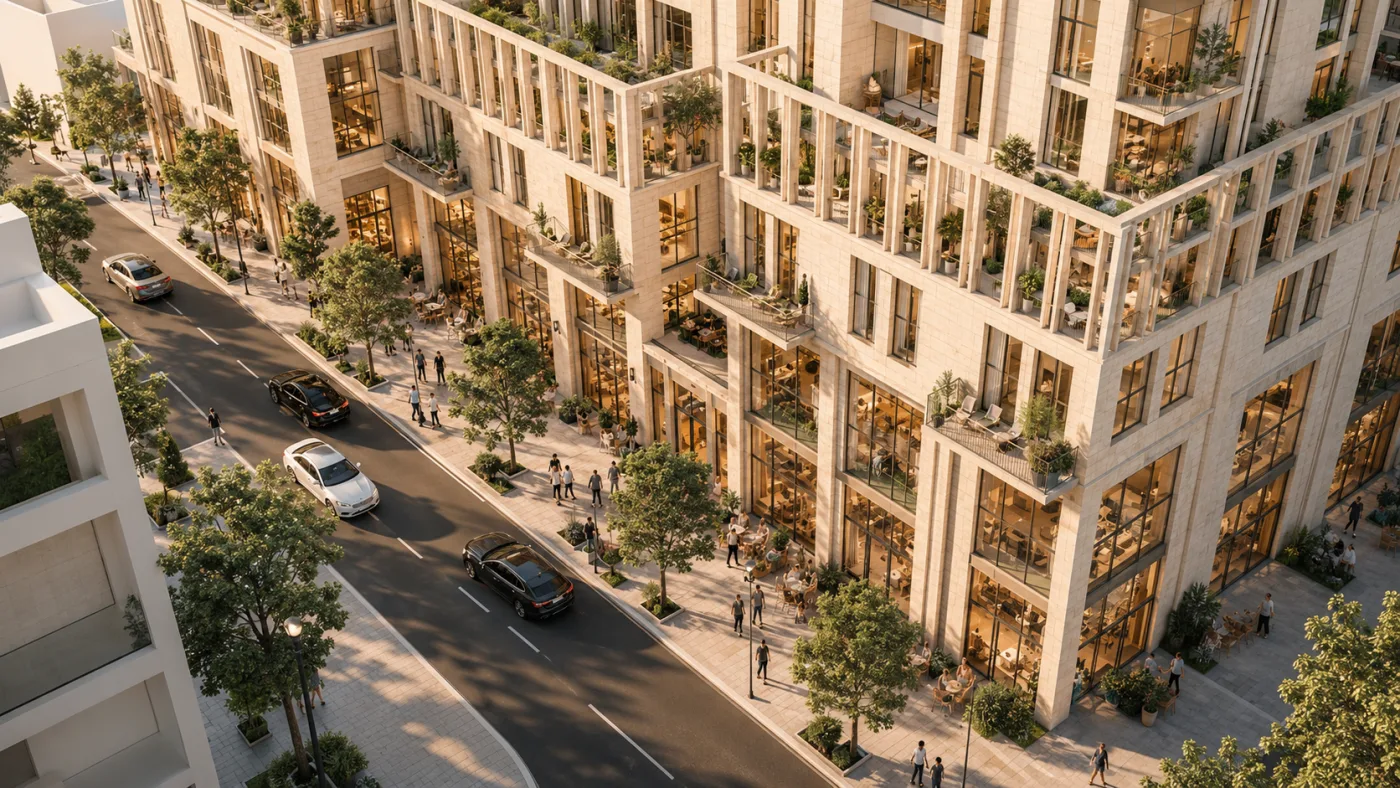
Rivka 22, Jerusalem
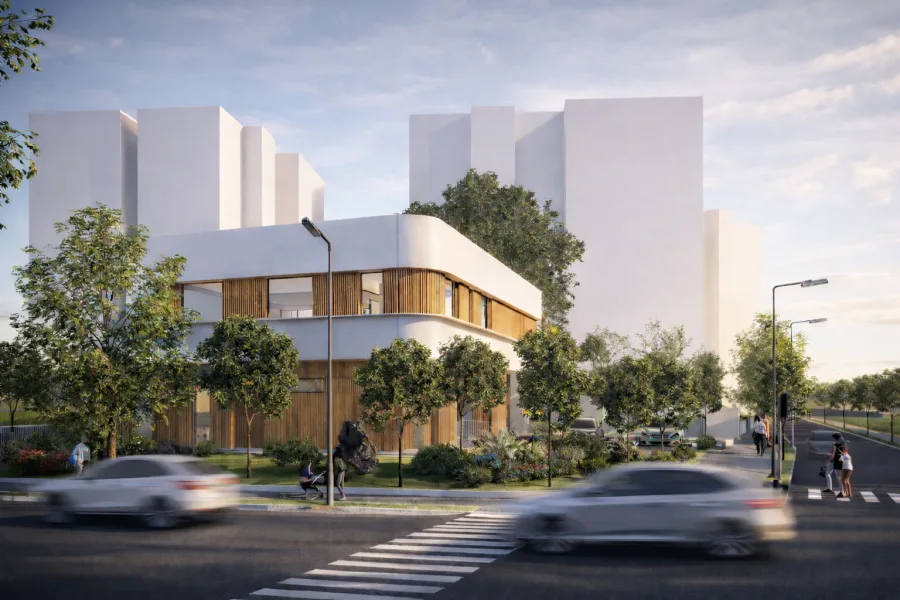
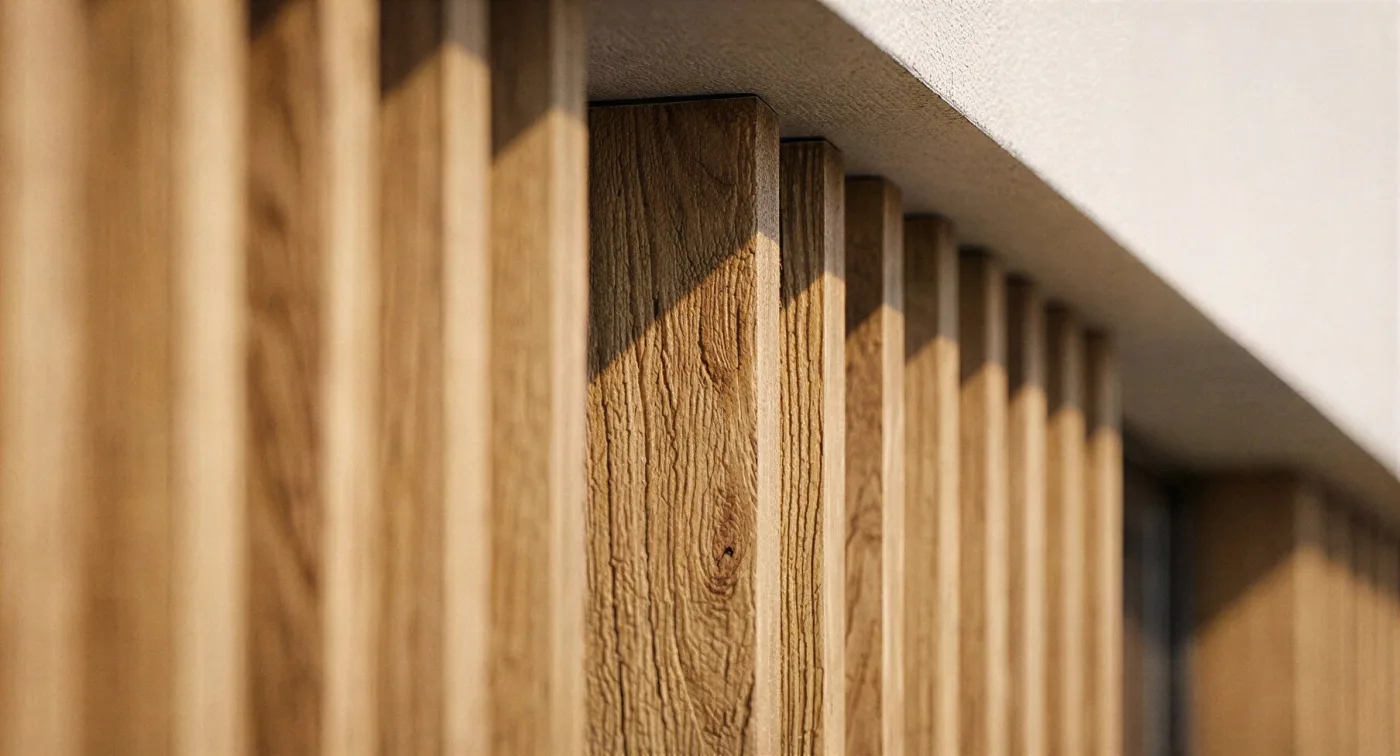
This Rishon LeZion project by SHIKA-NISHA architecture and urban design presents a contemporary urban building defined by soft, rounded corners and a clear horizontal façade rhythm. Bright, crisp surfaces are balanced with the warmth of vertical timber louvers—providing solar shading and human scale to the composition. Generous glazing opens interiors to surrounding greenery, and designed edges of trees and low planting create a calm buffer between street and building. The result is a confident yet modest landmark that blends seamlessly into its context and adds a more natural, inviting character to the neighborhood.
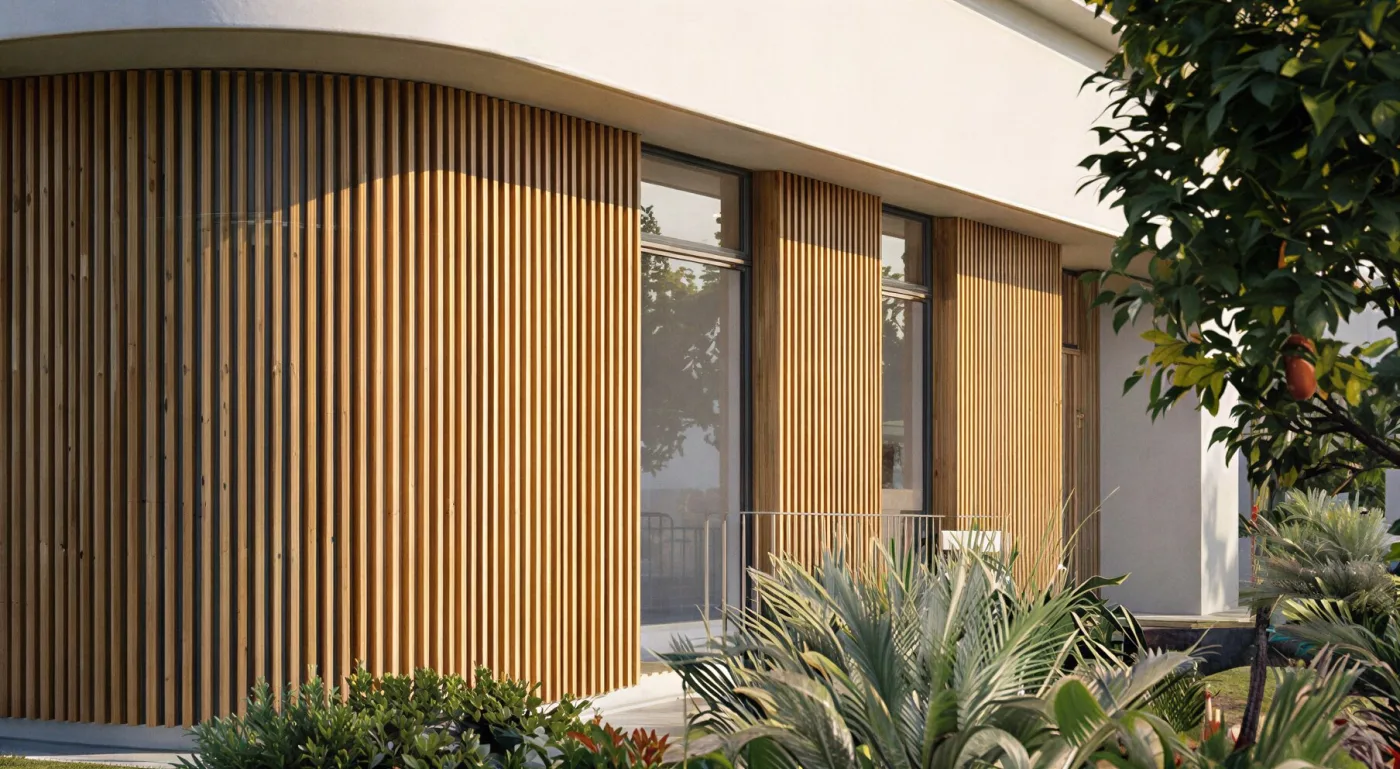
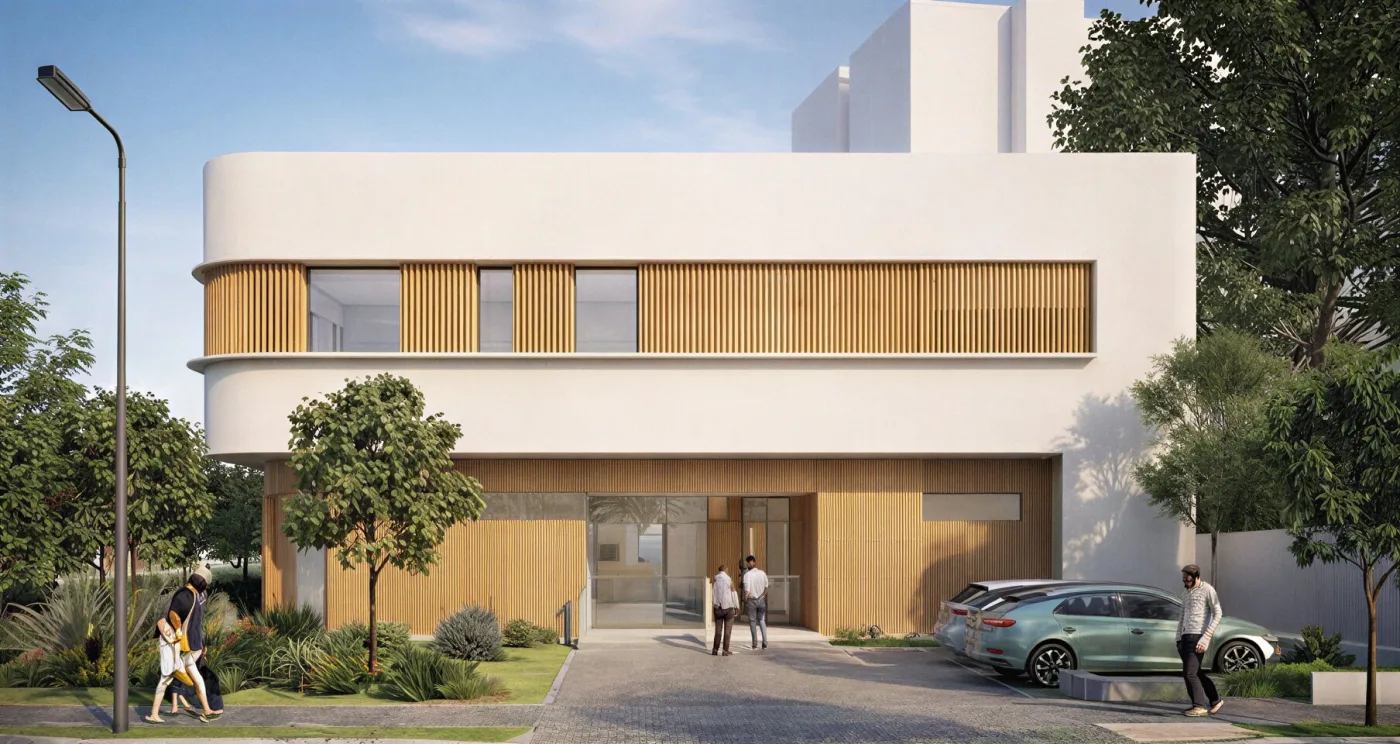
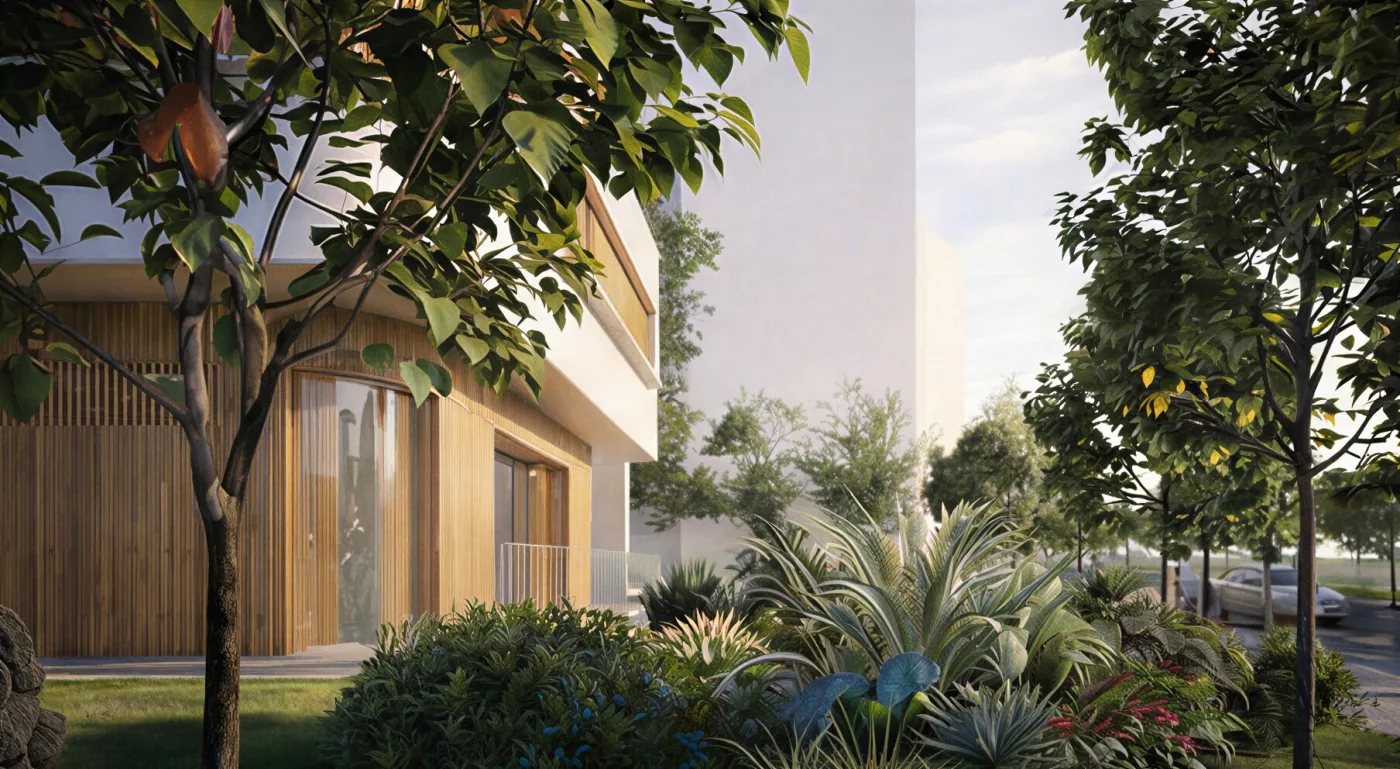
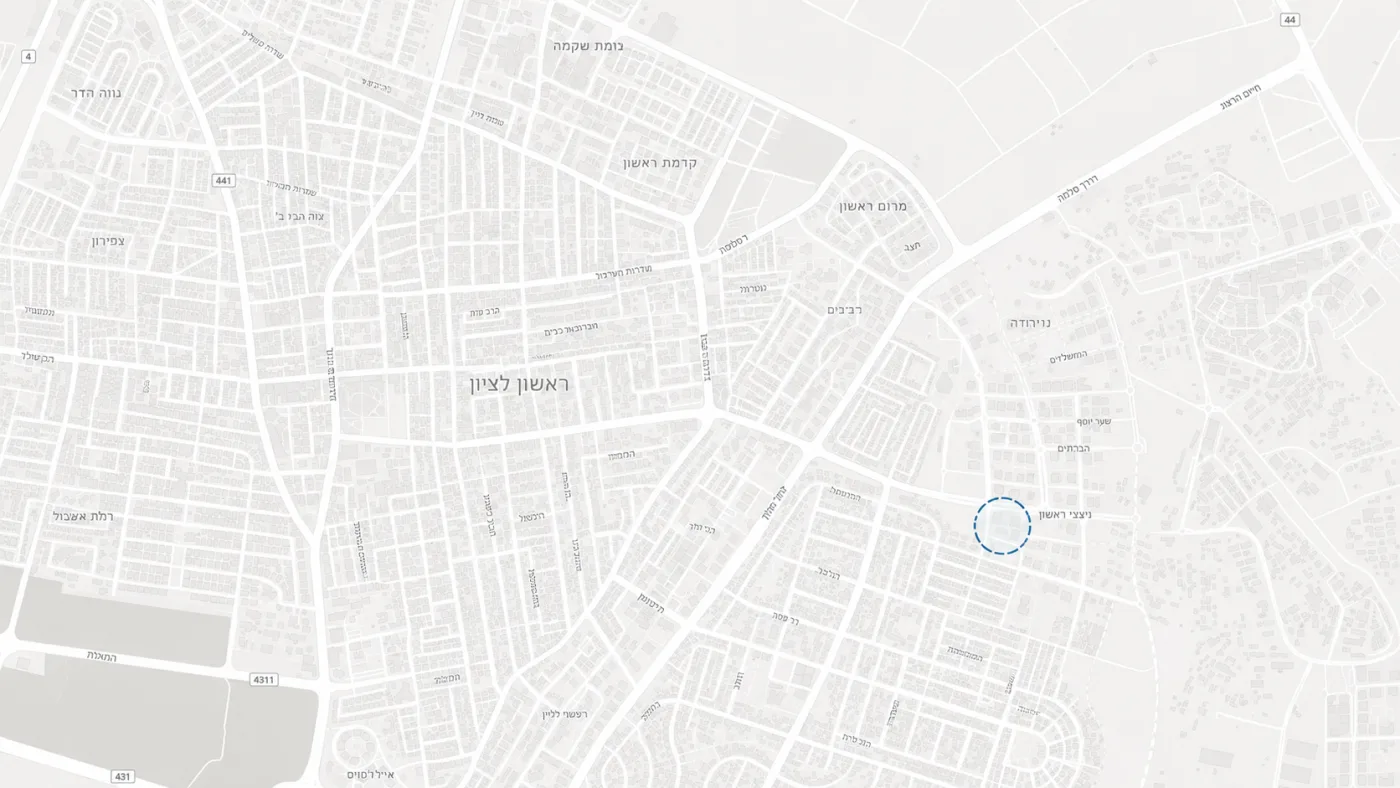
Mikve 706, Rishon LeZion
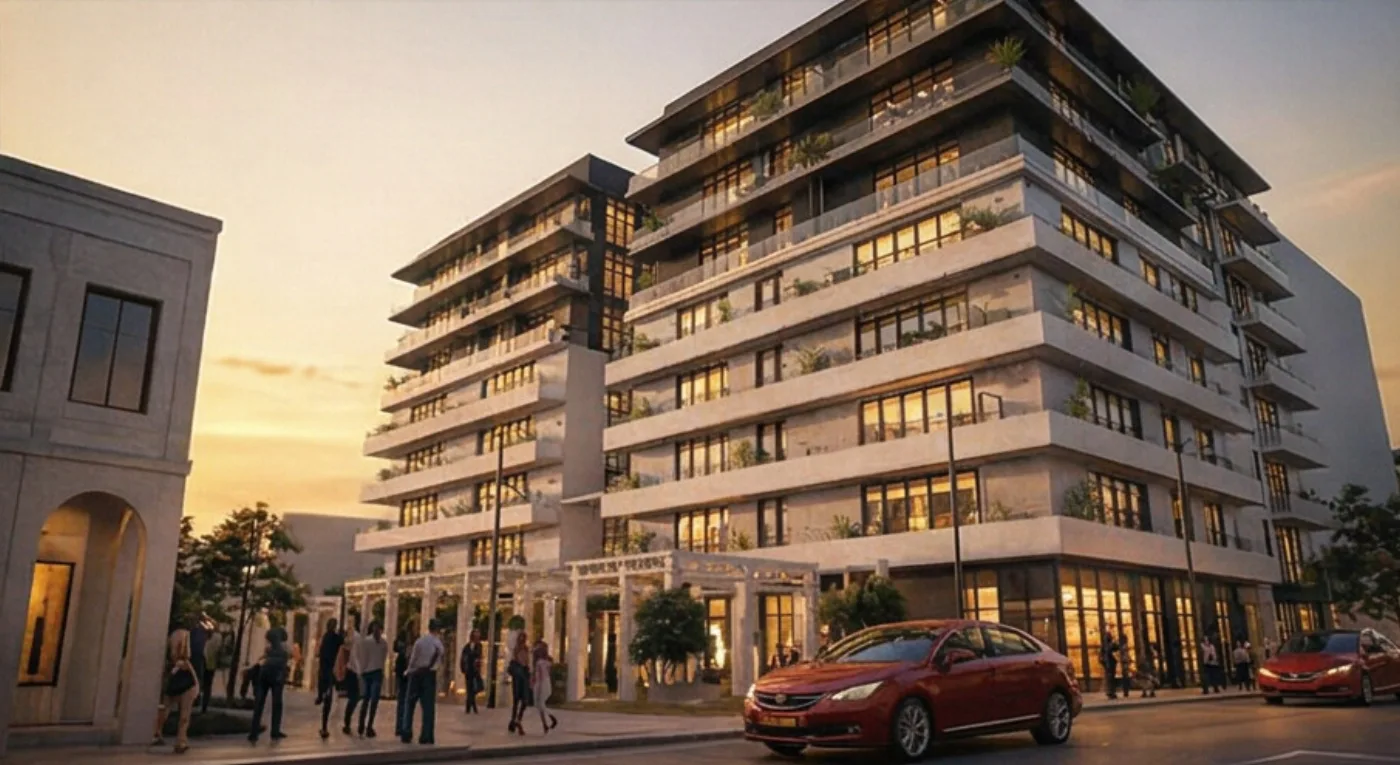
This Rishon LeZion project by SHIKA-NISHA architecture and urban design presents a contemporary urban building defined by soft, rounded corners and a clear horizontal façade rhythm. Bright, crisp surfaces are balanced with the warmth of vertical timber louvers—providing solar shading and human scale to the composition. Generous glazing opens interiors to surrounding greenery, and designed edges of trees and low planting create a calm buffer between street and building. The result is a confident yet modest landmark that blends seamlessly into its context and adds a more natural, inviting character to the neighborhood.
Ahad Ha'am Haviv, Rishon LeZion
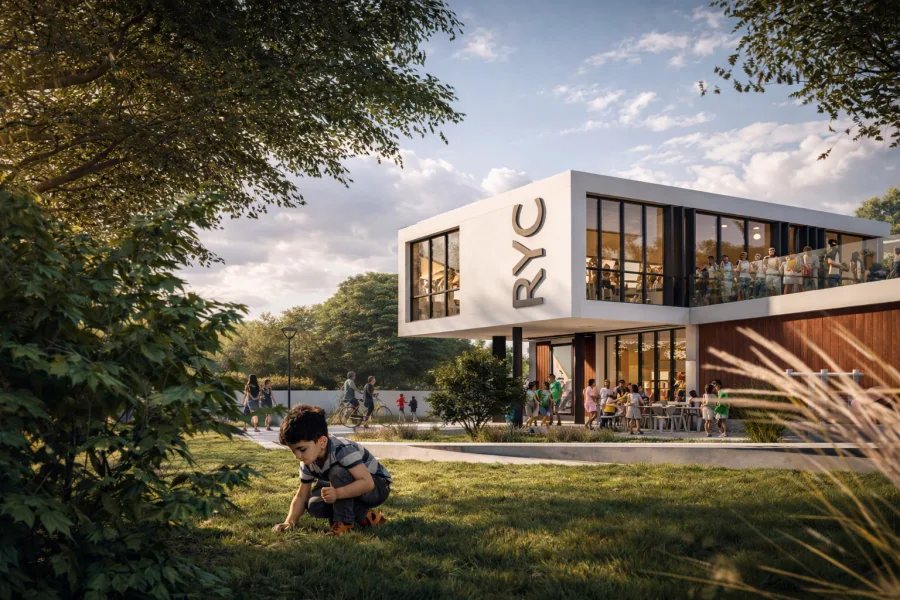
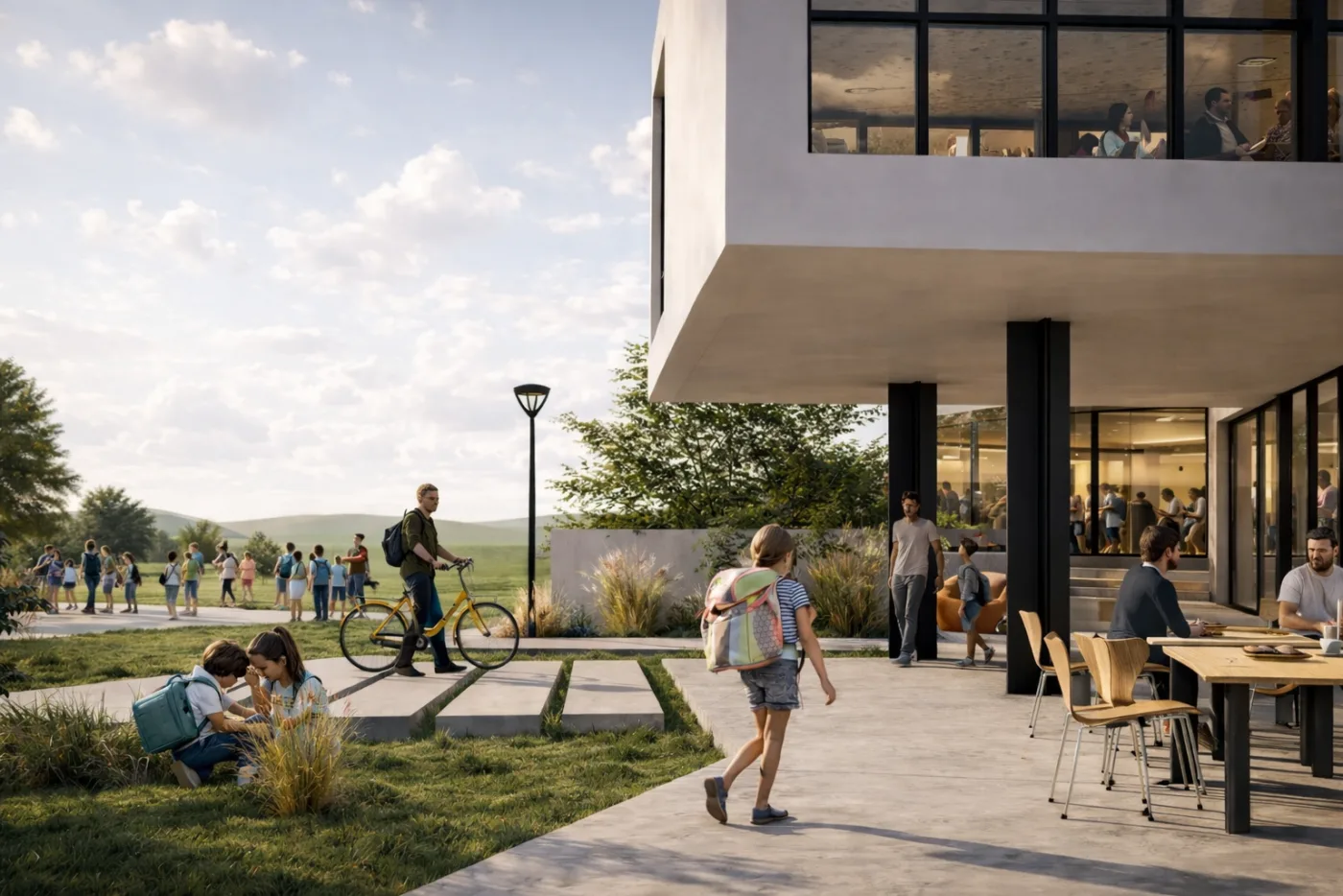
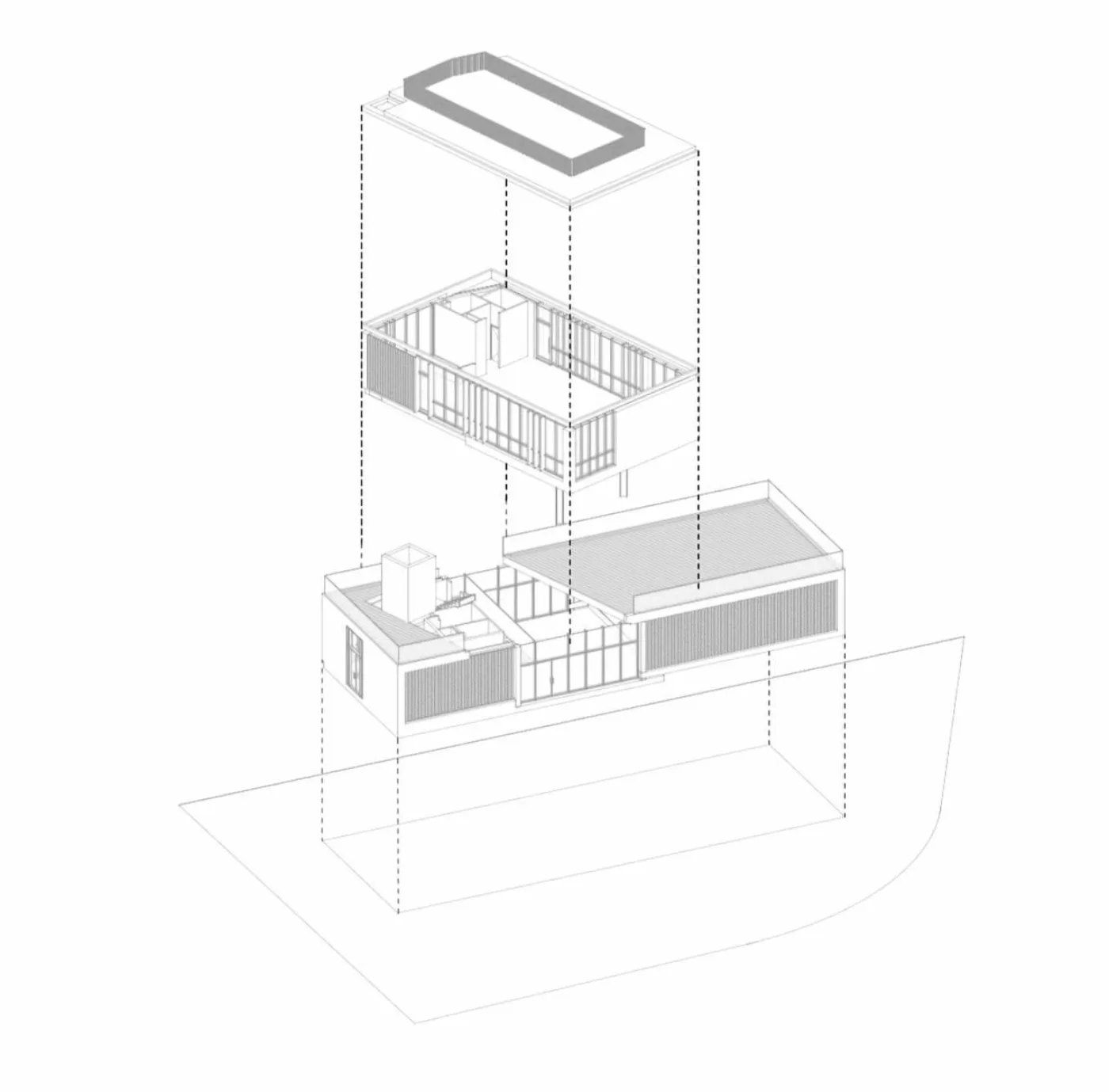
The child development project in Rishpon, designed by SHIKA-NISHA architecture and urban design, is a contemporary community hub where architecture supports growth, curiosity, and a sense of safety. A clean, restrained volume with a bold cantilever shapes a sheltered ground-level zone and opens the building to the surrounding park, turning the façades into a living showcase of the center's daily rhythm. Generous glazing brings in soft daylight and maintains a strong visual connection between indoor learning and outdoor activity. Warm materiality, clear spatial logic, and flexible rooms create an environment where learning unfolds naturally—through play, movement, and social interaction—making the center a welcoming landmark for children and families across the neighborhood.
Child Development Center, Rishpon
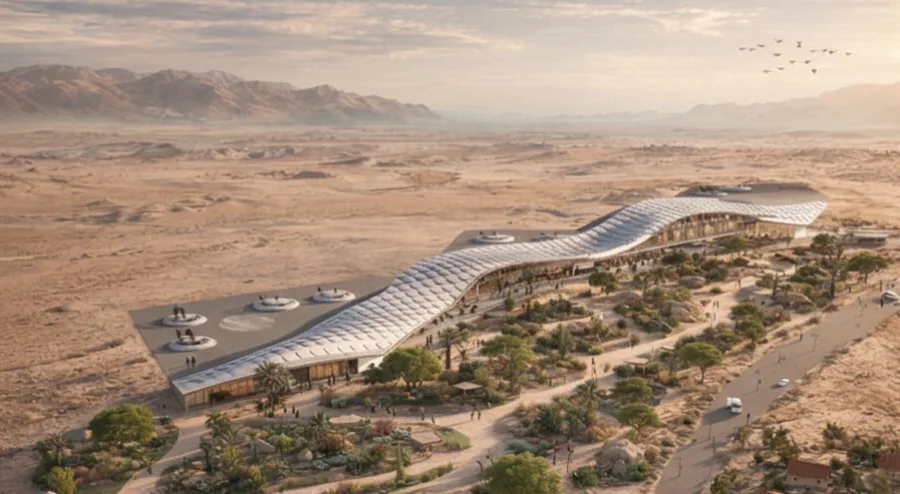
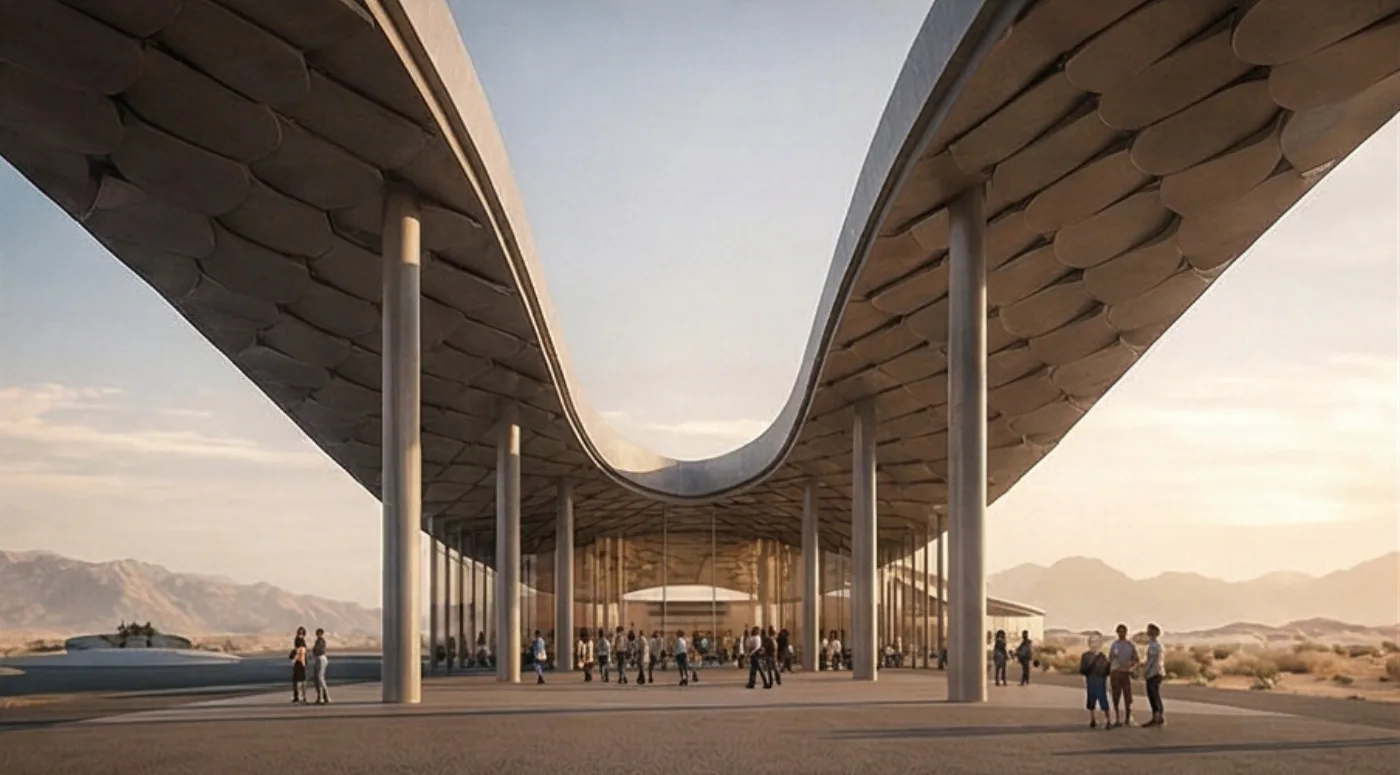
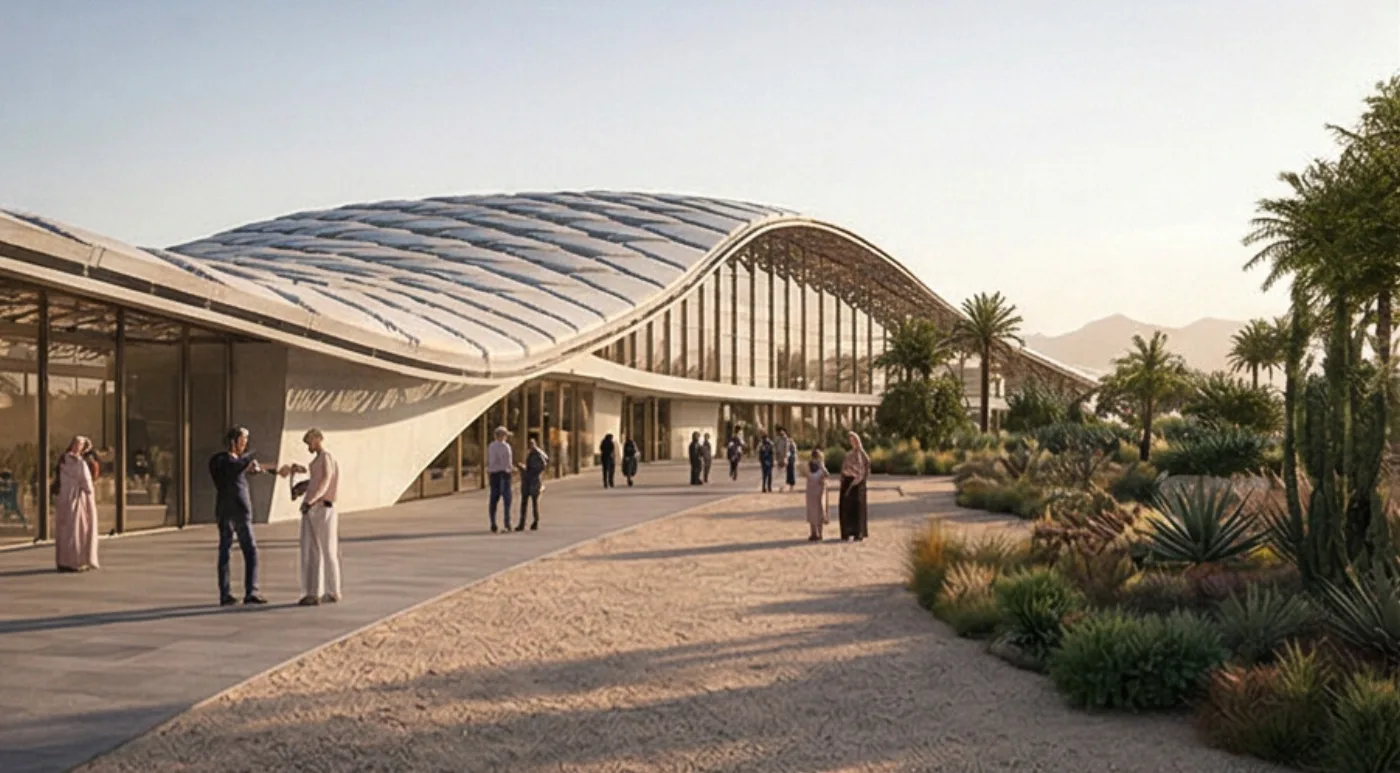
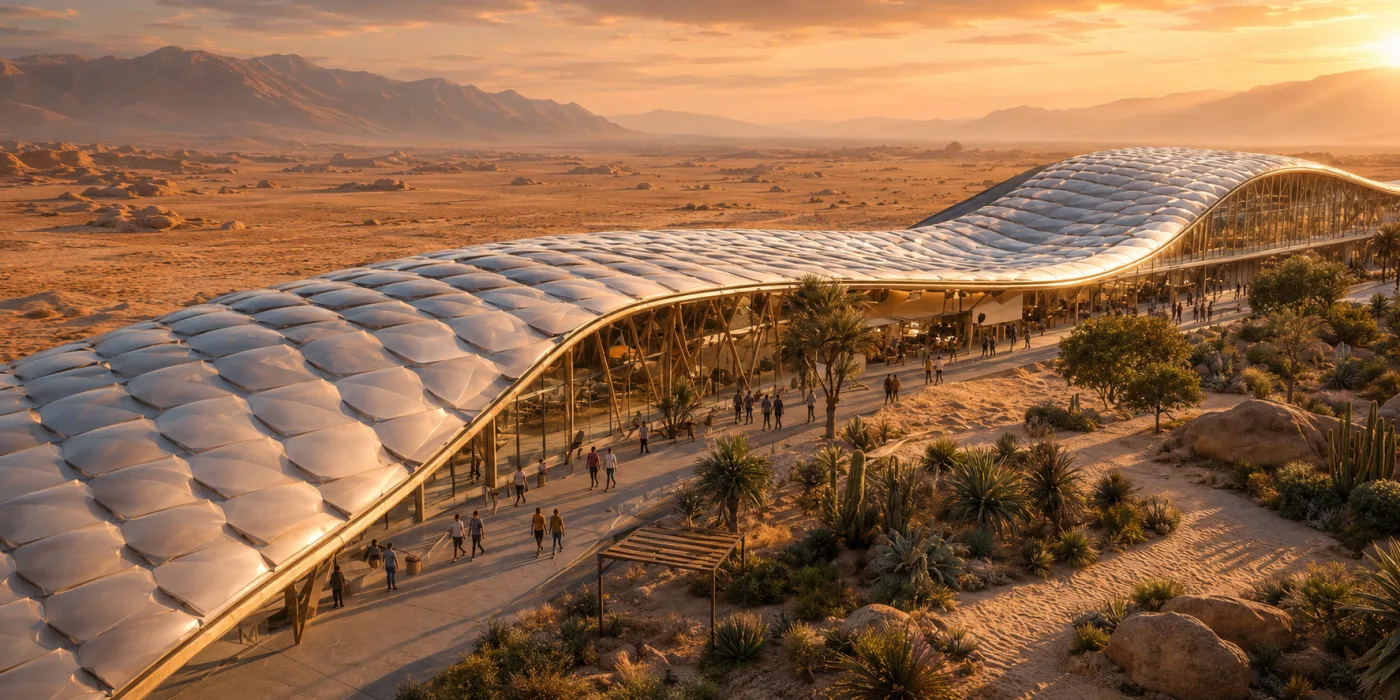
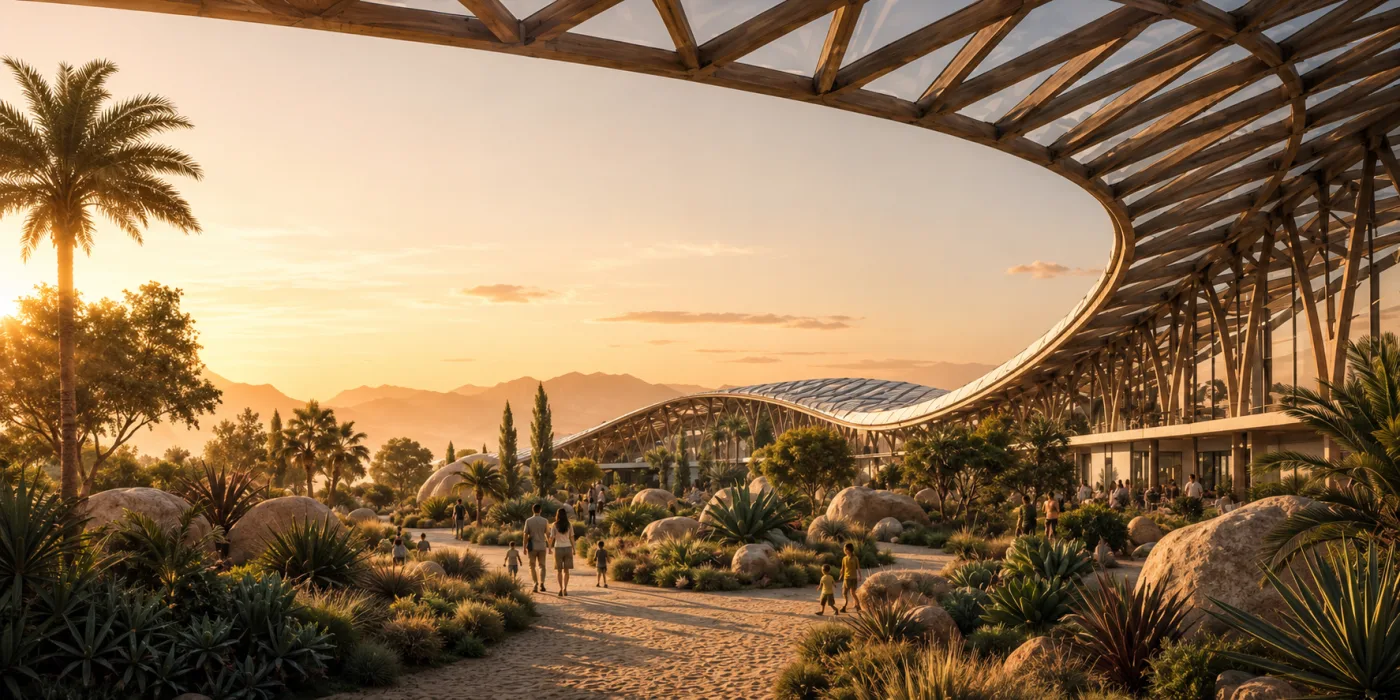
The Skyport eVTOL project—advanced air mobility in Israel's Negev desert—is by SHIKA-NISHA architecture and urban design, reimagining future transport infrastructure as a continuation of the topography. A flowing, wave-like roof line echoes the horizon, shaping a distinctive silhouette and creating shaded, oasis-like environments for passengers and staff. The center combines approach and vertical landing areas with public zones and designed landscapes, balancing engineering precision with climate-sensitive planning. Beyond a transit facility, it offers a new desert typology: a light, technological gateway defined by comfort, resilience, and clear spatial legibility within the vast Negev landscape.
Skyport
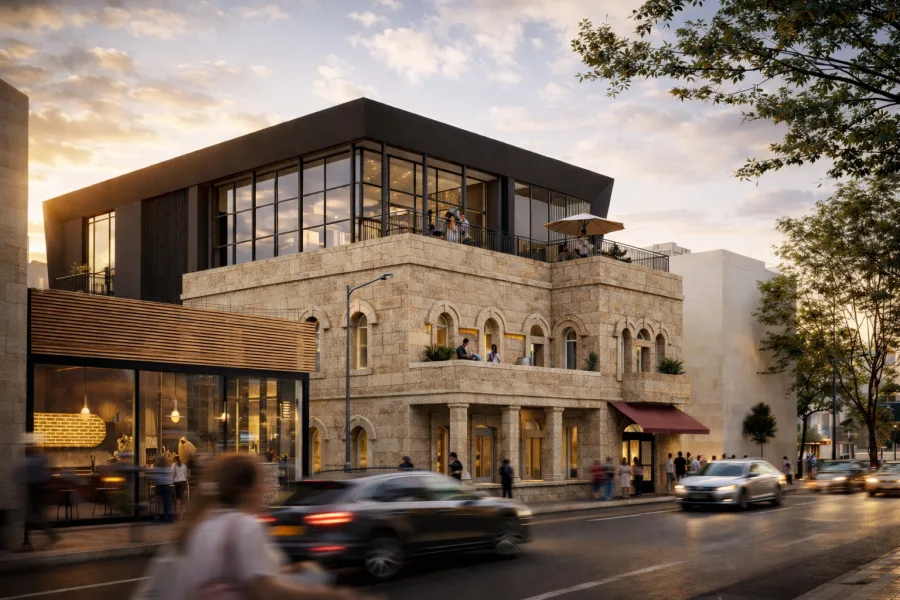
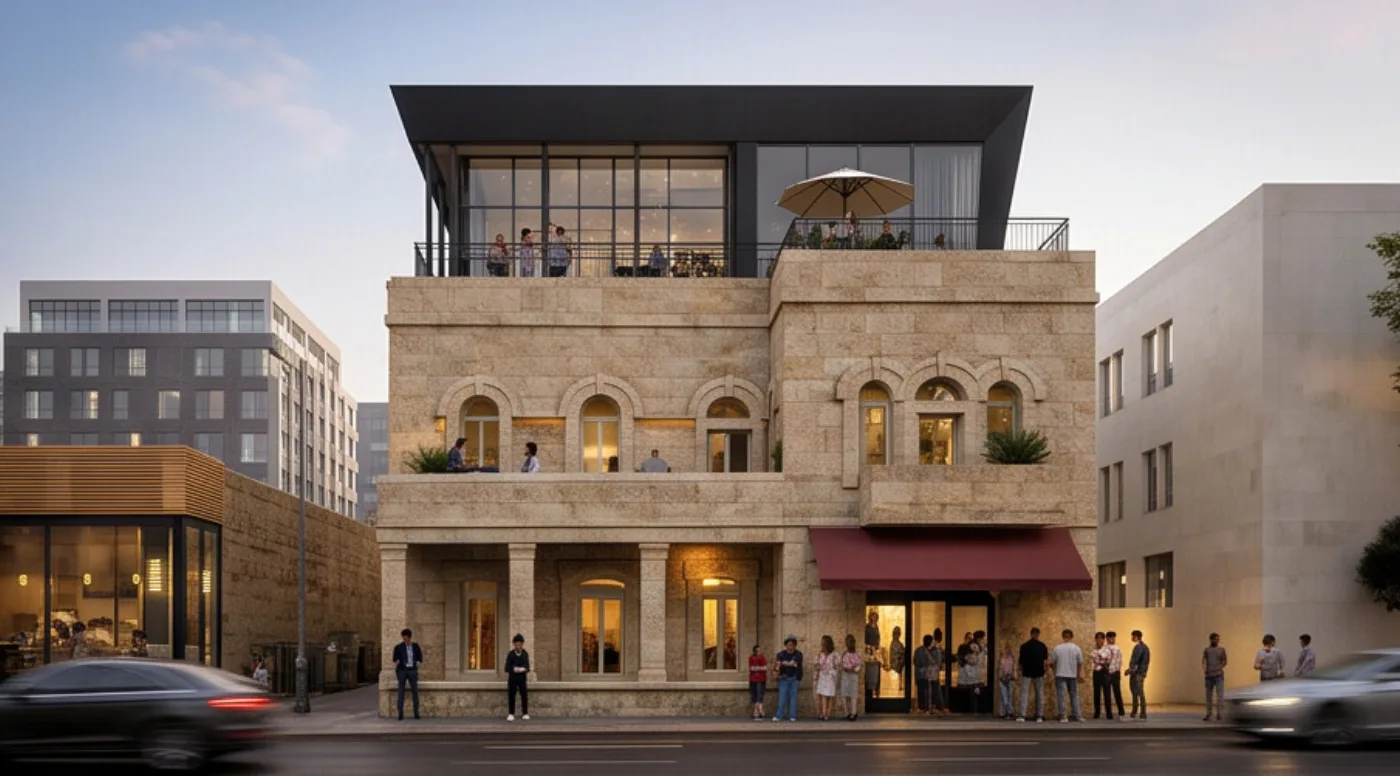
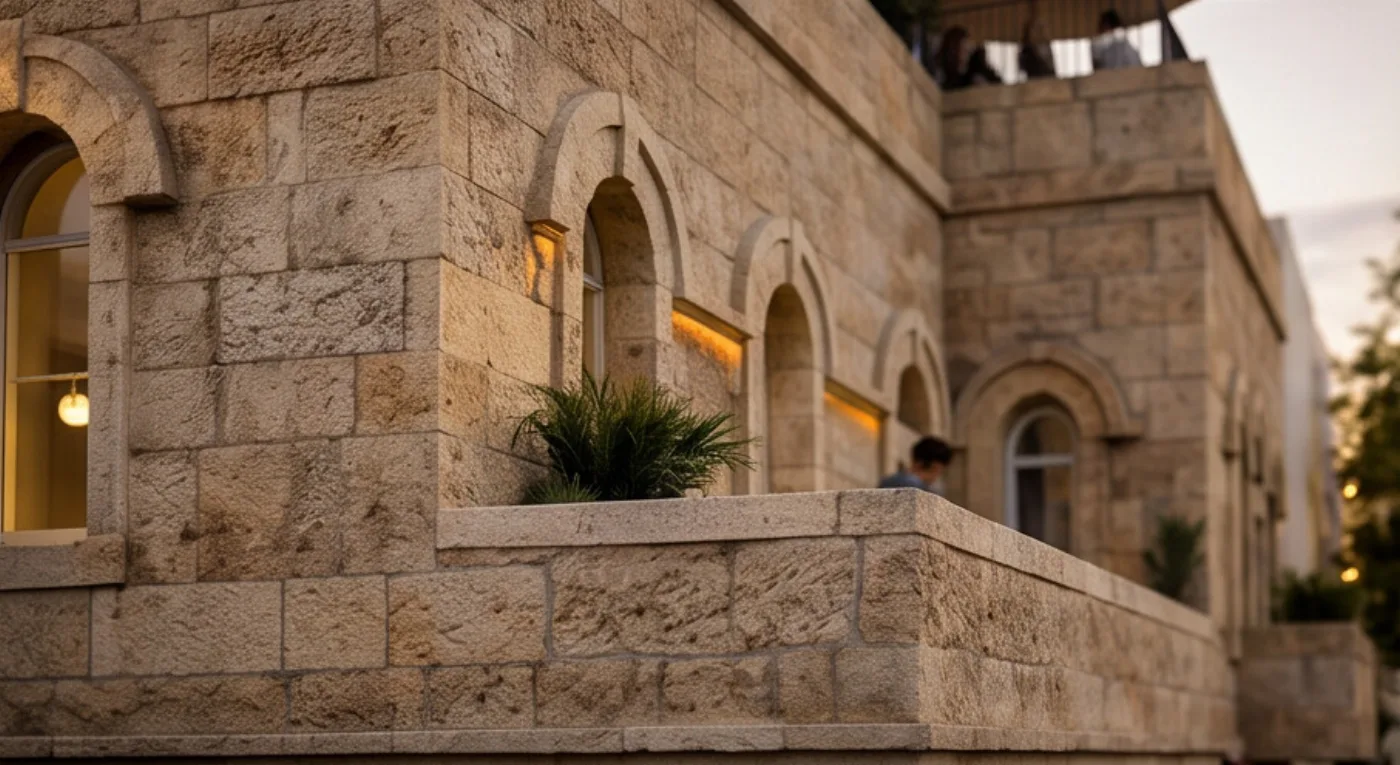
Emek Refaim 52 is a unique residential project in the heart of Jerusalem, embodying harmony between traditional architecture and modern design solutions. A three-story building carefully preserves the classic appearance of Jerusalem stone architecture while presenting contemporary architectural elements that emphasize elegance and modern living comfort.
The third floor and recently added rear wing were designed in modern materials and panoramic glazing, filling the space with natural light and a sense of openness. This combination highlights the historical significance of the site while breathing new life into the building and ensuring a high level of comfort for future residents.
Emek Refaim 52 blends seamlessly into the urban landscape, continuing Jerusalem's architectural heritage while integrating modern lines, textures, and technologies. It is a place where past and future meet in one space, creating an atmosphere of warmth, style, and authentic Jerusalem aesthetics.
Emek Refaim 52, Jerusalem
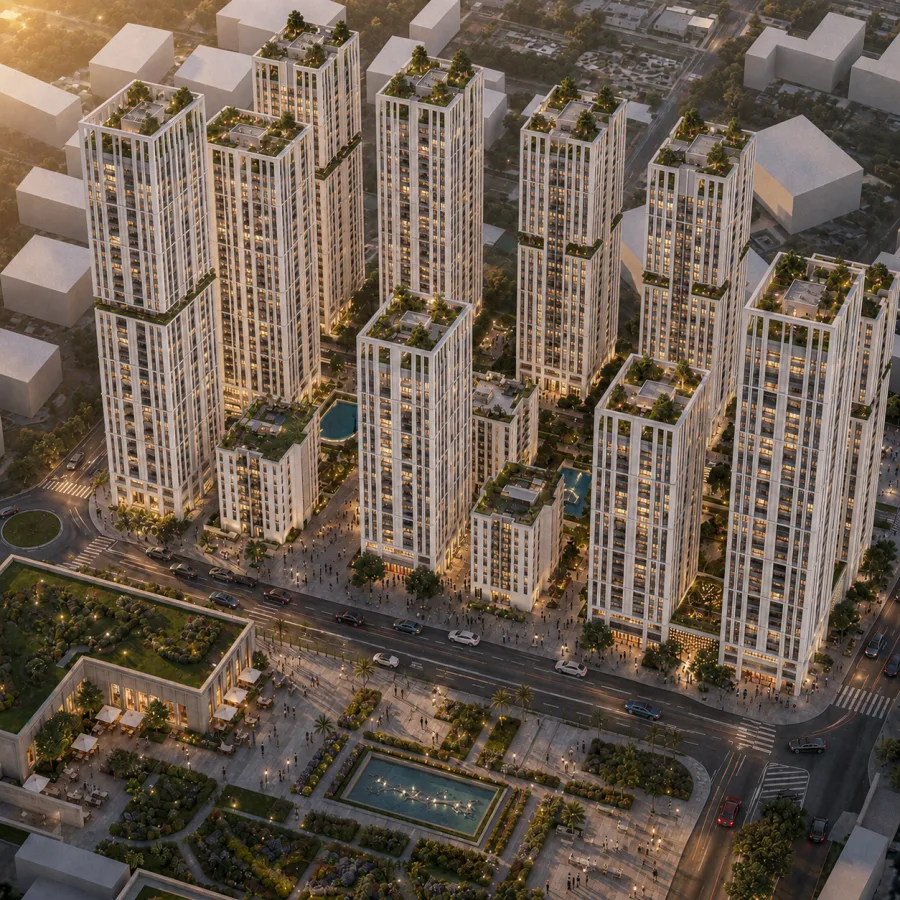
The Histadrut–Hovevei Zion project in Ashkelon is a large-scale residential complex embodying modern urban development where comfort, nature, and architecture meet in a harmonious living environment. The project includes buildings ranging from 10 to 30 stories, creating a dynamic and varied urban skyline.
Each concept in the project was tailored to the specific conditions of the area, the number of plots, and the needs of future residents. The central idea was to create a place where people enjoy all the benefits of contemporary life—convenient shopping areas, green parks, and easy access to everything essential for a modern lifestyle.
Histadrut–Hovevei Zion is more than a residential complex; it is a new living environment where people experience comfort, freedom, and connection to nature—a place where urban vibrancy meets calm and warmth, creating ideal conditions for everyday life.
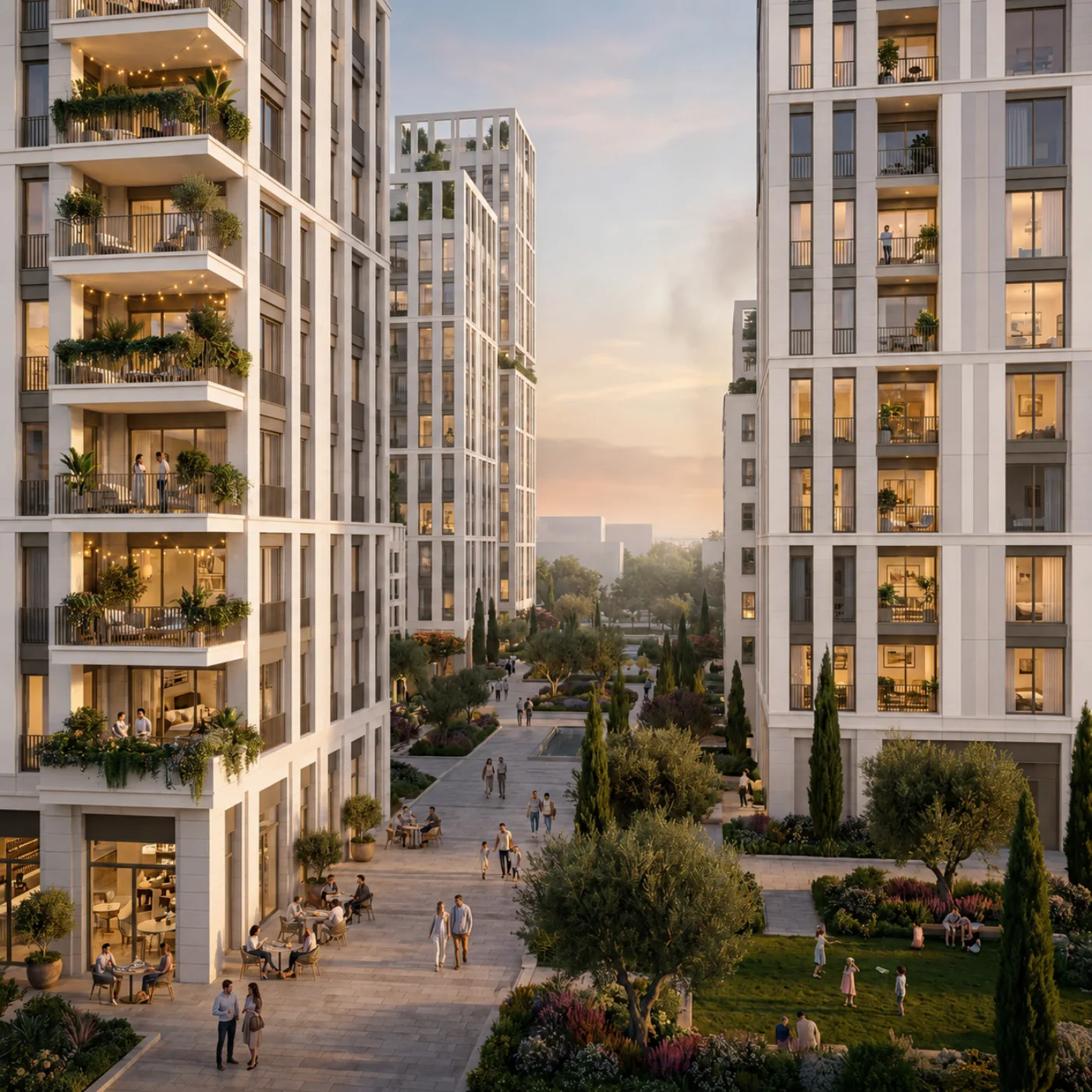
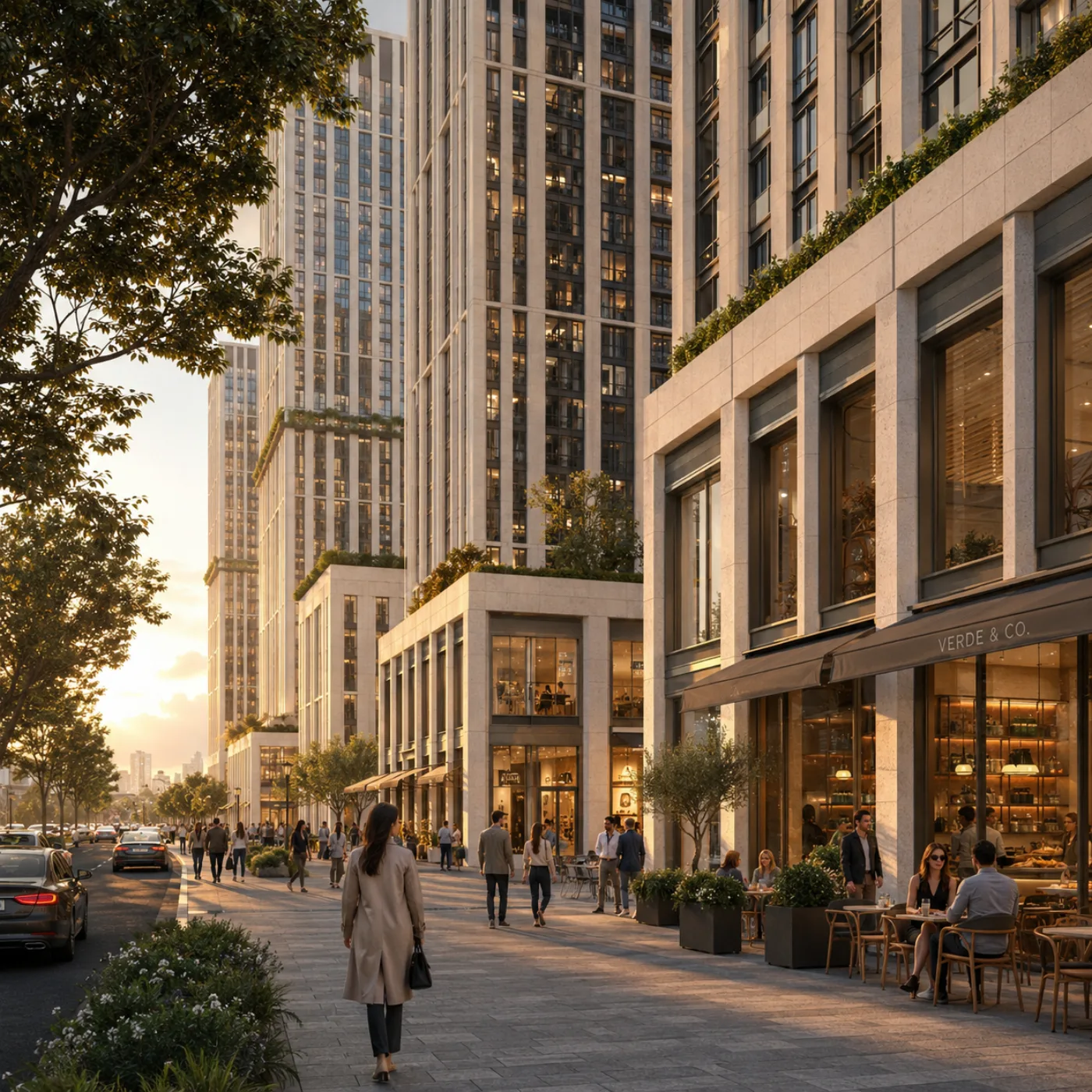
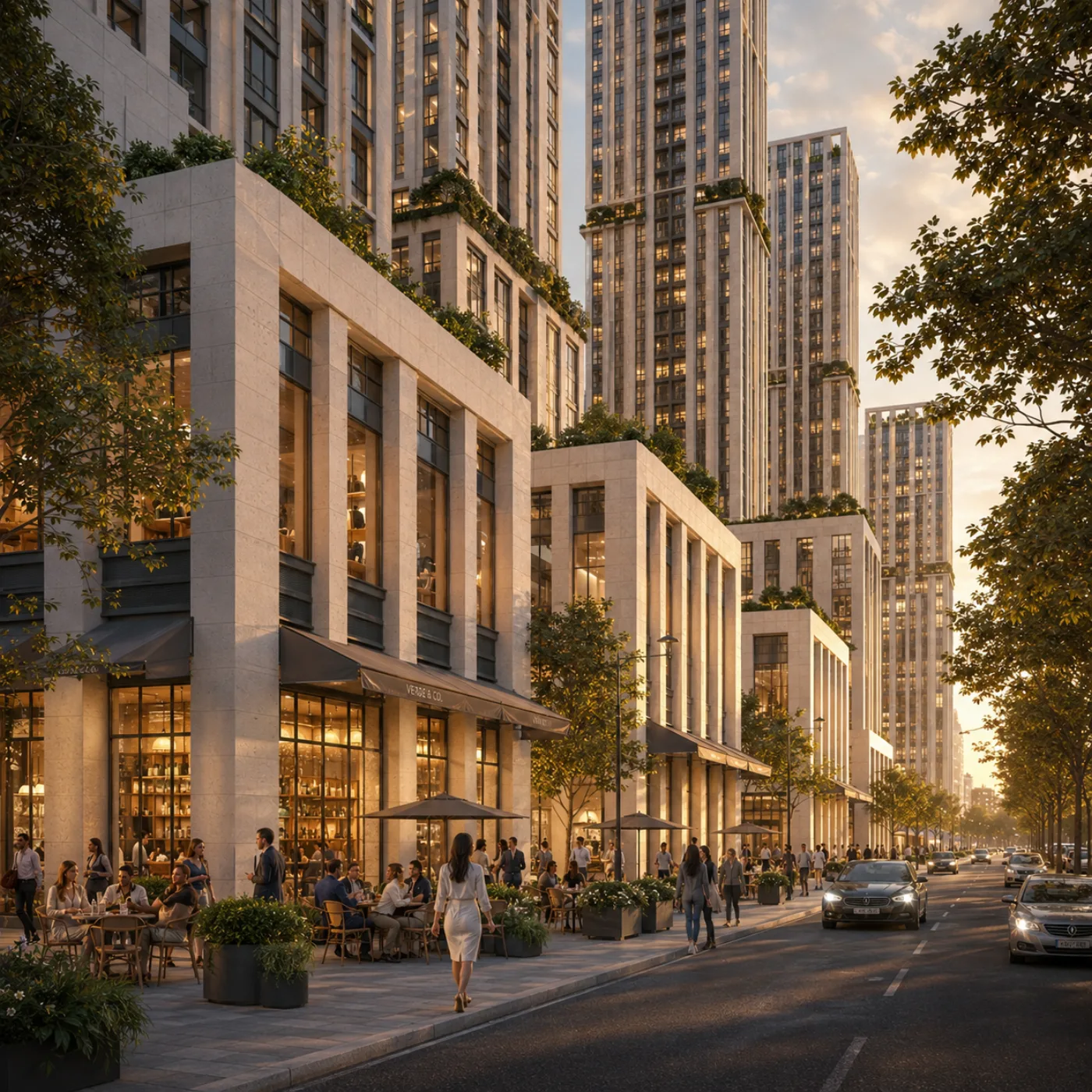
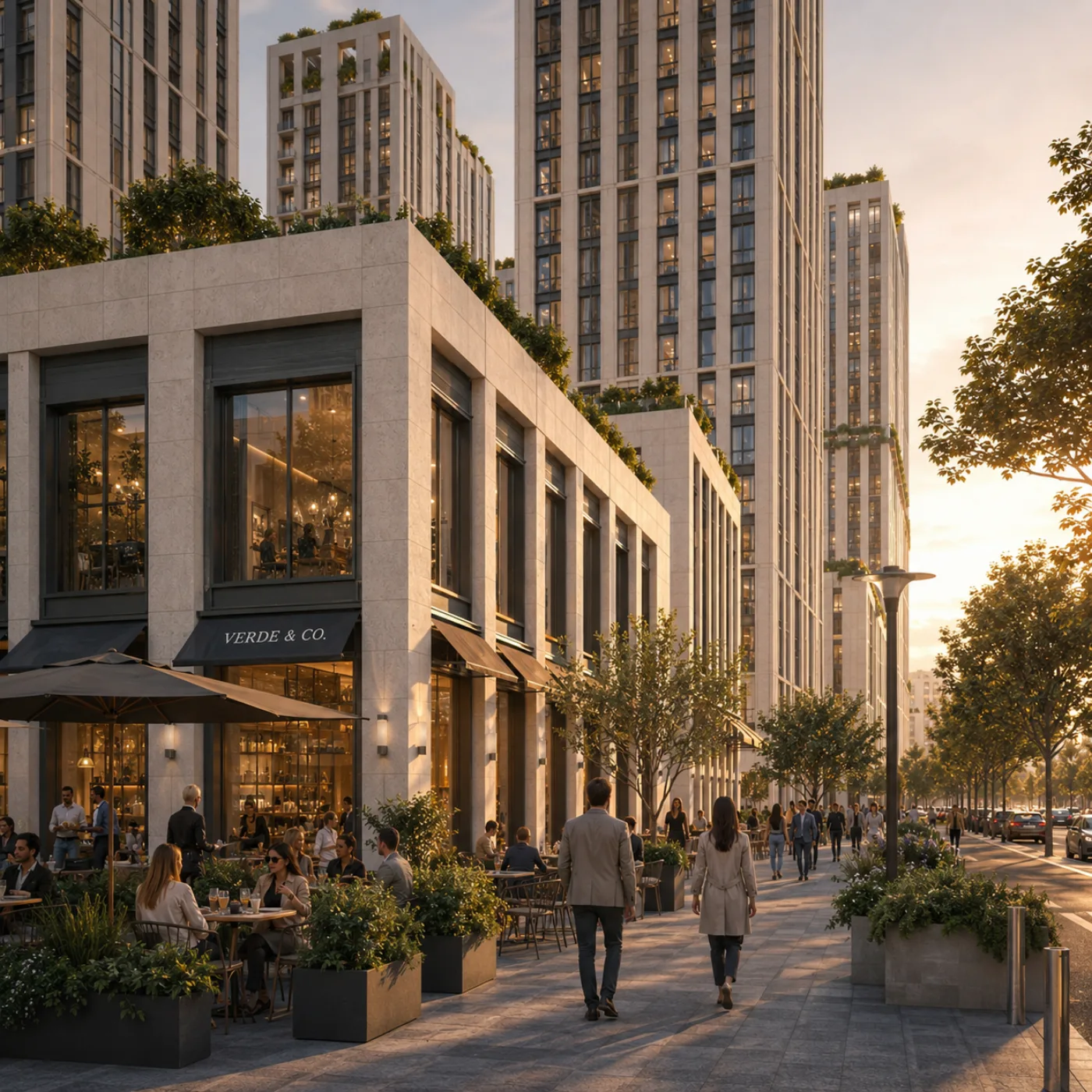
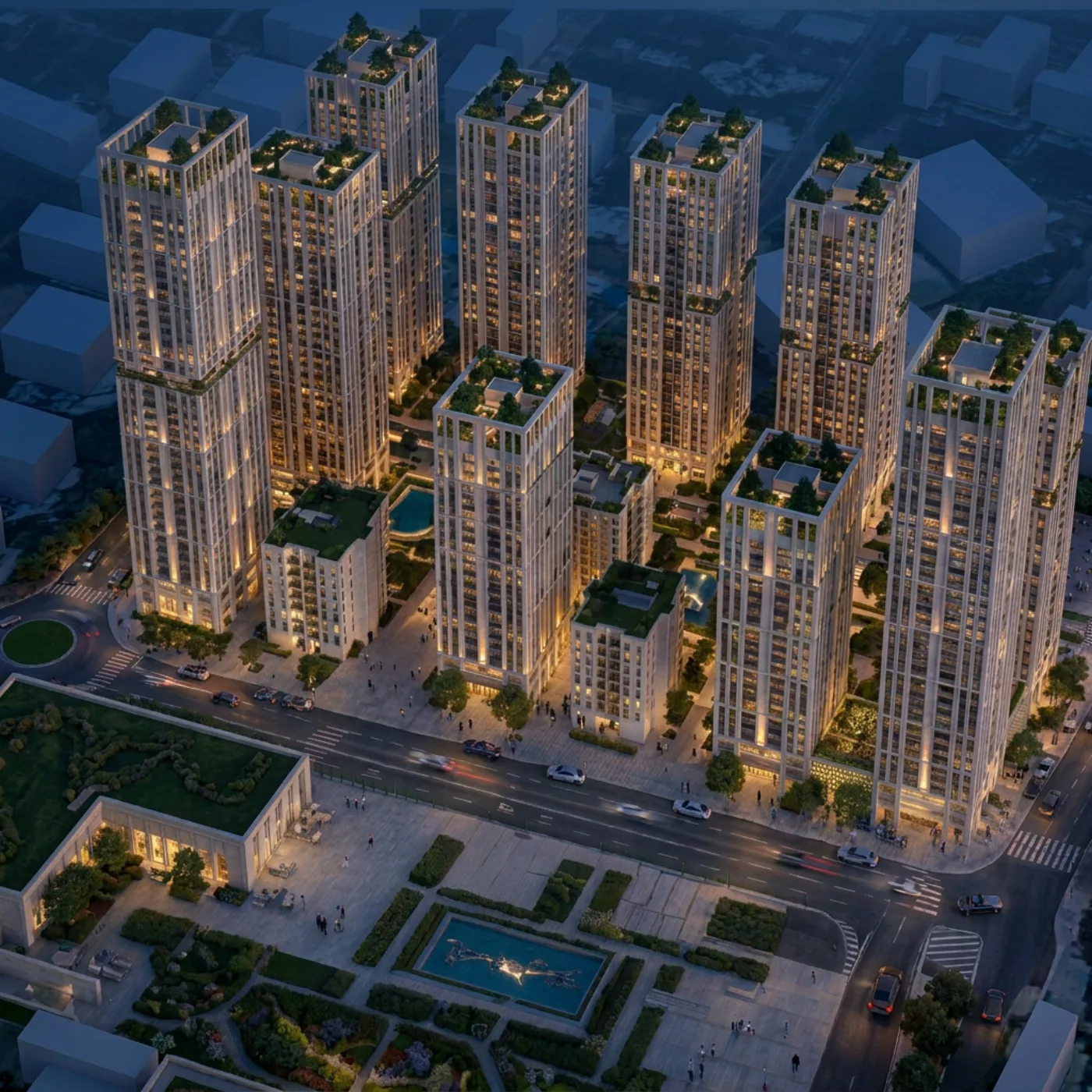
Histadrut–Hovevei Zion, Ashkelon
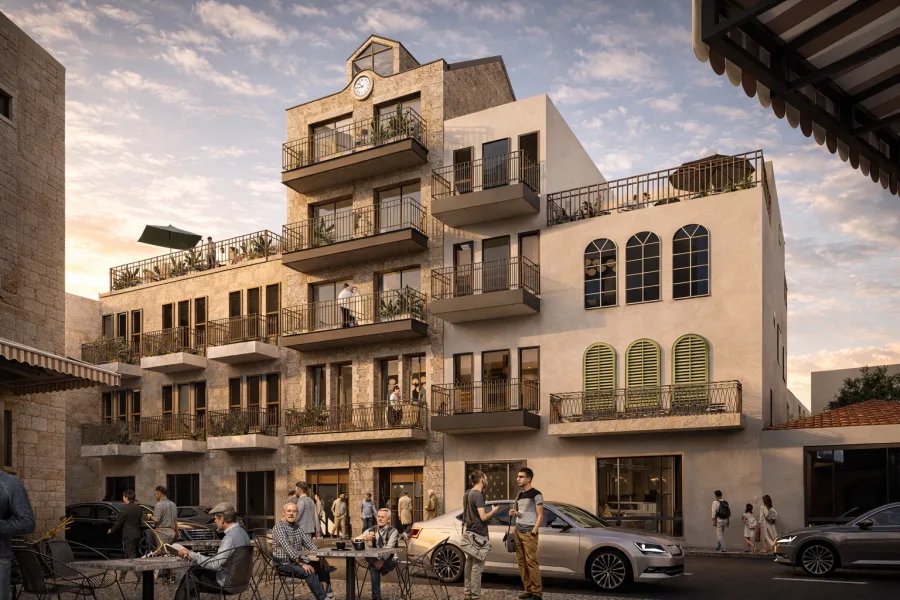
Agripas 103 is a striking example of the gentle renewal of Jerusalem's historic architecture, where tradition meets thoughtful contemporary solutions. As part of the project, a four-story extension was seamlessly integrated, continuing the original building lines while preserving its atmosphere and unique architectural details.
The inner courtyard became a dynamic space with modern balconies, offering privacy and harmony with the surroundings. New elevators and stair cores ensure convenient, intuitive access to every floor and improve residents' comfort.
At the same time, great attention was paid to preserving the original elements of the historic structure and highlighting the character and charm of Old Jerusalem. Agripas 103 is a project where history flows smoothly into modernity, giving residents an exceptional blend of authenticity, aesthetics, and urban comfort.
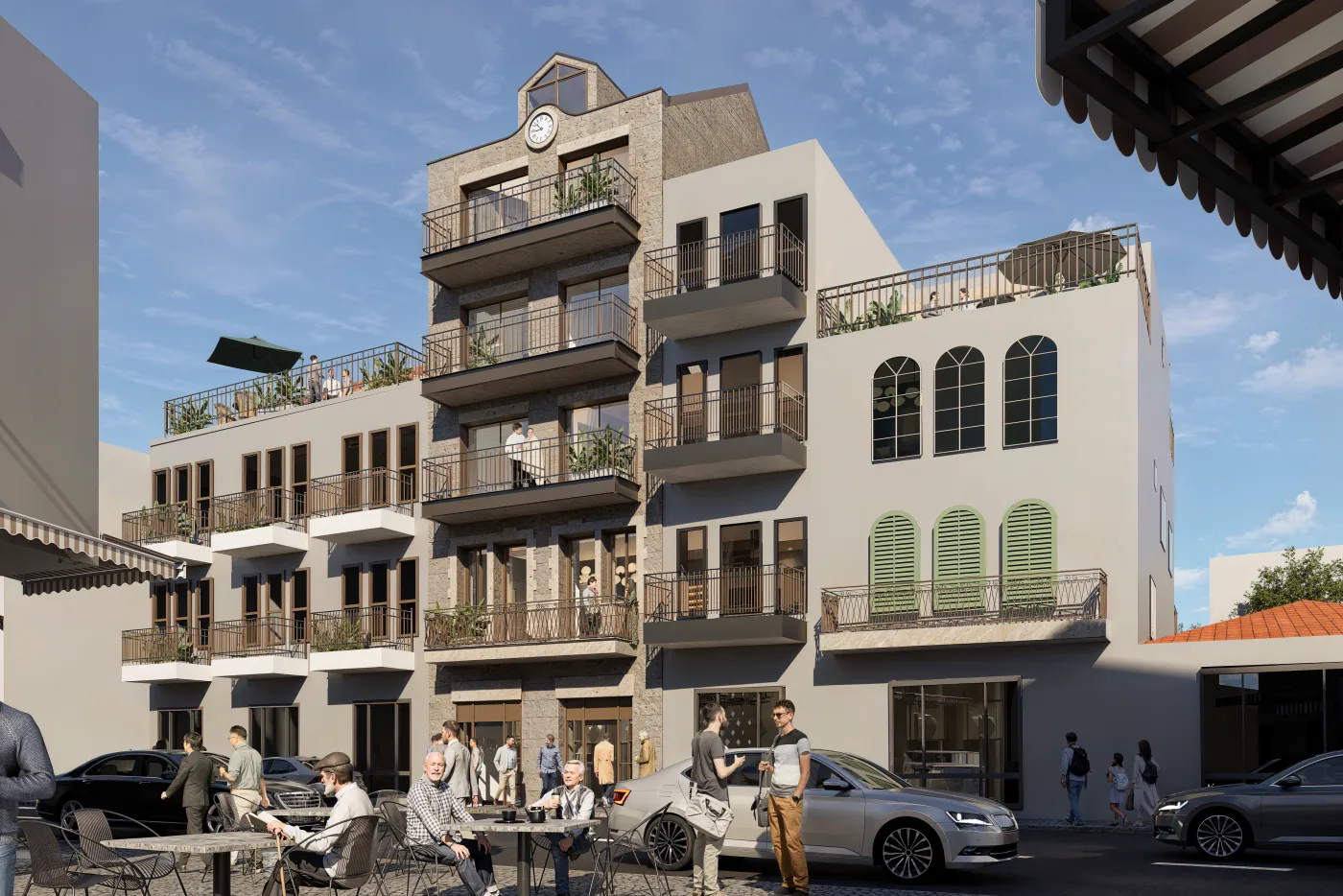
Agripas 103, Jerusalem
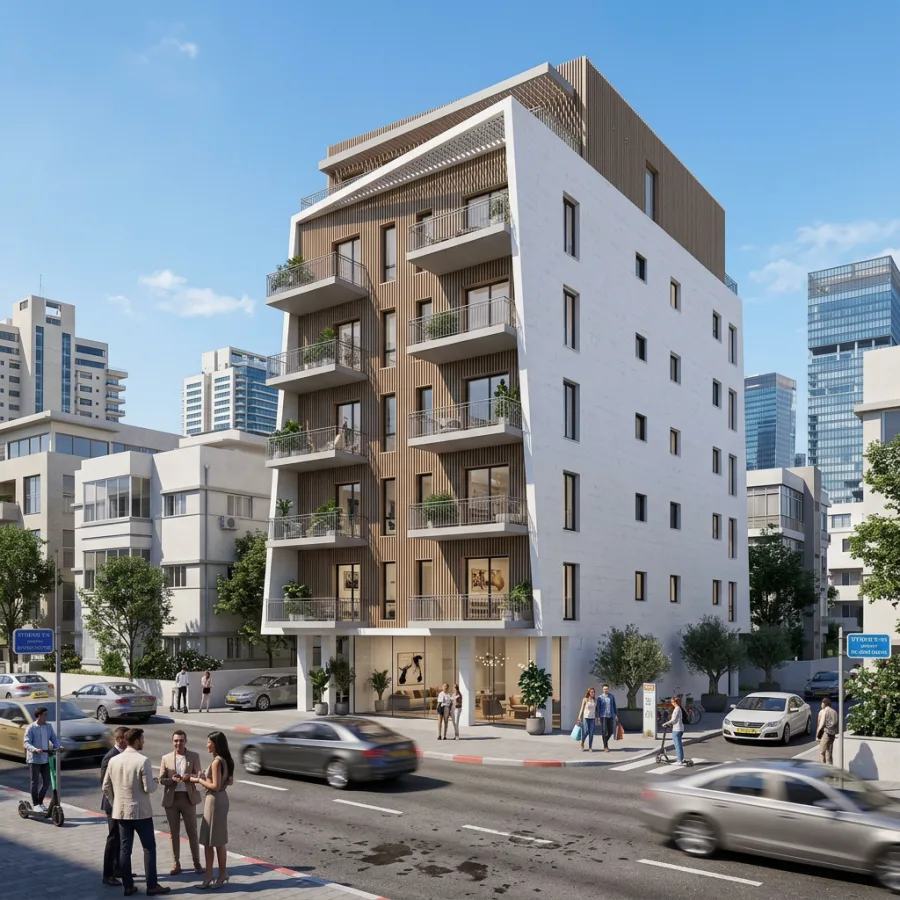
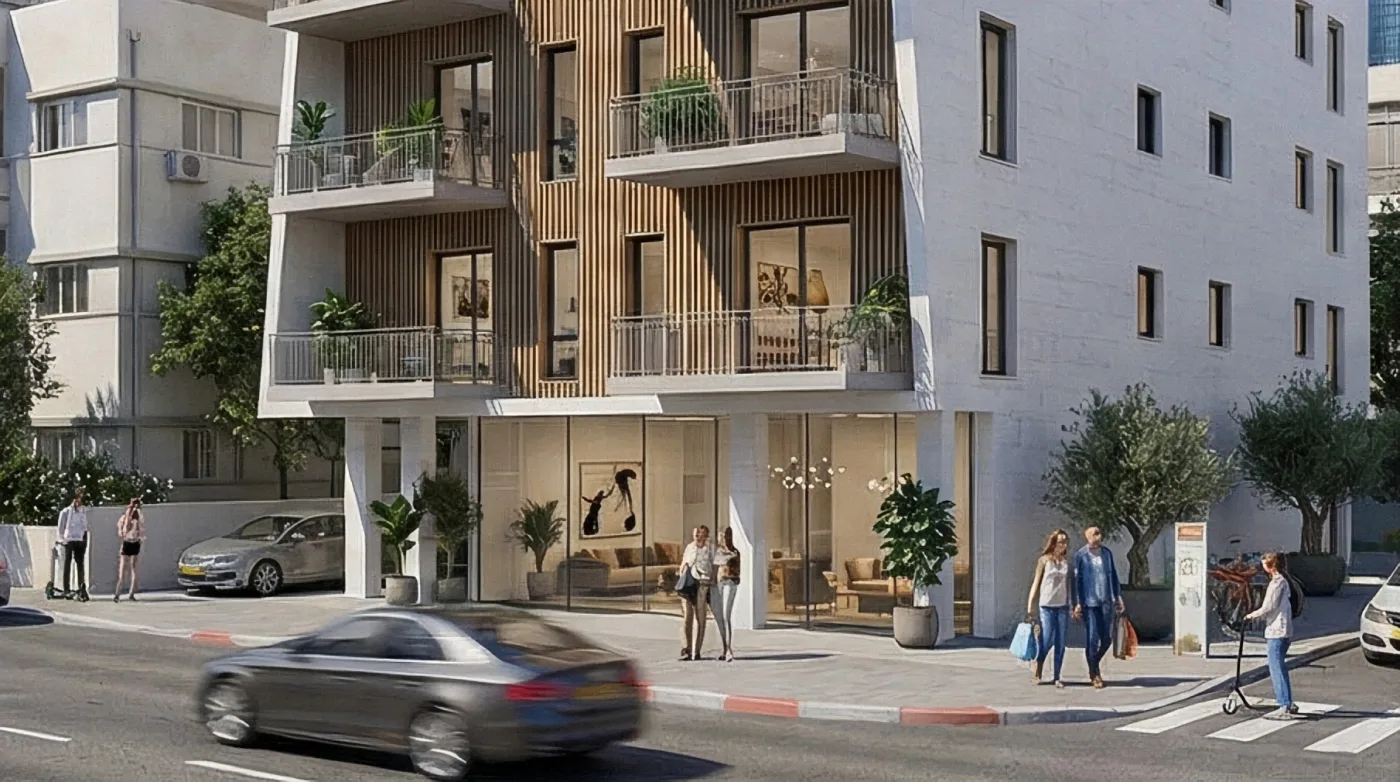
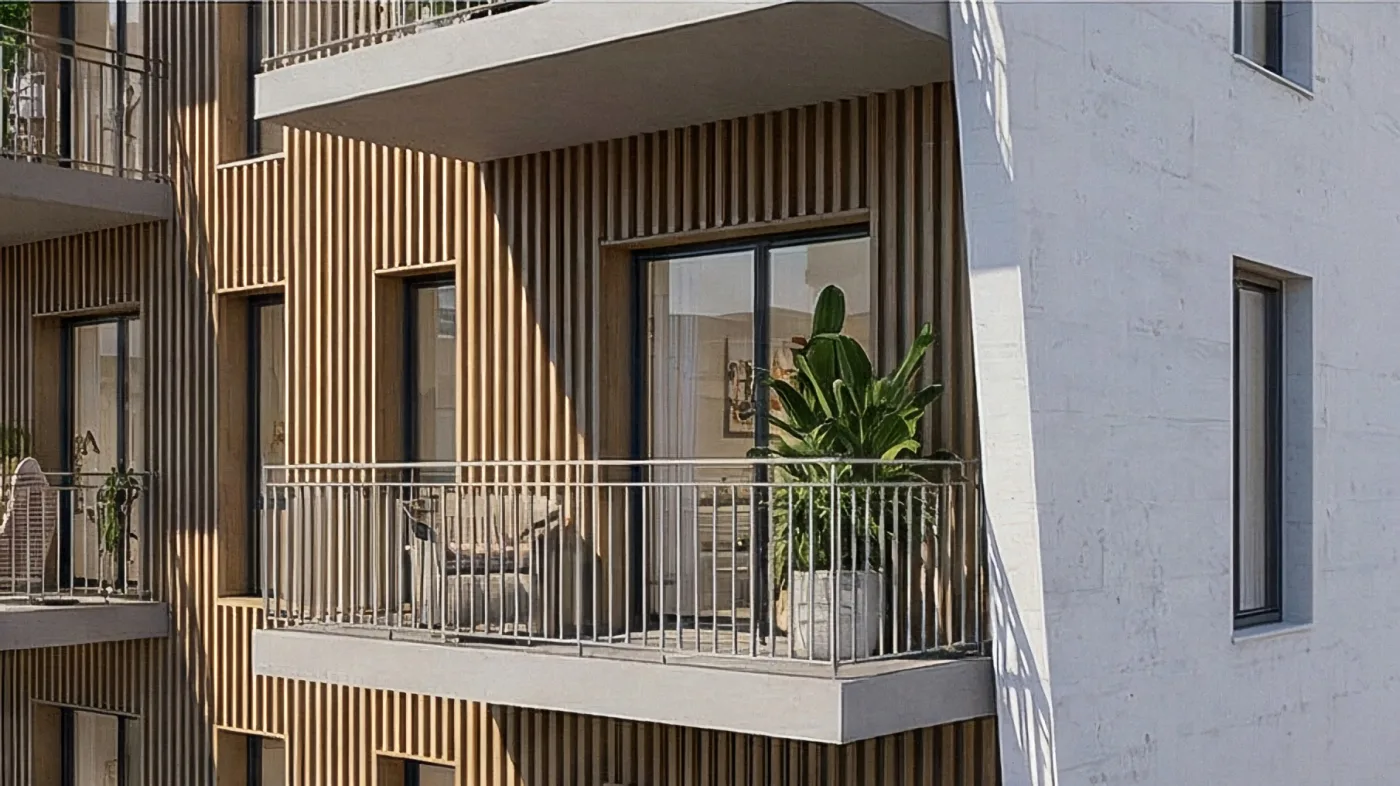
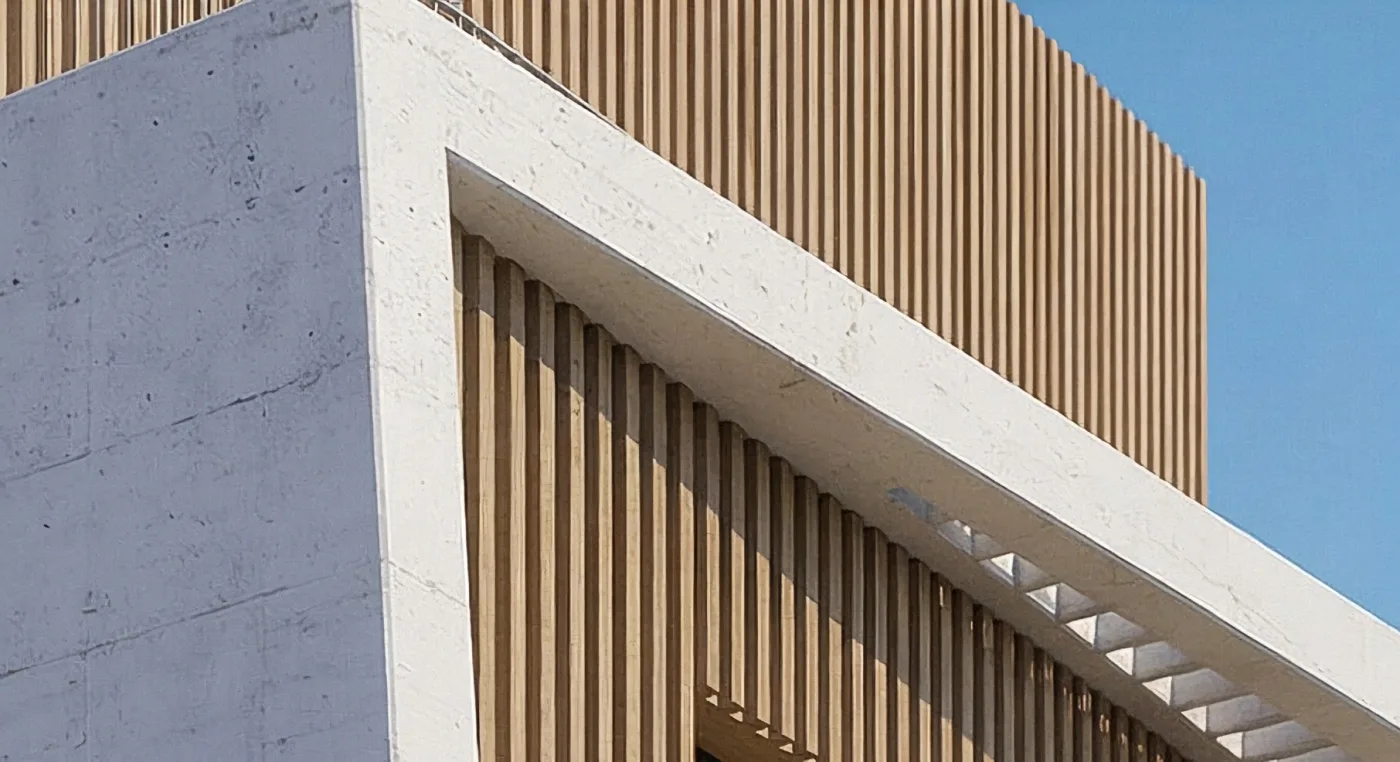
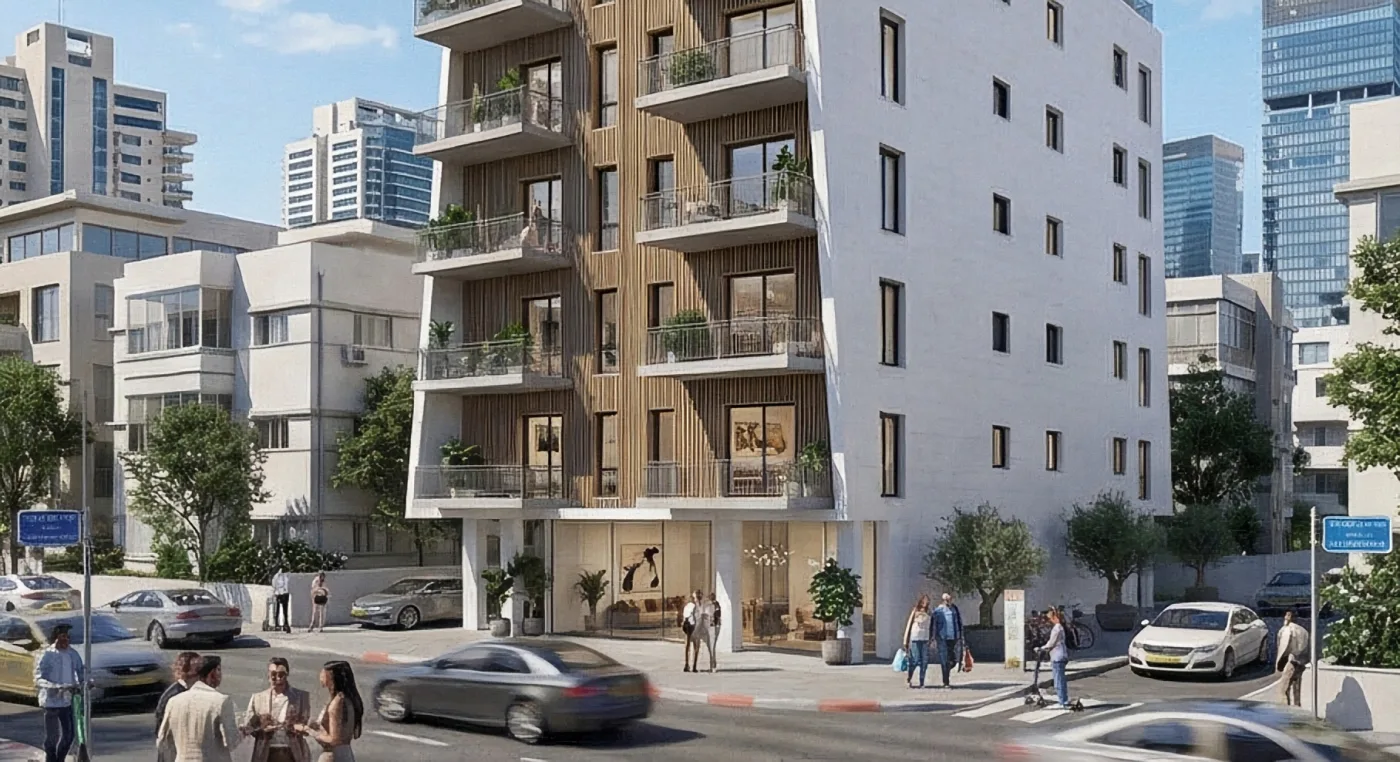
At 56 Jabotinsky in Tel Aviv, this new residential building acts as a precise urban punctuation mark—composed, yet never aloof; contemporary, yet clearly tuned to the city's climate and street culture. The massing is defined by a dialogue between two "skins": a smooth, light-toned side façade anchors the silhouette with a calm, monolithic presence, while the main elevation opens up through warm vertical fins that choreograph sunlight into shifting bands of shadow. The texture is more than ornament—it adds depth, privacy, and the sense of a breathable envelope, a crucial quality in a Mediterranean metropolis.
Balconies read as a sequence of stacked terraces, turning the façade into an inhabited edge between home and street. Slim railings and planted moments transform the vertical surface into a cascade of small gardens, where architecture becomes a stage for everyday life. The upper level is articulated as a more private crown: the façade tightens, horizontal lines emerge, and the composition resolves into a confident final gesture—an urban building that knows exactly where it ends.
At ground level, transparency does the social work. Glazing and a clear entry sequence lend the street a sense of openness, while setbacks and greenery soften the building's contact with a busy avenue. In the end, Jabotinsky 56 is a study in balance: density with air, strict geometry with warmth, architectural discipline with the lived-in spontaneity that will inevitably appear on balconies, behind the fins, and in the evening glow of the lobby.
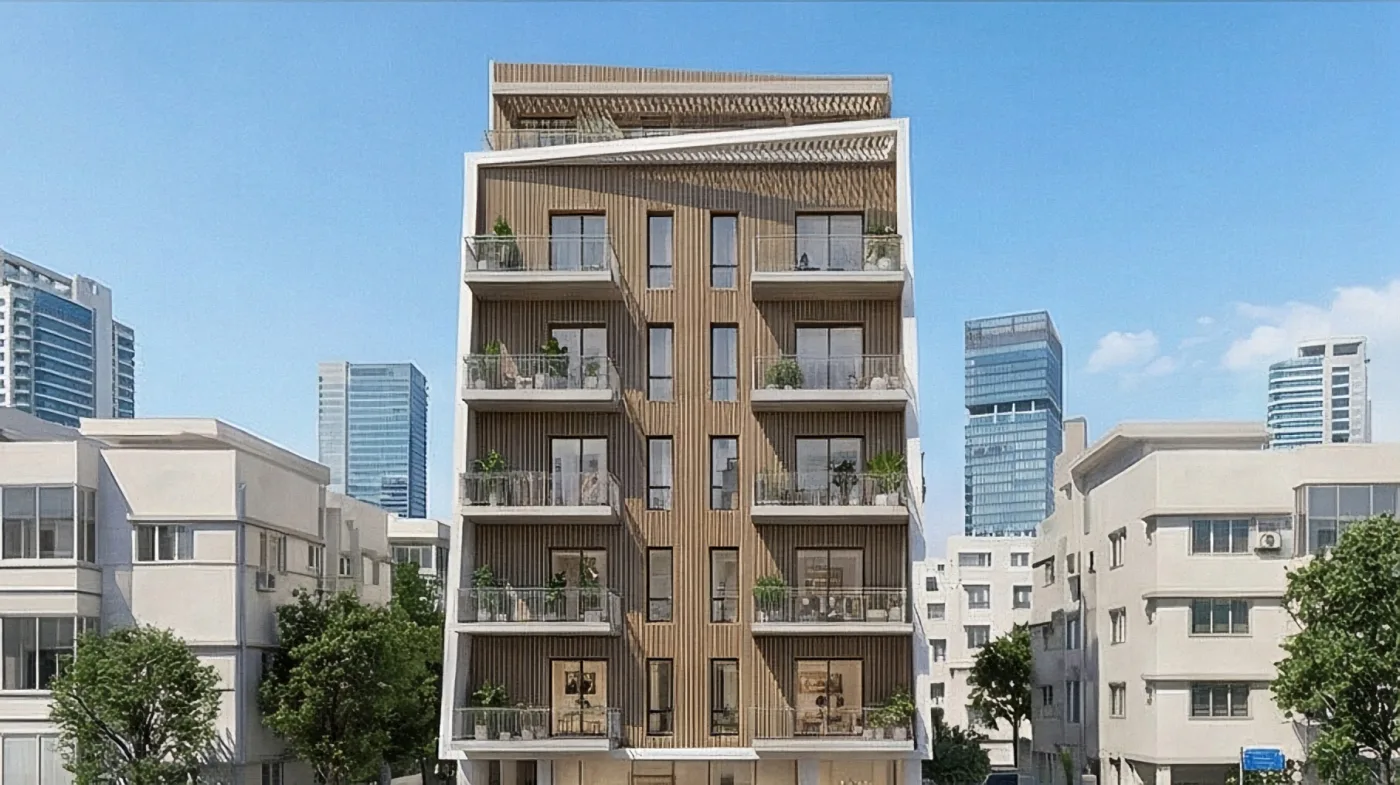
Jabotinsky 56, Tel Aviv
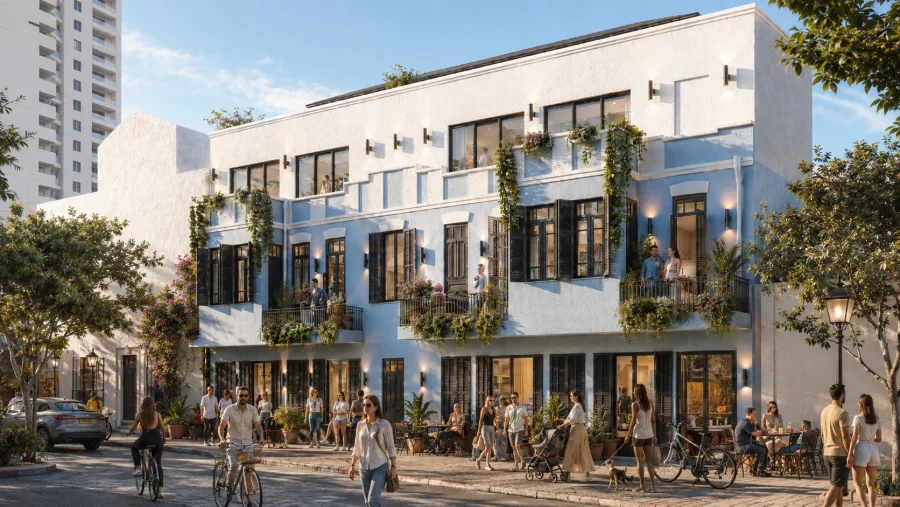
The Ein Yaakov Street project in Tel Aviv by SHIKA-NISHA architecture and urban design reimagines local classicism through a contemporary lens. A bright façade, clearly articulated openings, and dark shutters create a strong graphic rhythm, while deep balconies and layered greenery turn the building into a living extension of the street. At ground level, transparency and warm lighting support an active urban edge—inviting movement, pause, and social encounter. The result is a precise, respectful design where Mediterranean lightness meets calculated functionality and careful finishing.
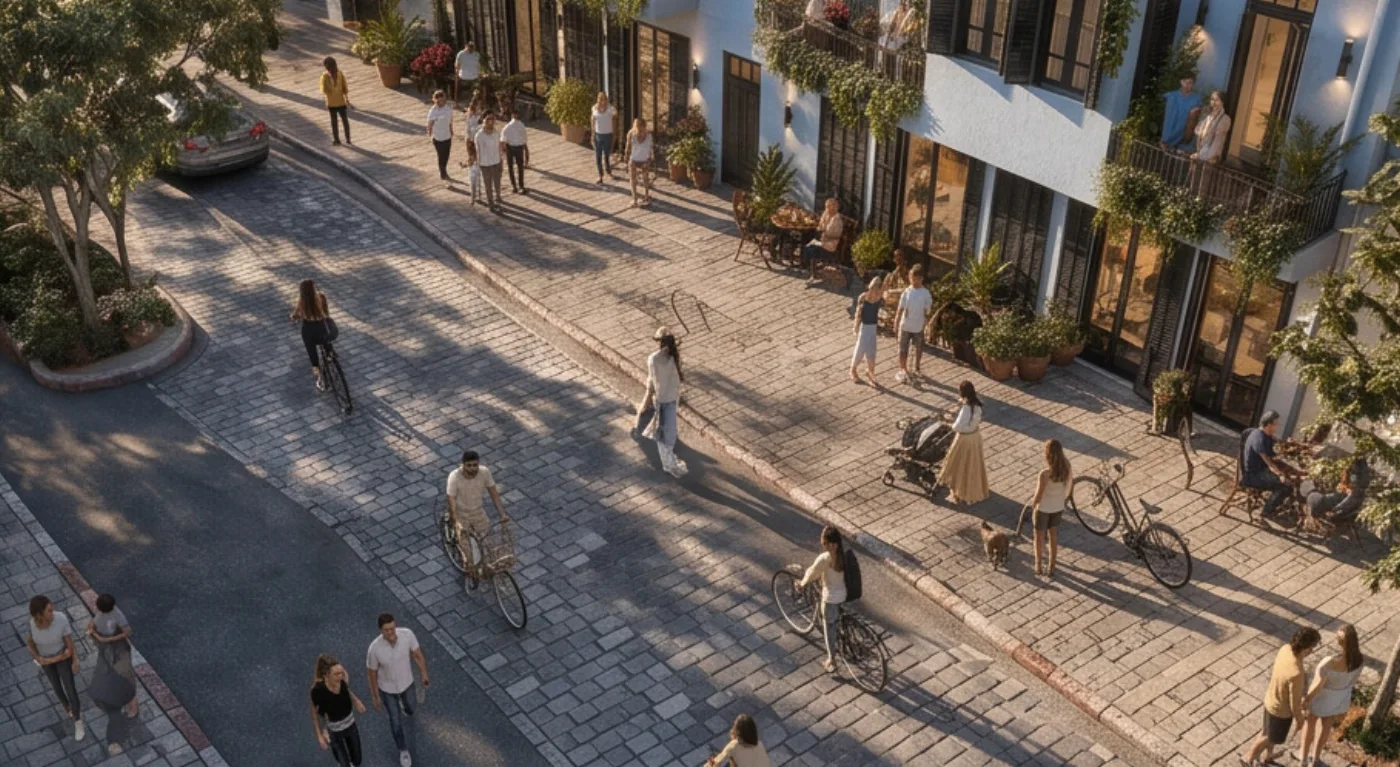
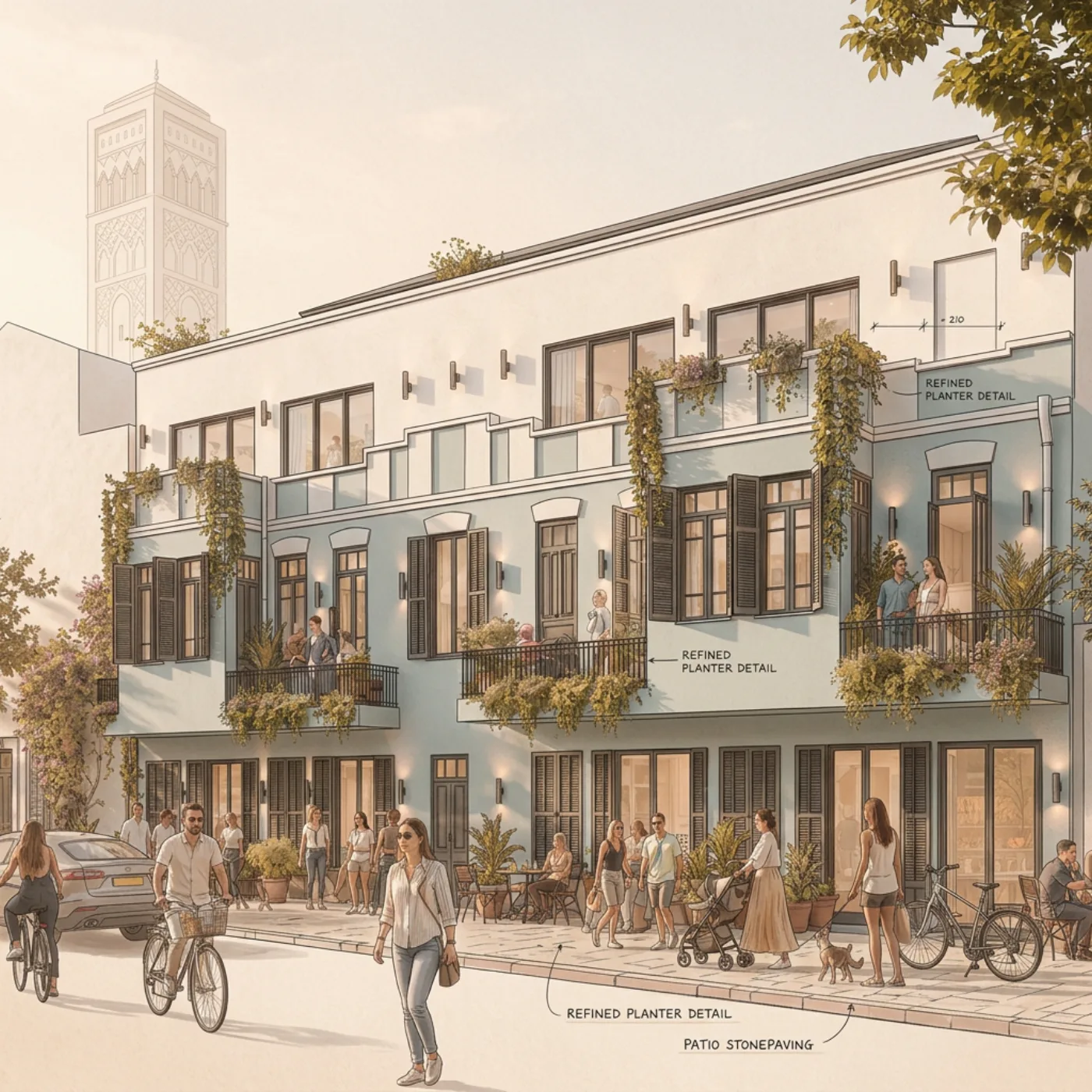
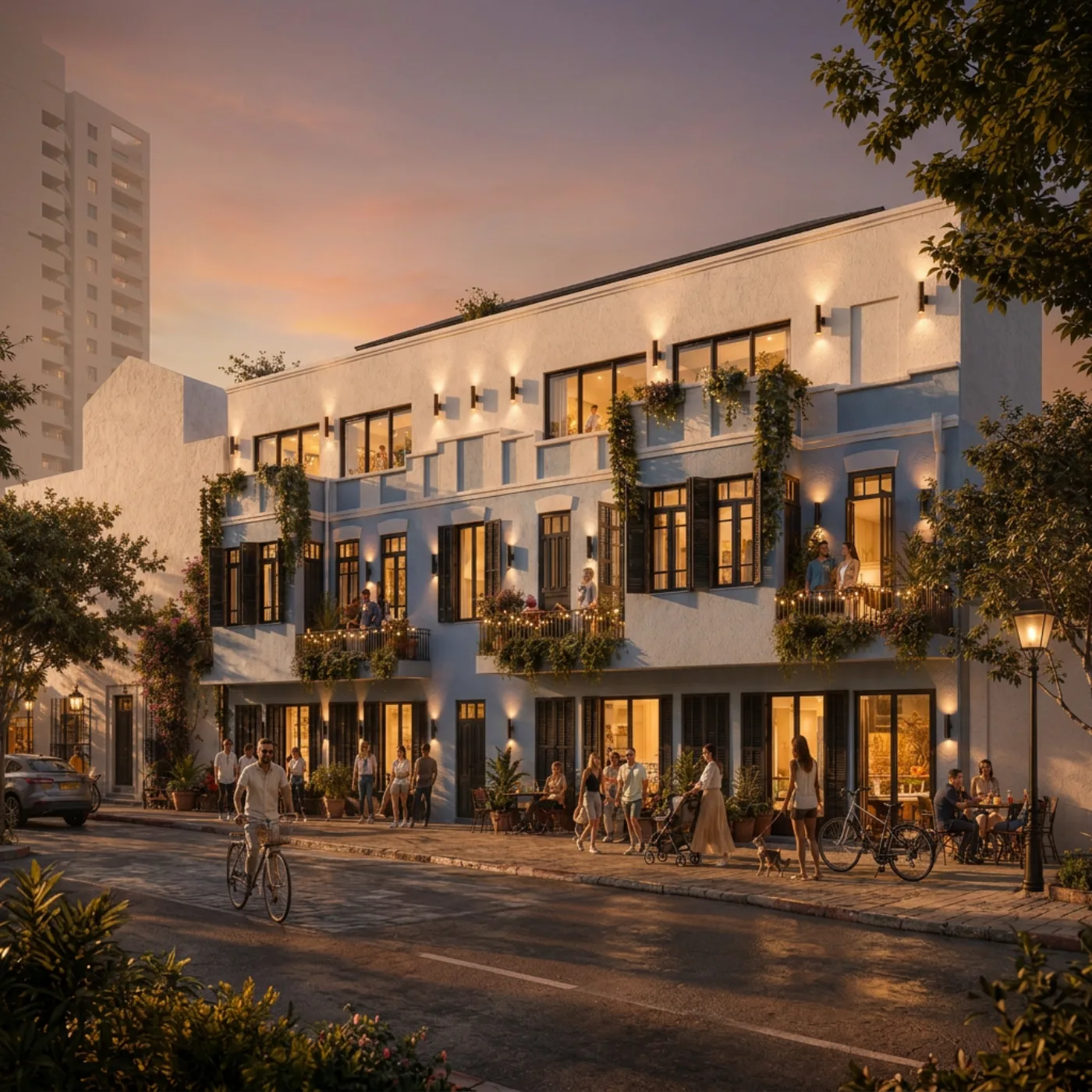
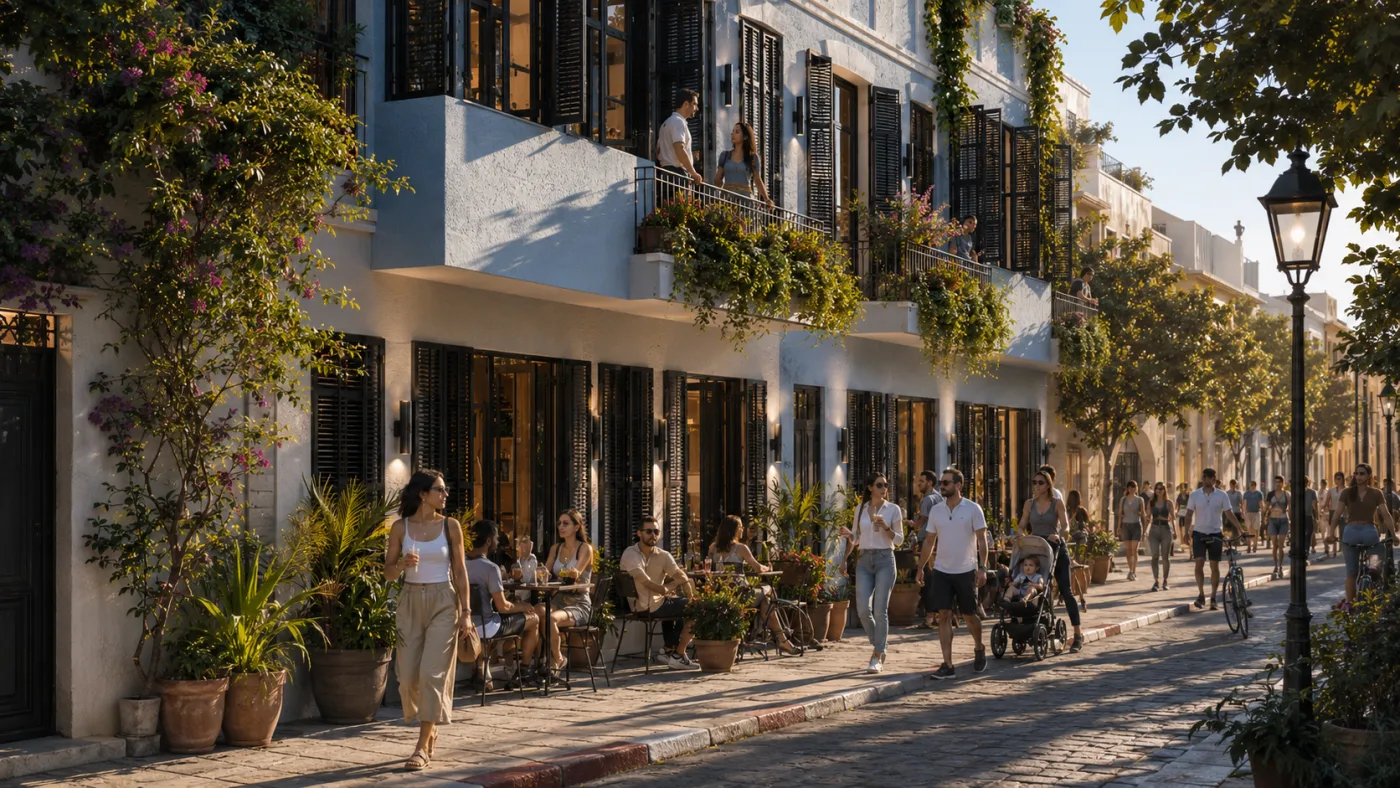
Ein Yaakov 32, Tel Aviv